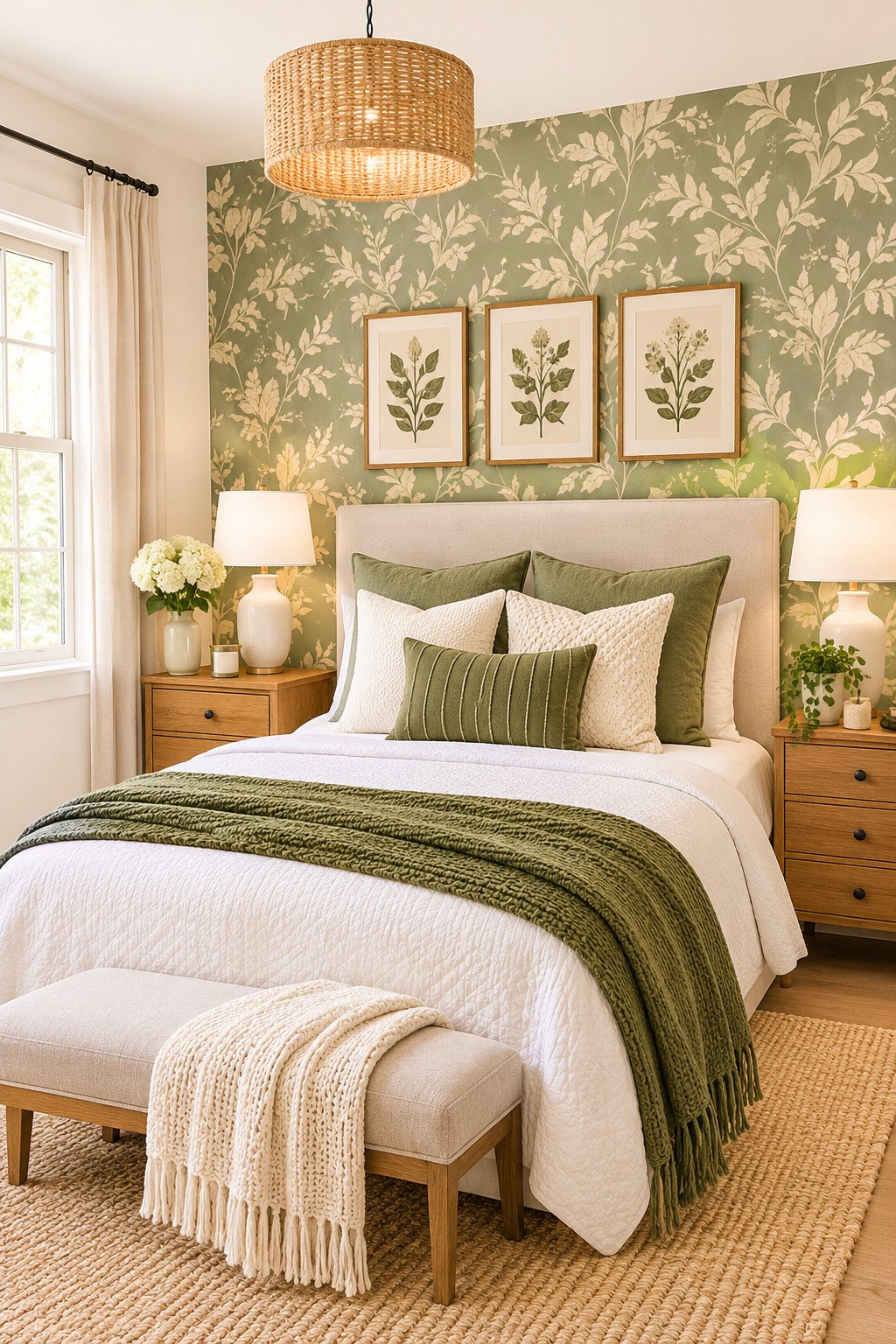
Lamps, sconces, bulbs, and a few small habits that turn a flat, glary room into somewhere you want to stay all evening.
Living room lighting ideas matter more than most decor choices, because light changes how everything else looks. A well-chosen sofa and a beautiful rug can still feel cold under one bright ceiling light. The same room, lit with a few lamps at different heights, can feel like a different home.
These eleven living room lighting ideas focus on warmth. They cover where to put light, what kind of bulb to use, and how to control it, so the room feels cozy at night and still works during the day. Many of them cost very little, and several work well for renters.
Table of Contents
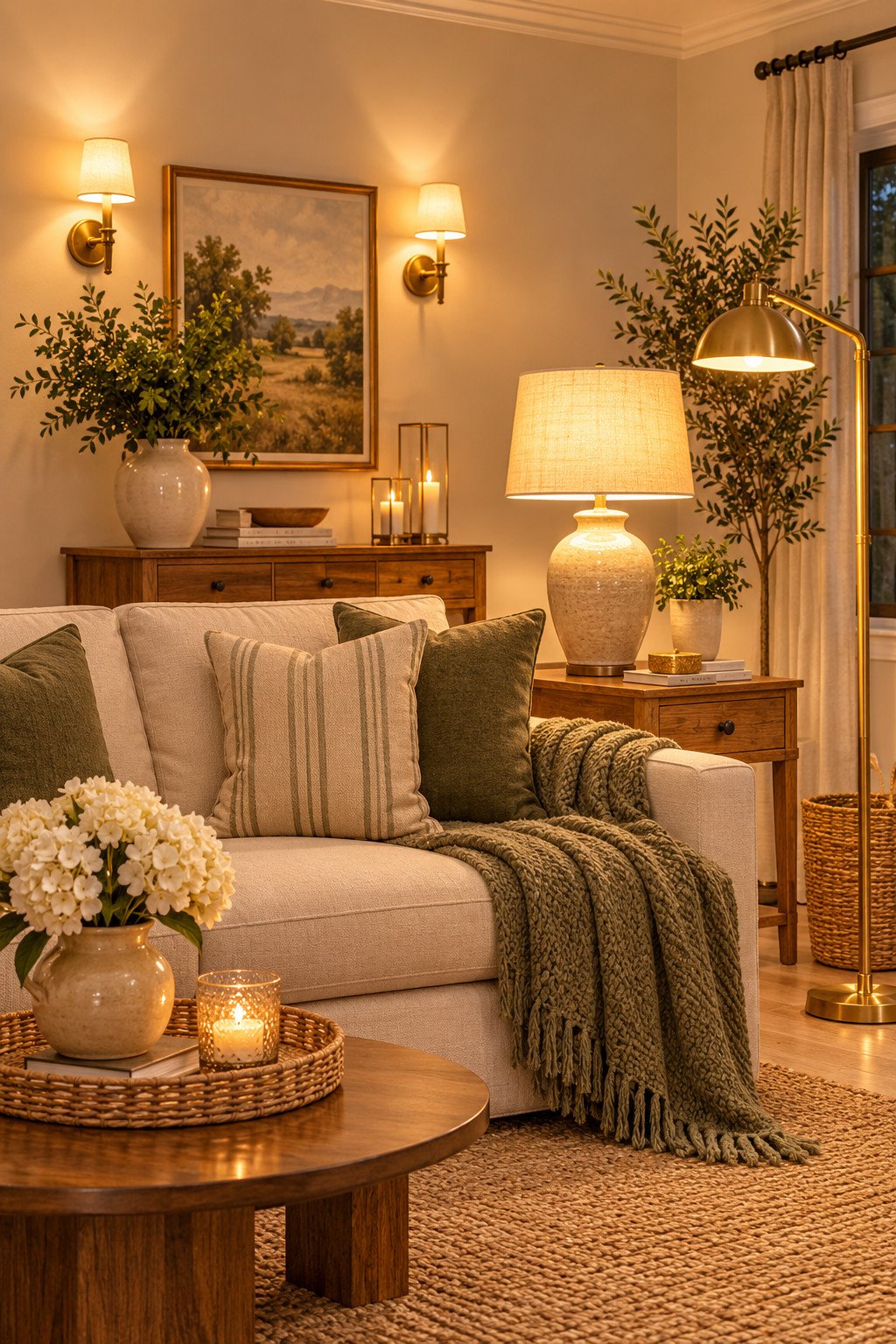
1. Build Three Layers of Light: Living Room Lighting Ideas That Start With a Plan

Designers talk about three layers. Ambient light fills the room and comes from ceiling fixtures or a few lamps. Task light helps you read or work, such as a lamp beside a chair. Accent light highlights something you like, such as art, a plant, or a bookshelf.
A living room needs all three, because each one does a different job. If you only have the ceiling light, add one task lamp and one accent source and the room will change immediately. Aim for at least three or four light sources in a typical living room, spread around the space instead of clustered in one corner.
2. Choose Warm Bulbs

The bulb matters as much as the lamp. Light is measured in Kelvin, and living rooms feel best around 2700K, which is a soft warm white. Bulbs labeled daylight or cool white sit near 5000K and look blue and harsh in a room meant for relaxing.
Use the same color temperature across every bulb in the room, since mixed tones look patchy. Look for a high color rendering index, often listed as CRI 90 or above, so wood, fabric, and skin tones look natural. LEDs at this warmth use little power and run cool.
3. Put the Ceiling Light on a Dimmer
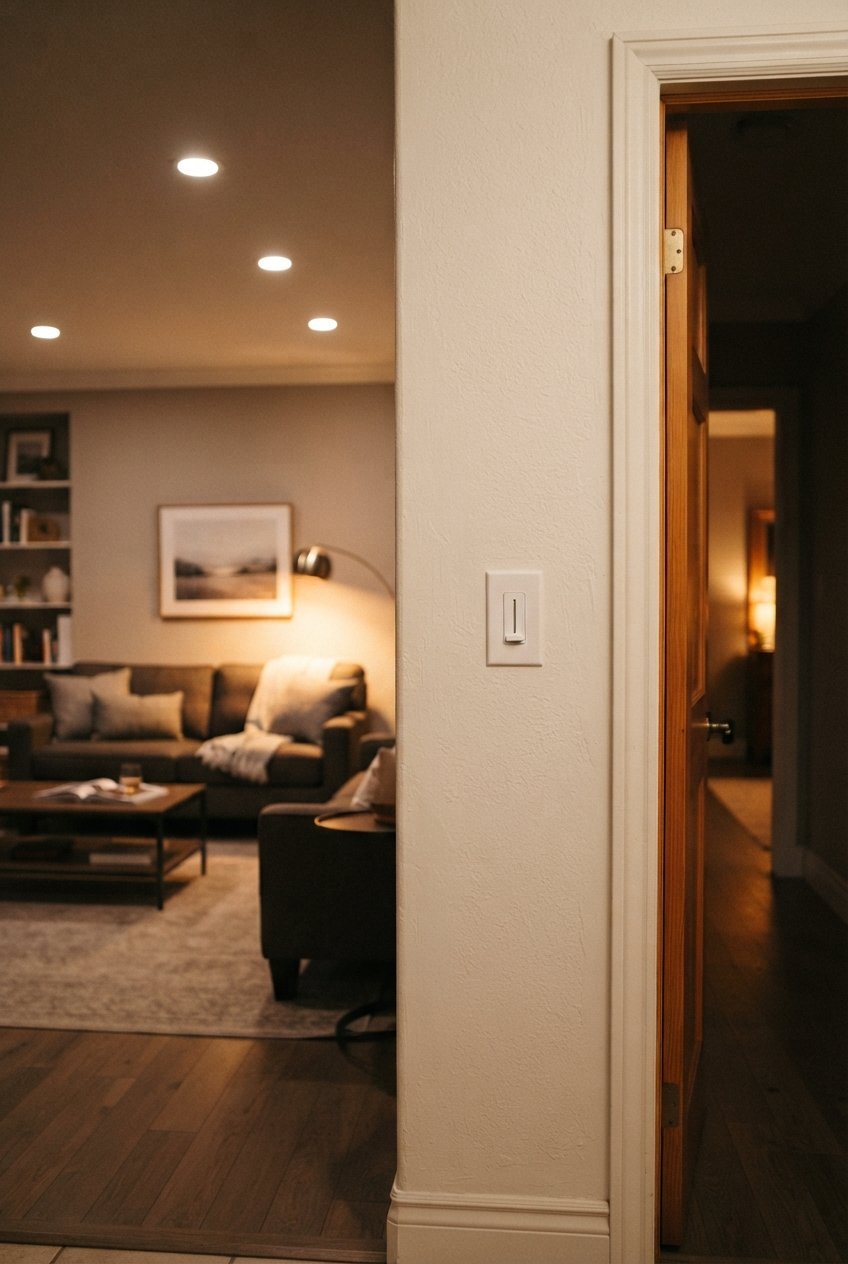
A dimmer is one of the cheapest ways to make a living room feel warmer. Turn the overhead light down to about a third and it stops acting like a spotlight and starts acting like a soft background glow. You get bright light for cleaning and low light for the evening, all from the same fixture.
Make sure the bulbs are labeled dimmable and the dimmer is made for LEDs, since mismatched parts can flicker or buzz. Replacing a switch is a simple job for many people, but turn off the power at the breaker first, or ask an electrician. If you cannot change the switch, a plug-in lamp dimmer is an easy alternative.
4. Use a Pair of Matching Table Lamps

Two matching lamps on a console or sideboard give a room balance and a classic, finished look. They also push light to the sides of the room, where it feels softer than a central fixture.
Choose lamps tall enough that the bottom of the shade sits near eye level when you are seated, which keeps the bulb out of your eyes. A drum shade in linen or cotton spreads a soft, even glow. For more ways to style a console, see our guide to modern living room decor ideas.
5. Add an Arc or Tall Floor Lamp
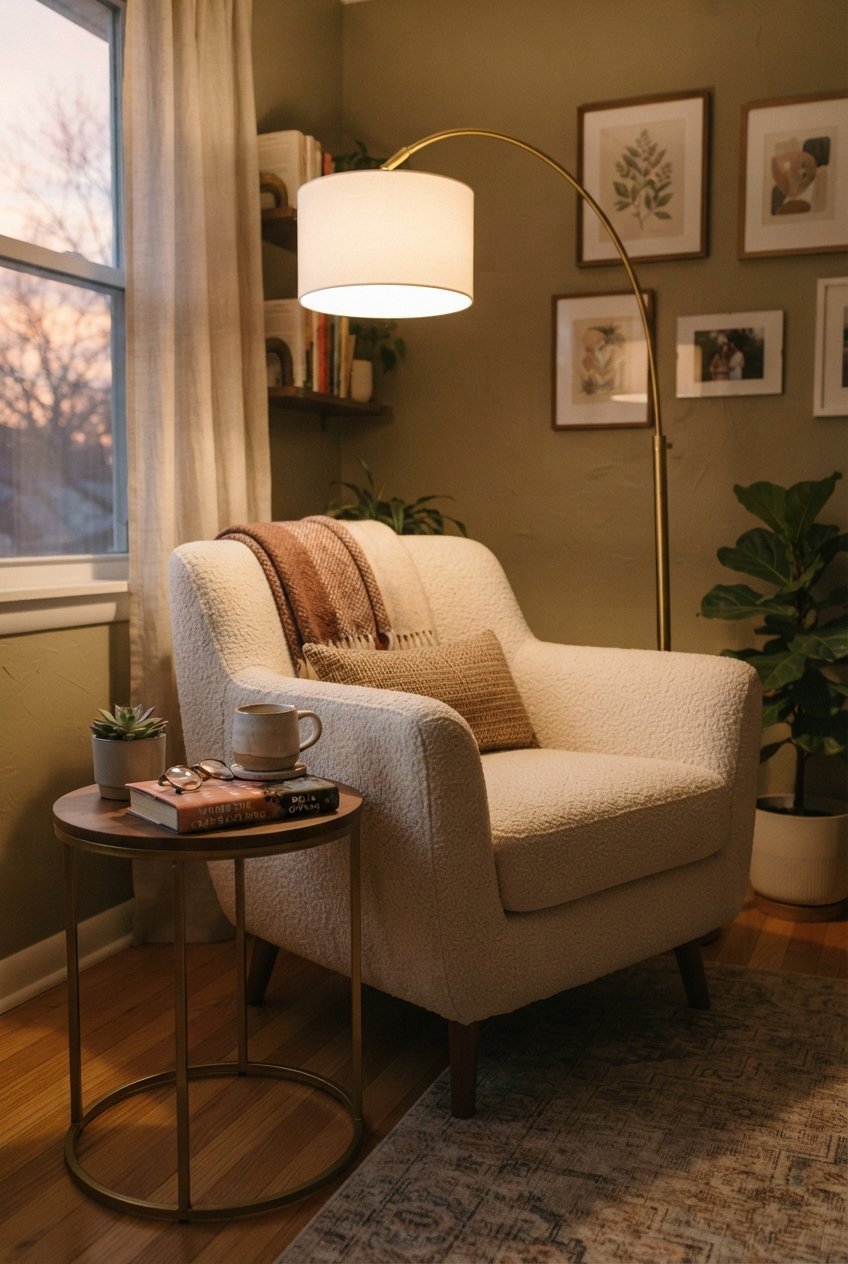
A floor lamp is the best fix for a dark corner, because it needs no table and no wiring work. A tall lamp with a fabric shade adds soft light at standing height, and an arc lamp reaches over a sofa or chair so it works like a ceiling light with no ceiling work.
Place one beside a reading chair for task lighting, and aim the light down over your shoulder rather than into your face. Make sure the base is heavy enough to stay stable, and keep the cord tucked along the wall so nobody trips on it.
6. Try Wall Sconces
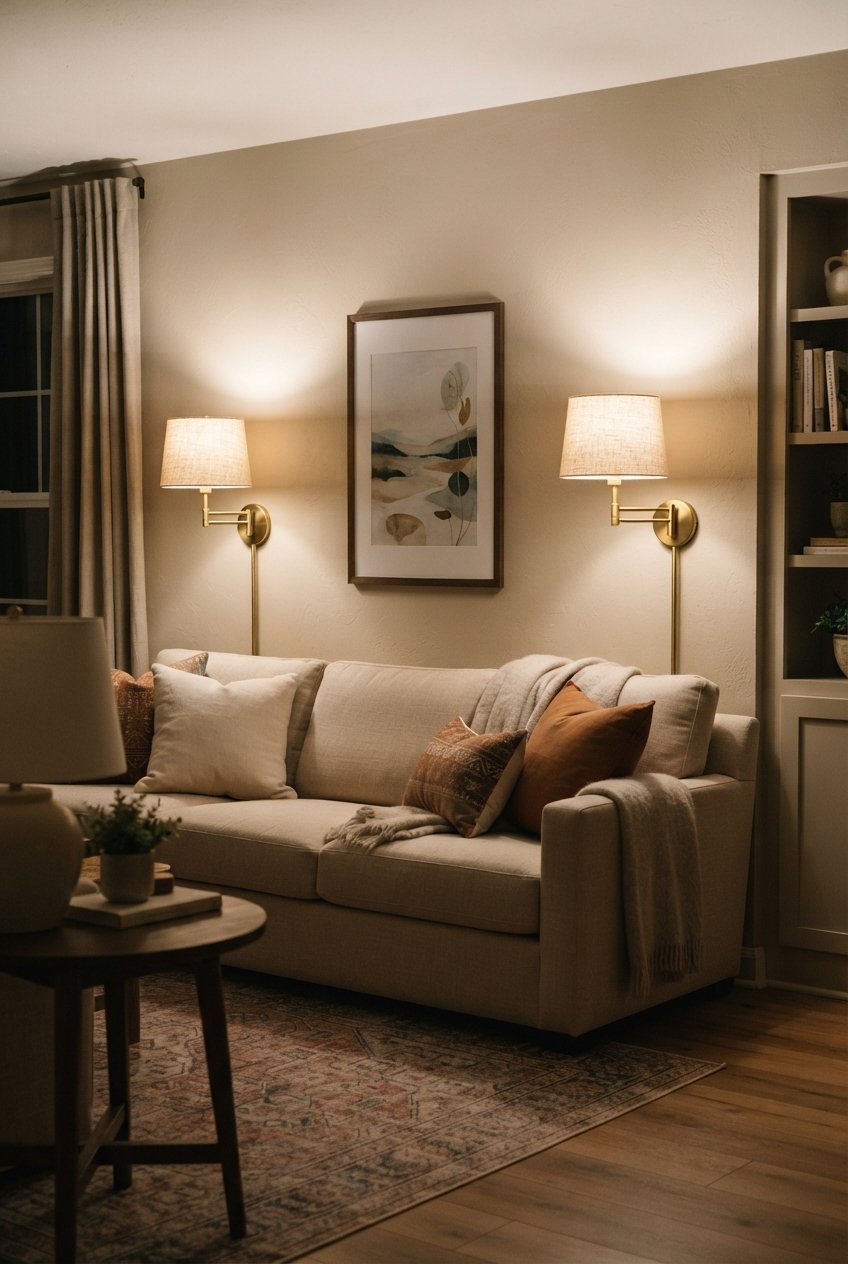
Sconces put light at eye level without using any table or floor space. A pair on either side of a sofa, a fireplace, or a large piece of art creates a warm wash on the wall and makes a room feel layered.
Many sconces are hardwired, which needs an electrician. Plug-in sconces are the renter-friendly option, and you can hide the cord with a paintable cord cover along the wall. Mount them around 60 to 66 inches from the floor as a rule of thumb, and check that the shade is made for the bulb type you choose.
7. Light Your Art
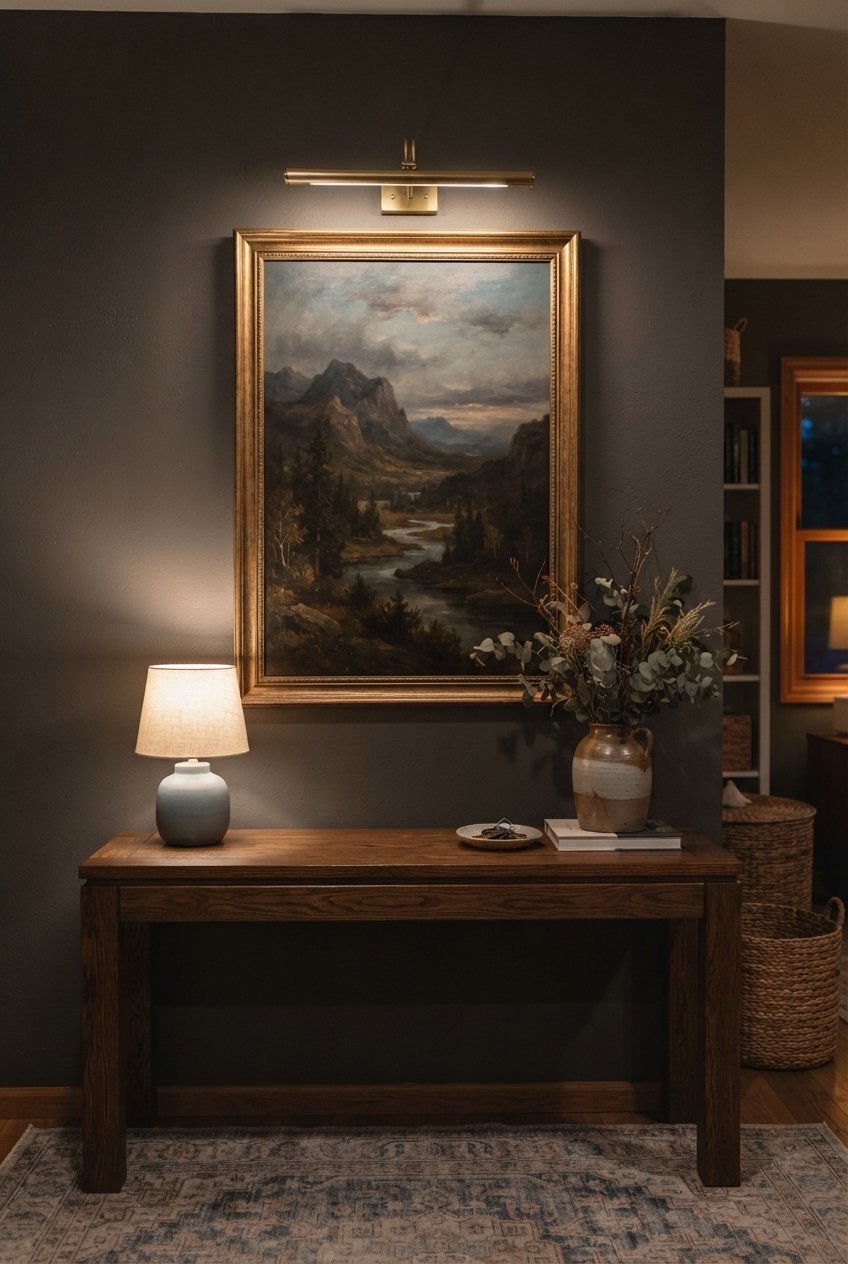
A small picture light mounted above a painting makes the art glow and gives the room a gallery feel. It also adds a pool of light high on the wall, which helps lift a room that feels heavy in the middle.
Battery-operated and rechargeable picture lights are easy for renters, since they need no wiring. Choose a warm bulb and a light with a slim profile. Pick one standout piece to light, instead of lighting every frame, so the room has a clear focal point.
8. Add an LED Strip Behind the TV or Shelves
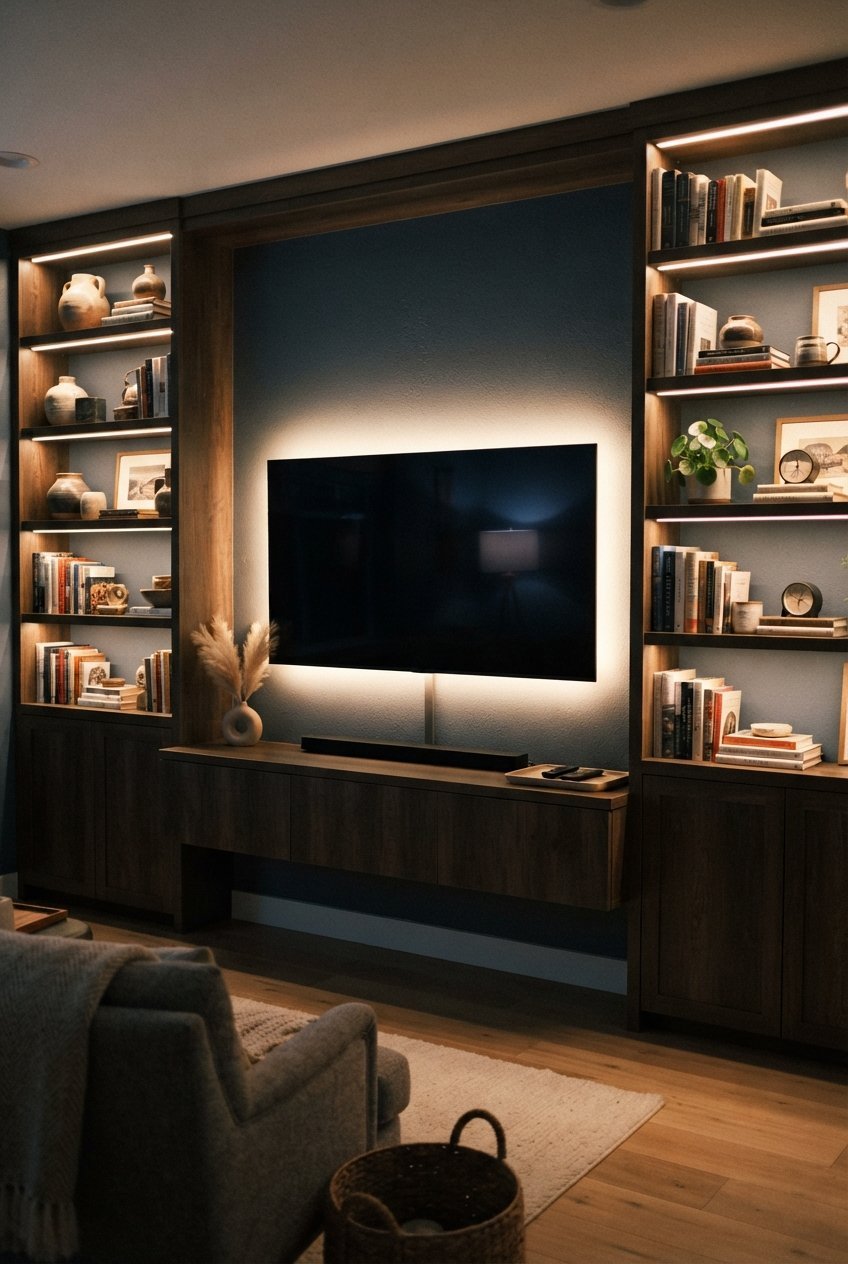
A dark TV in a dark room is hard on the eyes. A warm LED strip behind the screen adds a soft halo, which many people find more comfortable for watching in the evening. The same strip tucked along the edge of a shelf makes books and ceramics glow.
Choose a warm white strip with an adhesive backing and a dimmer or remote. Clean the surface first, and keep the strip away from heat sources. Stick to one color temperature to match the lamps. Avoid bright colored lights if you want the room to stay calm and cozy.
9. Hang a Statement Pendant or Chandelier
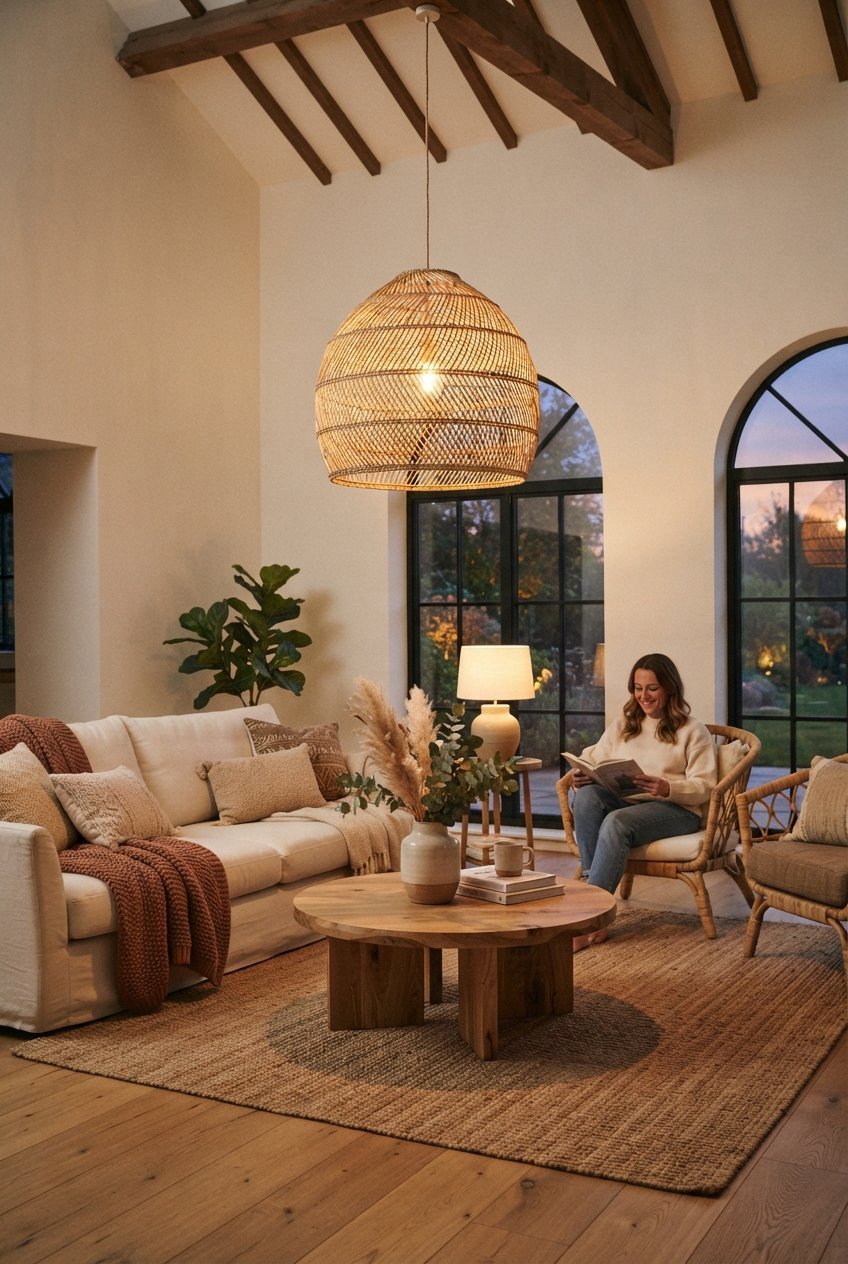
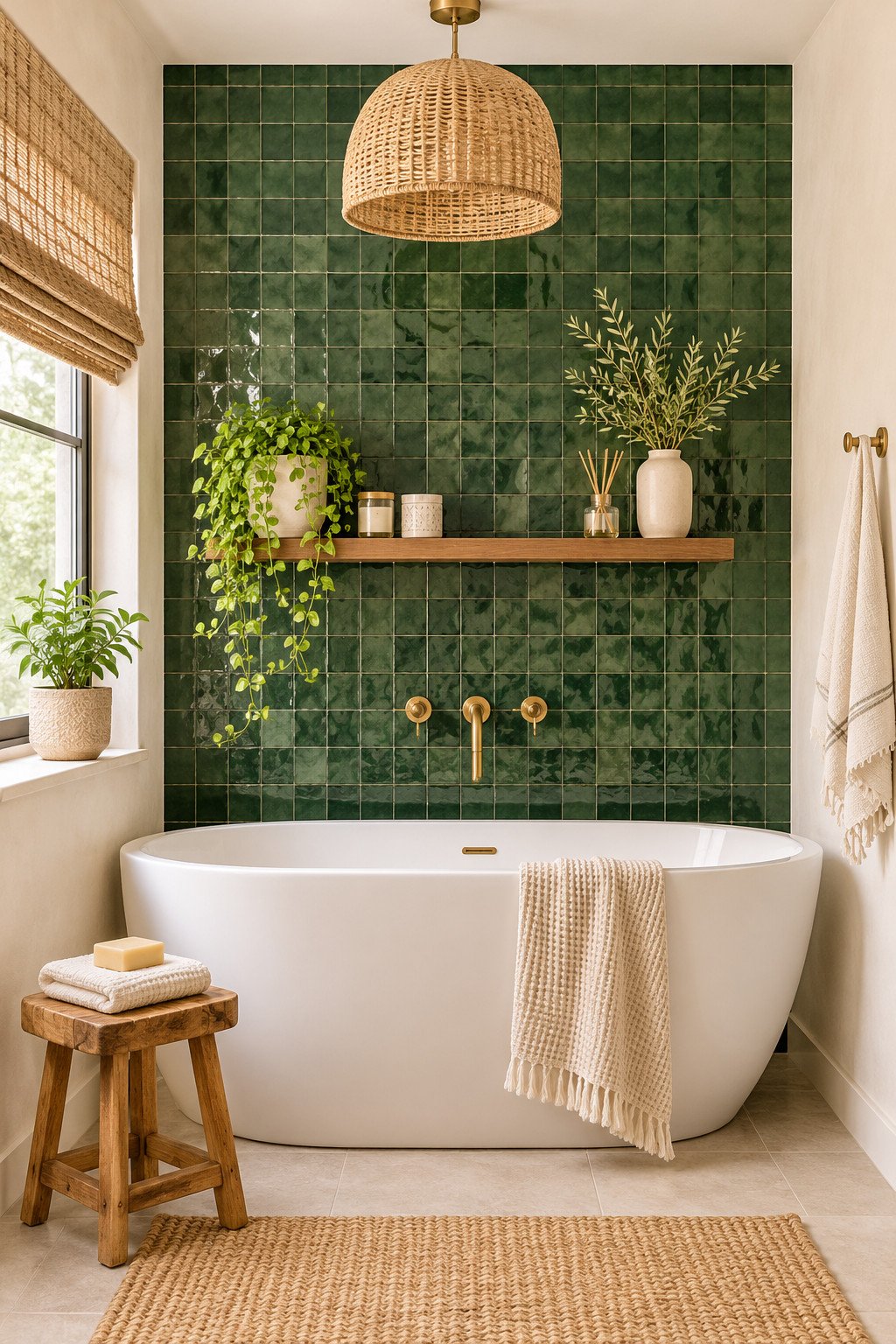
If you have a ceiling fixture position, a sculptural pendant can be the jewelry of the room. A rattan, paper, or brass pendant gives off a soft pattern of light and adds shape overhead, where most rooms are plain.
A common rule of thumb for size is to add the room length and width in feet and use that number as the fixture diameter in inches. Hang it high enough that nobody bumps it, usually with the bottom around 7 feet from the floor, or about 30 to 36 inches above a coffee table. Put it on a dimmer so it does not overpower the room.
10. Uplight a Plant or a Dark Corner

A small uplight on the floor, pointed at a plant or a blank corner, adds depth in the one place lamps usually miss. Light from below throws leaf shadows up the wall, which feels dramatic and cozy at the same time.
It is an inexpensive fix for a flat corner. Choose a low-profile uplight with a warm bulb, and keep it a safe distance from leaves so they do not get hot. For more ways to add life to a living room, our guide to modern minimalist living room ideas shows how one plant can anchor a calm space.
11. Use Smart Bulbs for Evening Scenes
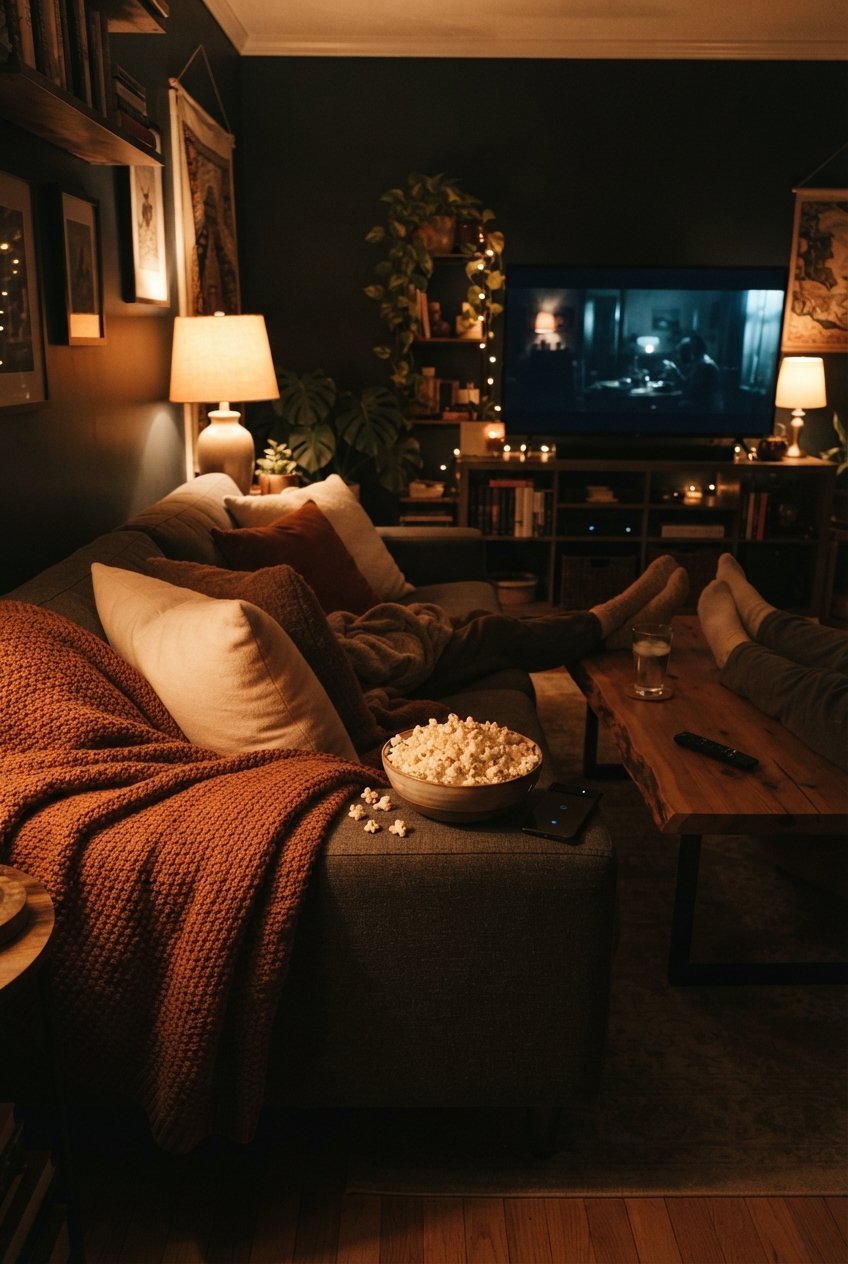
Smart bulbs let you save scenes. A bright setting for cleaning, a soft warm setting for dinner guests, and a very low amber setting for movie night can all live in your phone and switch in one tap. You can also set the lights to dim gradually in the evening.
They suit people who like to fine-tune the mood, and they are easy to install, since you just replace the bulb. Choose warm-capable bulbs and avoid saturated colors for everyday use. Check that your wifi is reliable, and keep a normal switch for guests who do not use the app.
Before You Buy: Brightness, Height, and Safety
Brightness is measured in lumens. A common rule of thumb is roughly 10 to 20 lumens per square foot for a living room, so a 200-square-foot room needs about 2,000 to 4,000 lumens in total. Spread that across several lamps rather than one fixture, and use dimmers so you can lower it. Bulb packaging lists lumens, which is more useful than watts for LEDs.
Think about height. Light at three levels makes a room feel balanced: low from table lamps, mid from sconces or floor lamps, and high from a ceiling fixture. Avoid placing every light at the same height, since that flattens the space.
Stay safe with cords and wattage. Do not hide cords under rugs where they can overheat or wear, use cord covers along walls, and never exceed the maximum wattage printed on a lamp. Do not use fabric or paper shades too close to a hot bulb, and stick to LEDs, which stay much cooler. If a project needs new wiring, a licensed electrician is the right person for the job.
Lighting also works best with the rest of the room. A rug and a few soft textiles absorb echo and make light feel warmer, and our guide to living room rugs can help you choose one. To avoid common slip-ups in the whole room, read living room decor mistakes that make a space feel smaller, and for higher-end touches see luxury interior design ideas. For more budget-friendly finishing touches, take a look at home decor ideas that make a home look expensive.
For more living room inspiration, follow along on Pinterest.
Frequently Asked Questions
What is the best light color for a living room?
A warm white around 2700K feels cozy and flattering for most living rooms. Cool white or daylight bulbs near 5000K tend to look harsh and are better suited to workspaces than a relaxing room.
How many lights should a living room have?
Aim for at least three or four light sources at different heights, such as a ceiling fixture, a floor lamp, and one or two table lamps or sconces. Spreading light around the room feels warmer than relying on one fixture.
How do I light a living room without an overhead light?
Use lamps. A floor lamp, a pair of table lamps, a plug-in sconce, and an accent light on art or a plant can light a room completely. Layer them around the room and put each on a warm bulb.
Do I need a dimmer in the living room?
It is not required, but it makes a big difference. A dimmer lets the same fixture serve for bright cleaning and soft evening light. Make sure the bulbs and the dimmer are compatible with each other.
How bright should living room lighting be?
A common rule of thumb is roughly 10 to 20 lumens per square foot of floor space, spread across several sources. Use dimmers so you can go lower in the evening and higher for tasks.
Can renters add sconces and picture lights?
Yes. Plug-in sconces can be hung with a couple of small screws or strong adhesive hooks, and battery-operated or rechargeable picture lights need no wiring. Cord covers keep cables tidy. Check your lease for any rules about wall fixings.