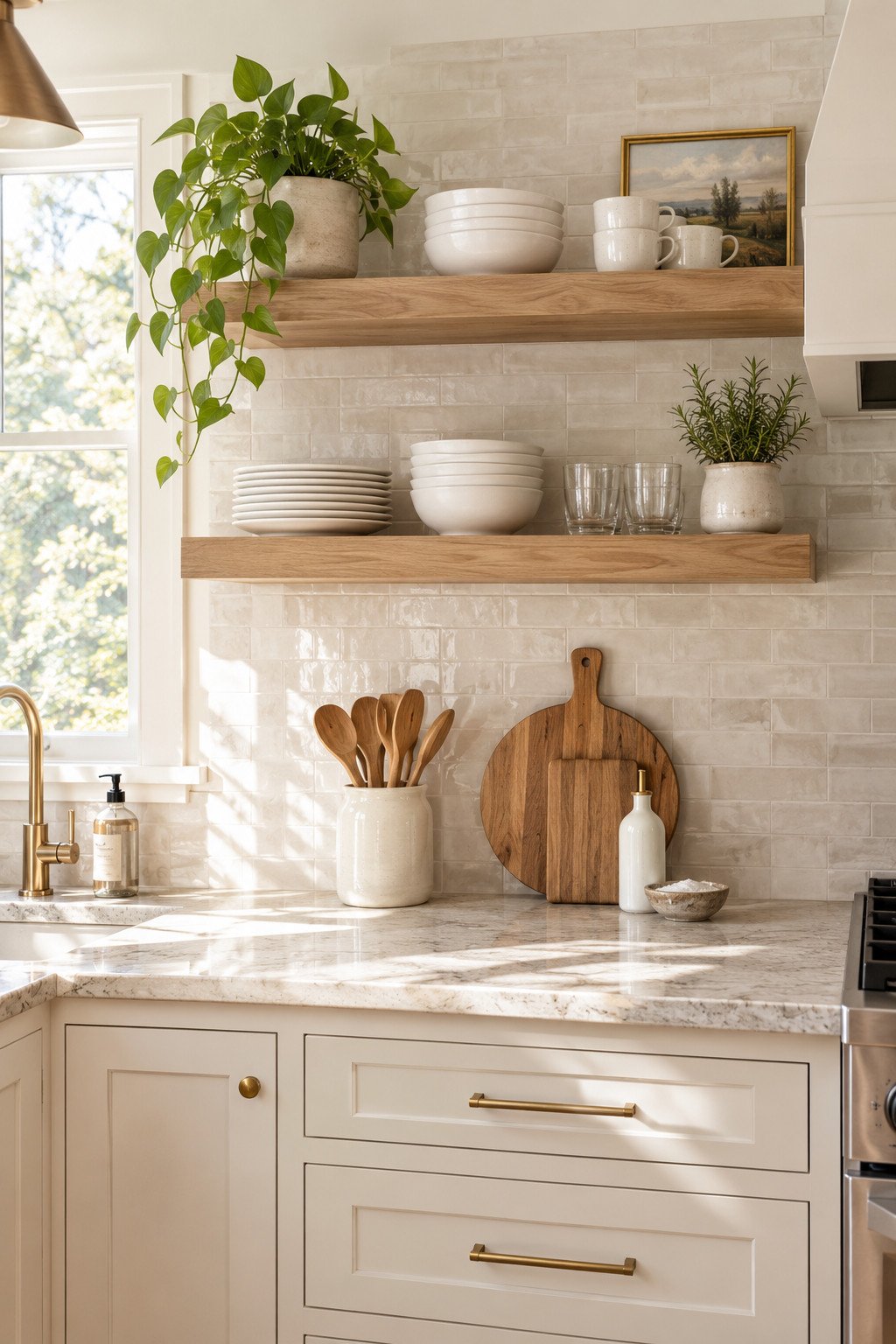
Materials, lighting, and small details that do the work of a much bigger budget.
Luxury interior design ideas are often mistaken for a shopping list of expensive things. In practice, the rooms that feel high-end tend to share a few quieter habits: good materials, careful lighting, a tight color story, and a lot of restraint. Price tags matter much less than how the pieces are chosen and put together.
These nine luxury interior design ideas focus on the choices that make a room look rich and settled, with notes on where you can spend and where you can save.
Table of Contents
1. Start With Quality Materials in Luxury Interior Design
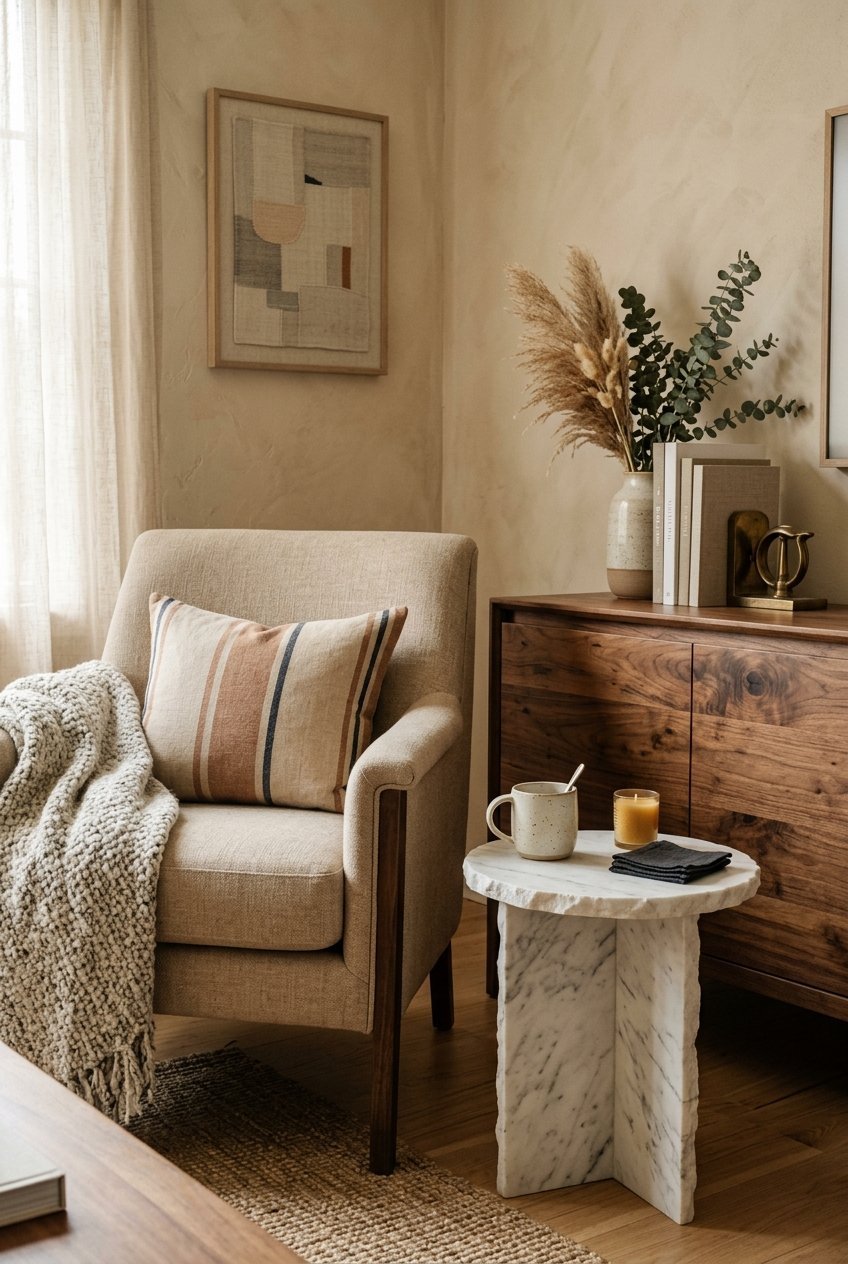
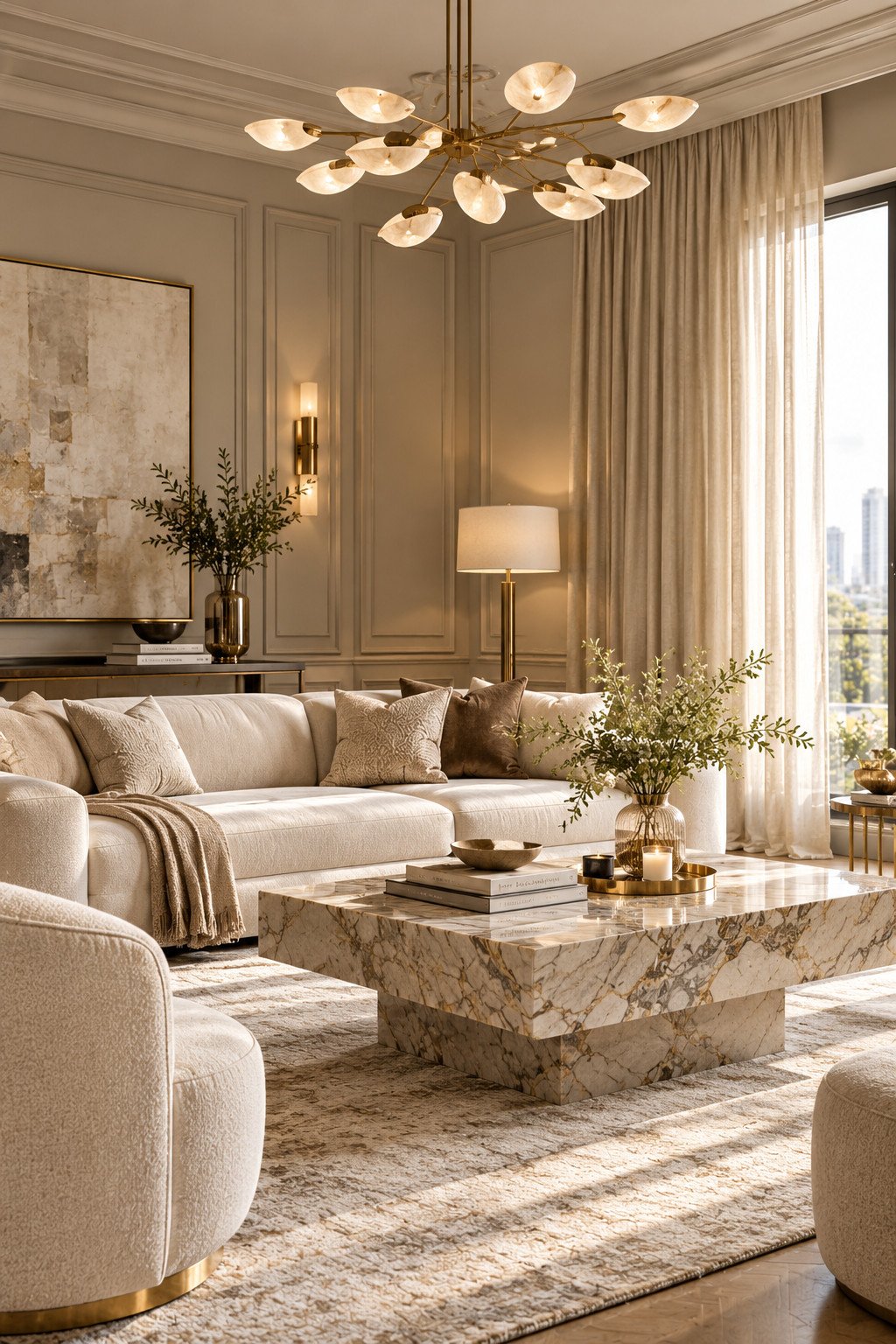
Material is where luxury interior design ideas begin. Natural stone, solid wood, linen, wool, and leather look and feel different from their cheaper imitations, and the difference shows up in the details: the weight of a table, the way light sits on a honed surface, how a fabric drapes.
You do not need to use them everywhere. A marble side table, a solid wood console, and linen on the main seating go a long way. Put the real material where people touch and look most, and keep everything else simple.
2. Layer Lighting Around One Statement Fixture
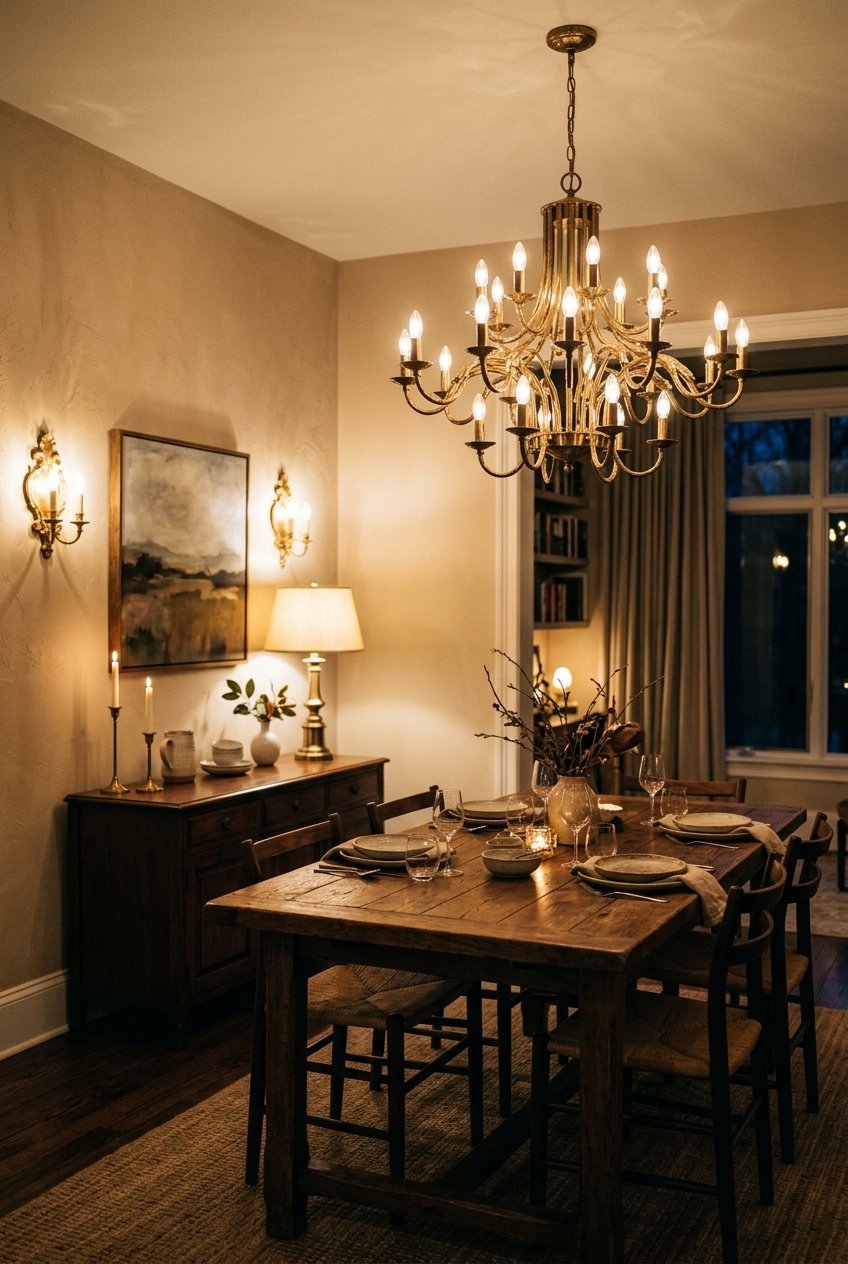
A single bright ceiling light flattens a room and makes it feel like an office. High-end rooms rely on layers: one sculptural fixture as the centerpiece, then sconces, table lamps, and floor lamps at different heights for a warm, even glow.
Put the main fixture on a dimmer and choose warm bulbs, around 2700K. Lighting is one of the cheapest ways to change how expensive a room feels, and it works in an apartment as well as a large house.
3. Use a Rich, Tonal Color Palette
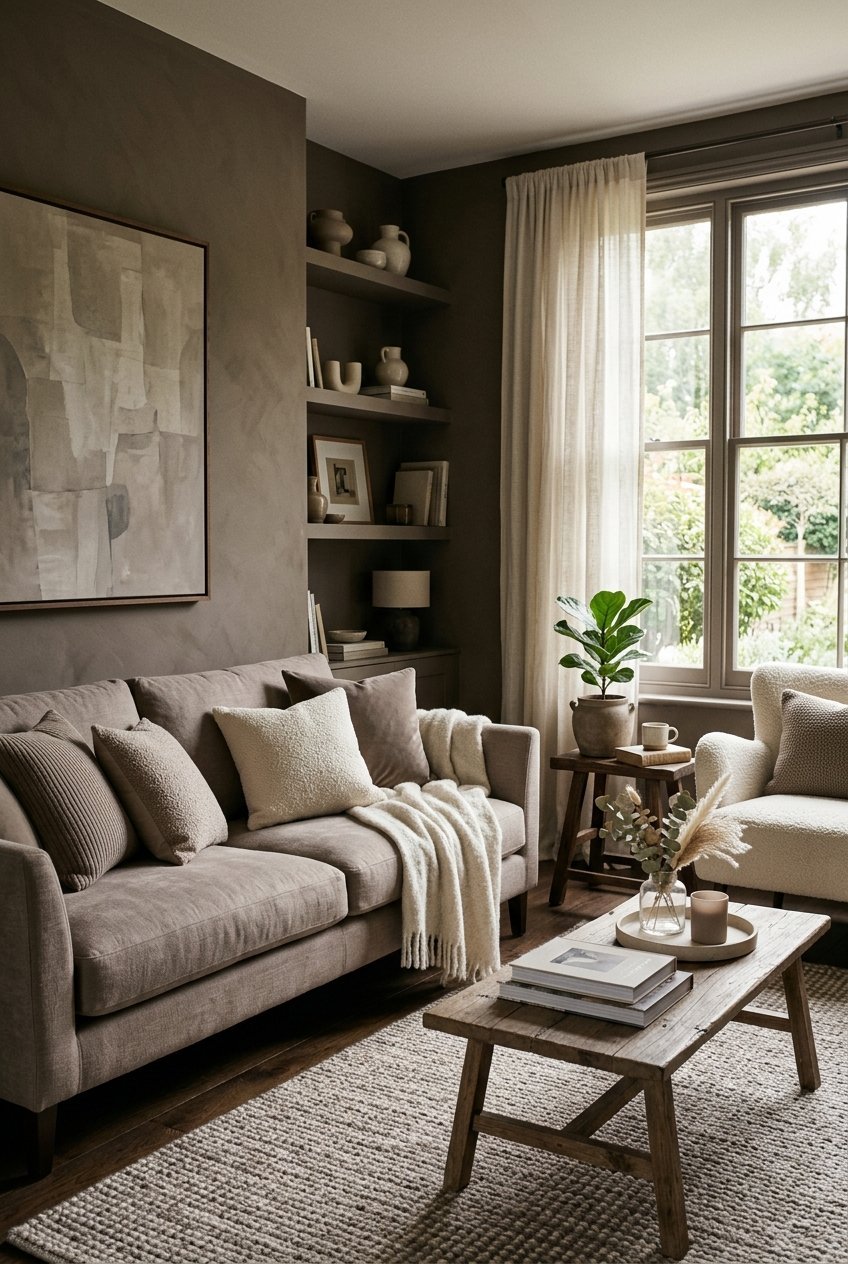
Instead of mixing many colors, luxury rooms often stay in one family and vary the shade. Deep taupe, mushroom, cream, and warm charcoal layered together create depth without noise. The walls, sofa, and curtains sit close in tone, so the eye reads the room as one calm space.
Add interest through texture and finish rather than a new color. A matte wall, a velvet cushion, and a glossy ceramic in the same range look more considered than three unrelated accent colors.
4. Add Wall Paneling and Millwork
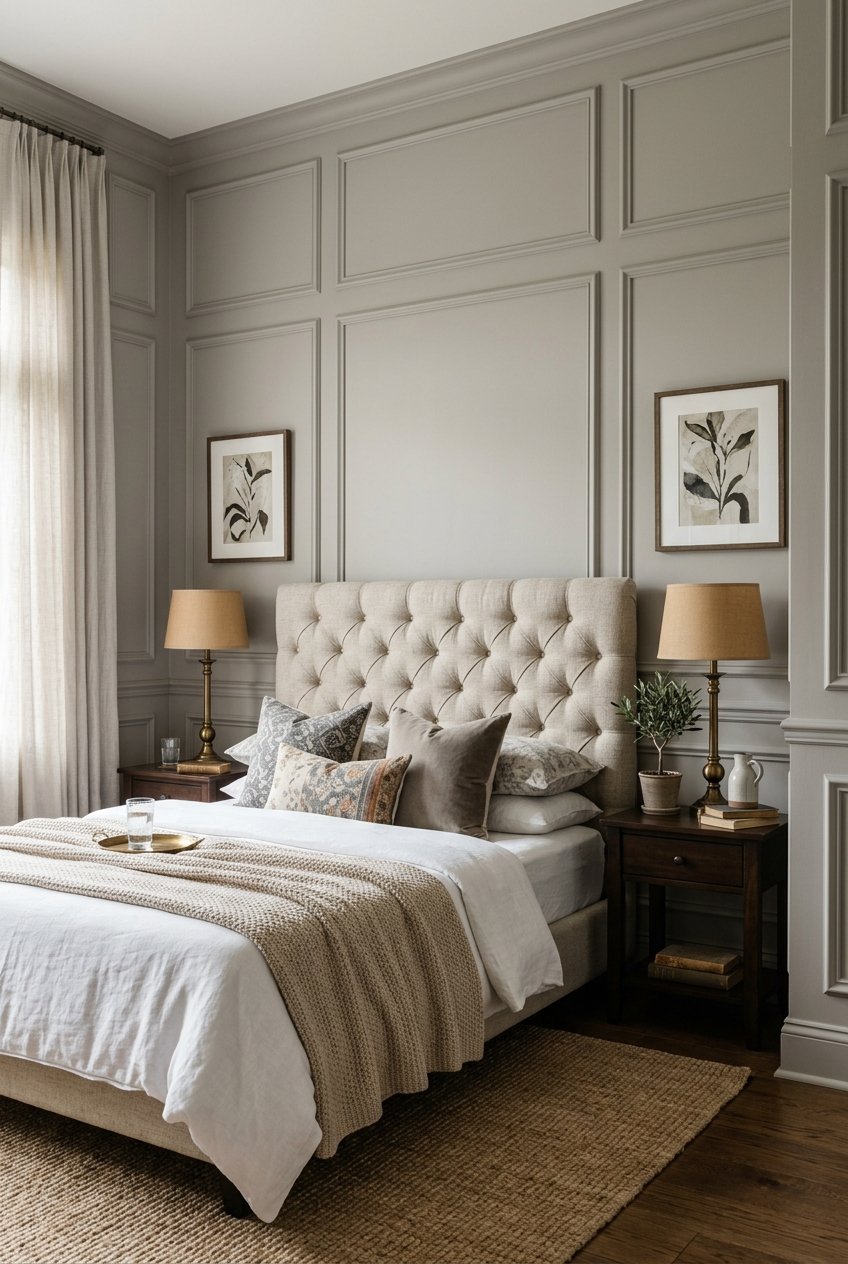
Paneling gives plain walls architecture. Picture-frame molding, vertical slats, or full-height wainscoting make a room feel built rather than just furnished, and they catch shadow and light in a way flat paint never does.
Painting the paneling and the wall the same color is the modern take, since it keeps the look soft and quiet. It is also one of the more affordable luxury interior design ideas on this list, because it can be done with MDF strips and a weekend of work.
5. Choose Oversized Art and Mirrors
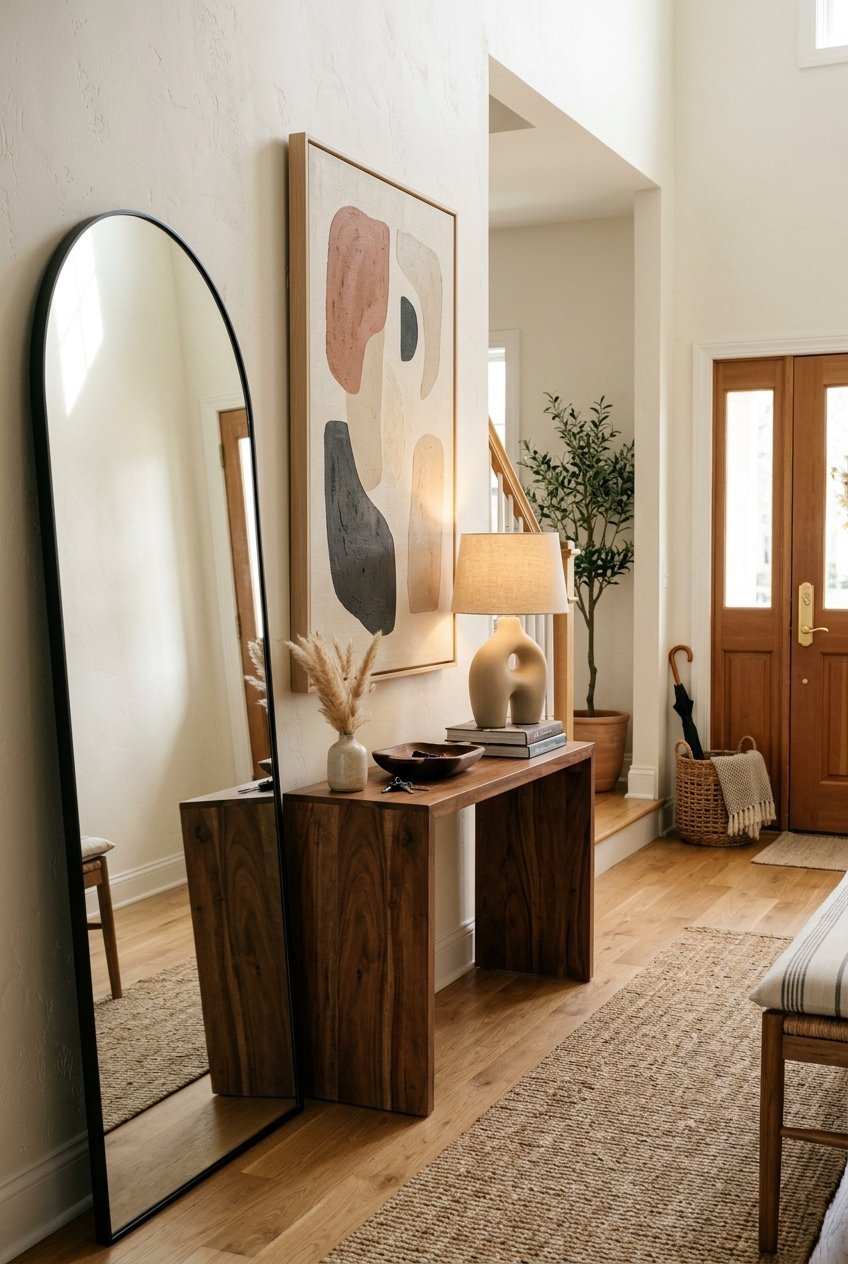
Small pictures scattered across a wall read as clutter. One large piece reads as a decision. An oversized mirror or a single big artwork gives a wall presence, and a tall arched mirror also bounces light around and makes the room feel larger.
Hang art lower than you think, with the center around eye level, and let a large piece sit over a console or sofa about two-thirds of its width. If a big original is out of budget, a well-framed print with a wide mat looks surprisingly polished.
6. Invest in Luxe Upholstery
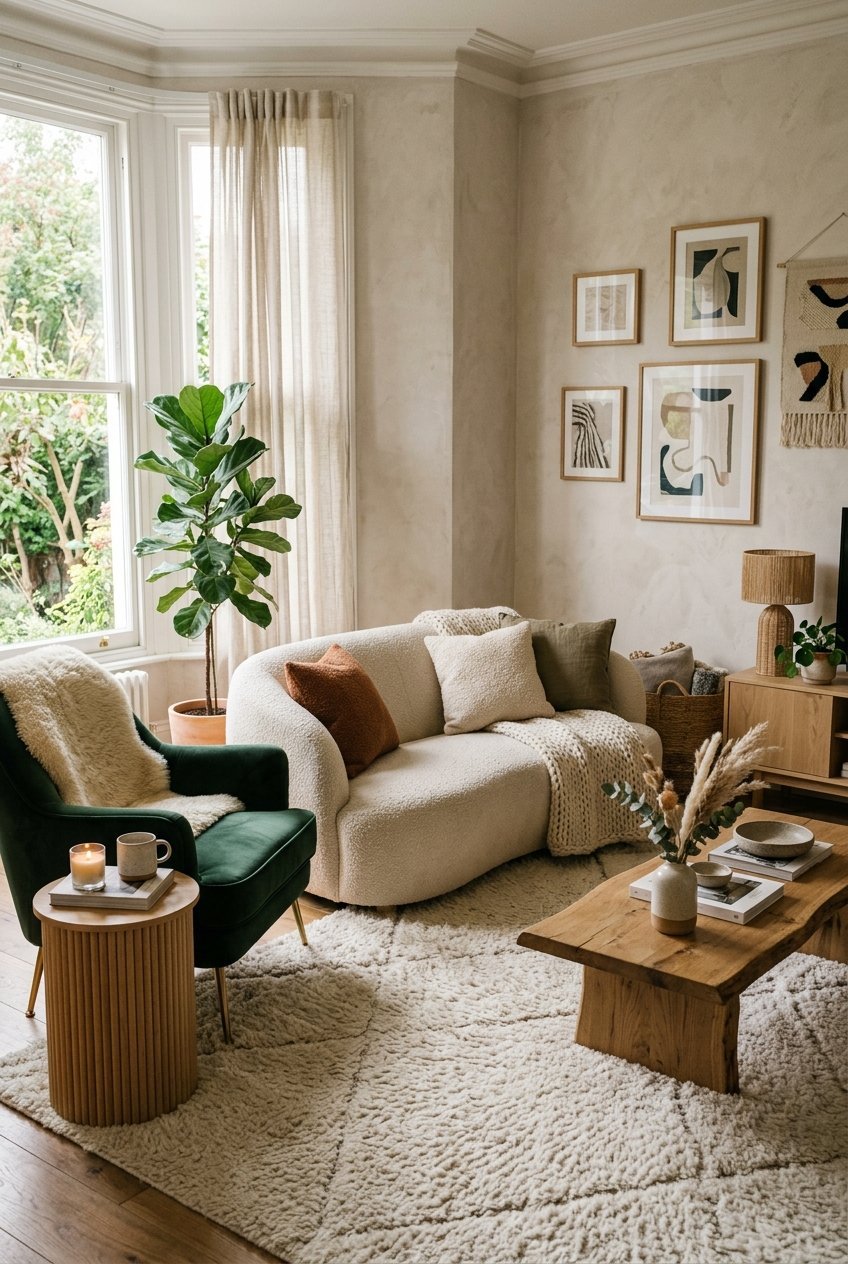
The sofa and main chairs set the tone for a room. Bouclé, velvet, heavy linen, and wool blends have a richness that thin synthetics do not, and a curved or sculptural silhouette adds a designer feel without any decoration.
If you have to choose, spend on the piece you use every day and keep supporting furniture simpler. Good construction matters here too: a solid frame and quality cushions are what keep a sofa looking sharp after years of use.
7. Hang Floor-Length Curtains High
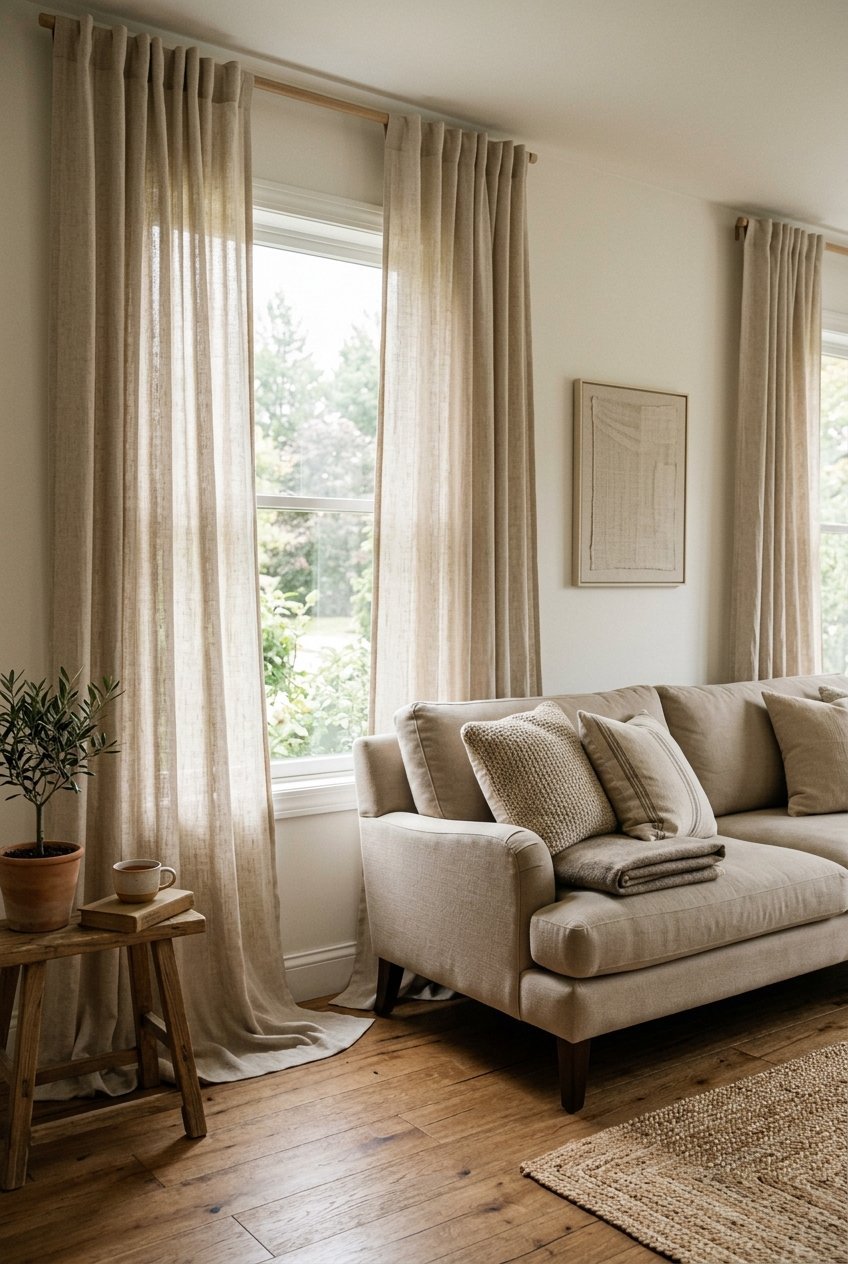
Curtains hung just above the window frame make a room look short. Mounting the rod close to the ceiling and letting the fabric reach the floor, or pool slightly, draws the eye up and gives the walls height.
Choose fullness over fancy fabric. Panels with plenty of width, in linen or a linen blend, look more expensive than thin curtains in a richer material. Add a lining so the light stays soft and the fabric hangs well.
8. Keep Metal Finishes Cohesive
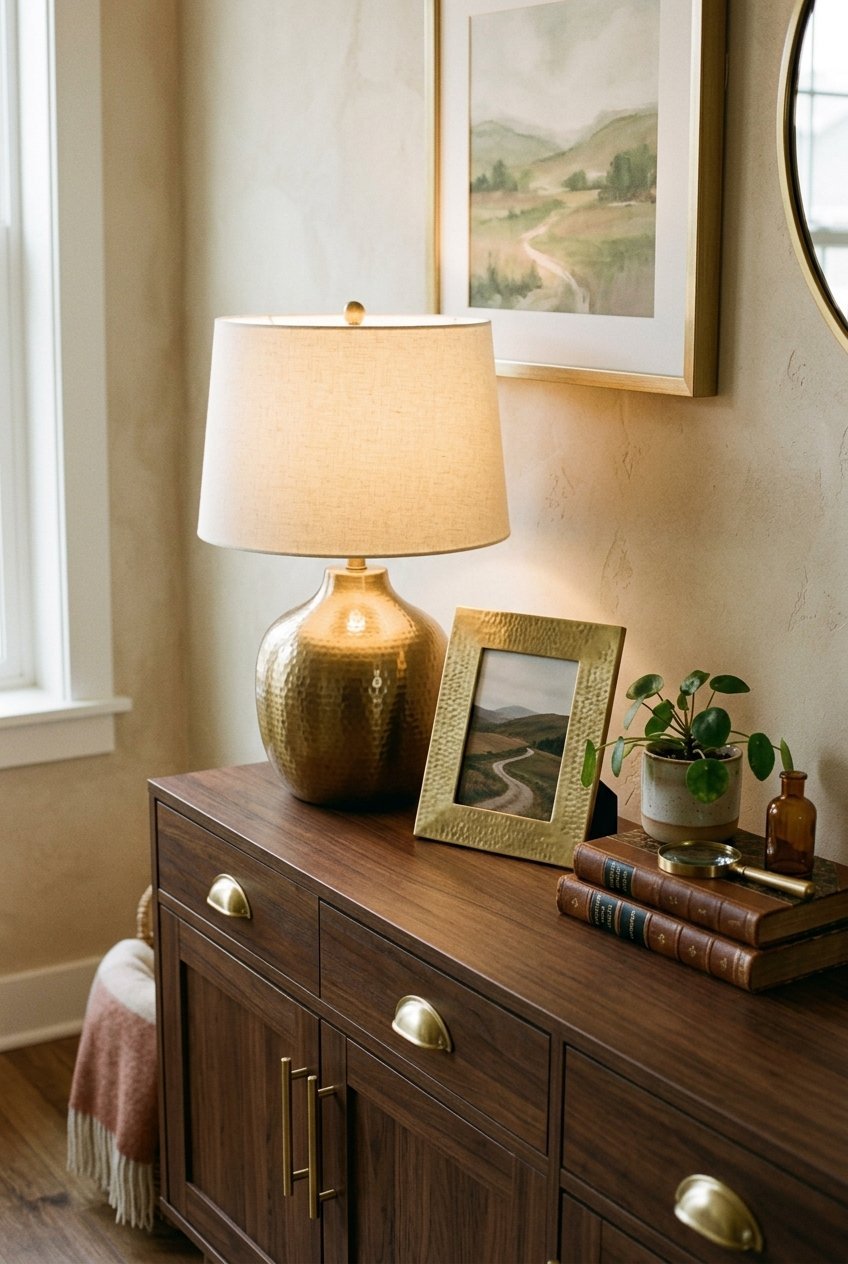
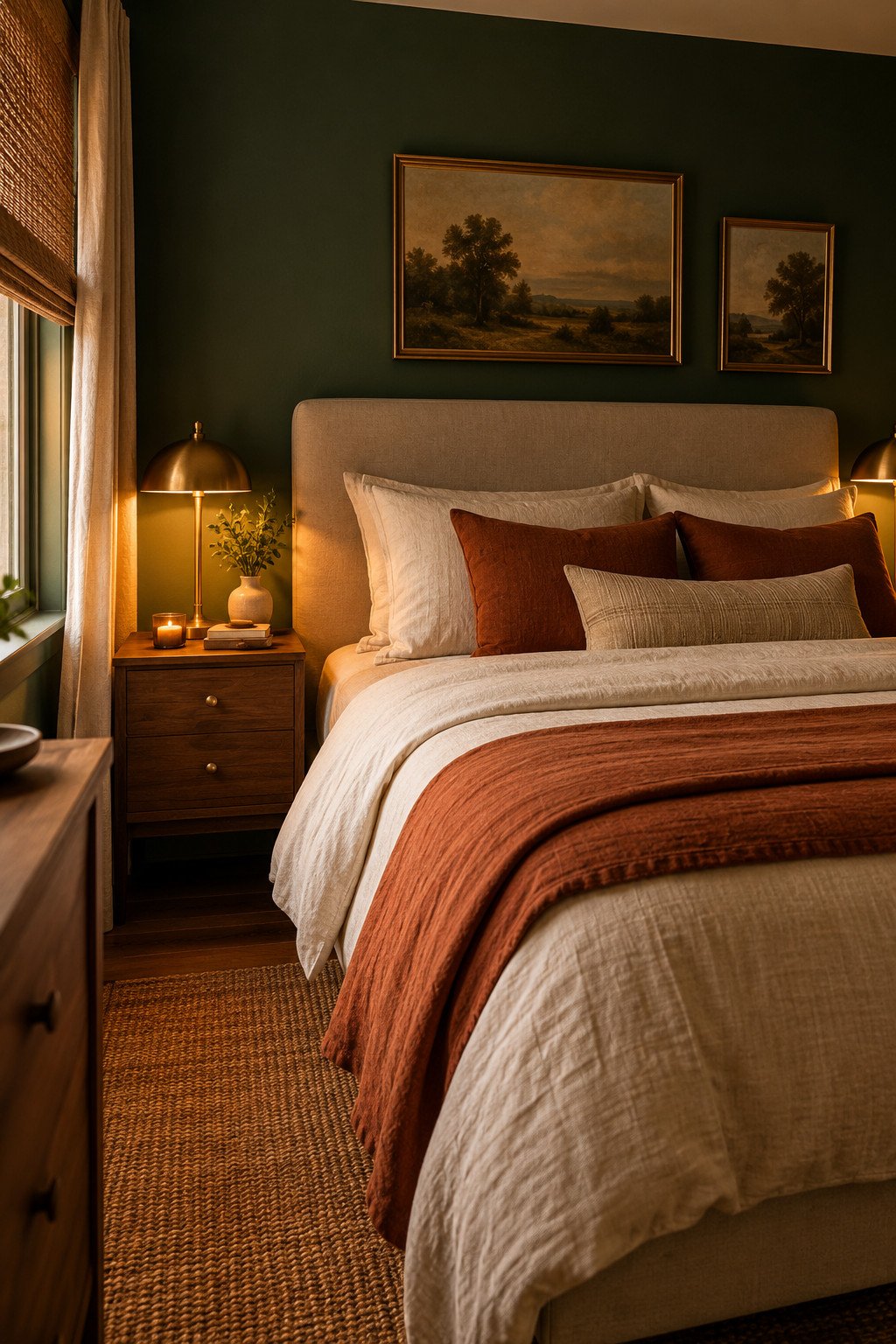
Mixed metals can work, but a luxury interior usually picks a lead finish and repeats it. Brushed brass, aged bronze, or matte black on lamp bases, frames, cabinet hardware, and faucets ties separate rooms together without anyone noticing why.
A second metal in small amounts is fine as an accent. The point is a clear main finish, so the details feel chosen as a set rather than collected by accident.
9. Edit Down the Accessories
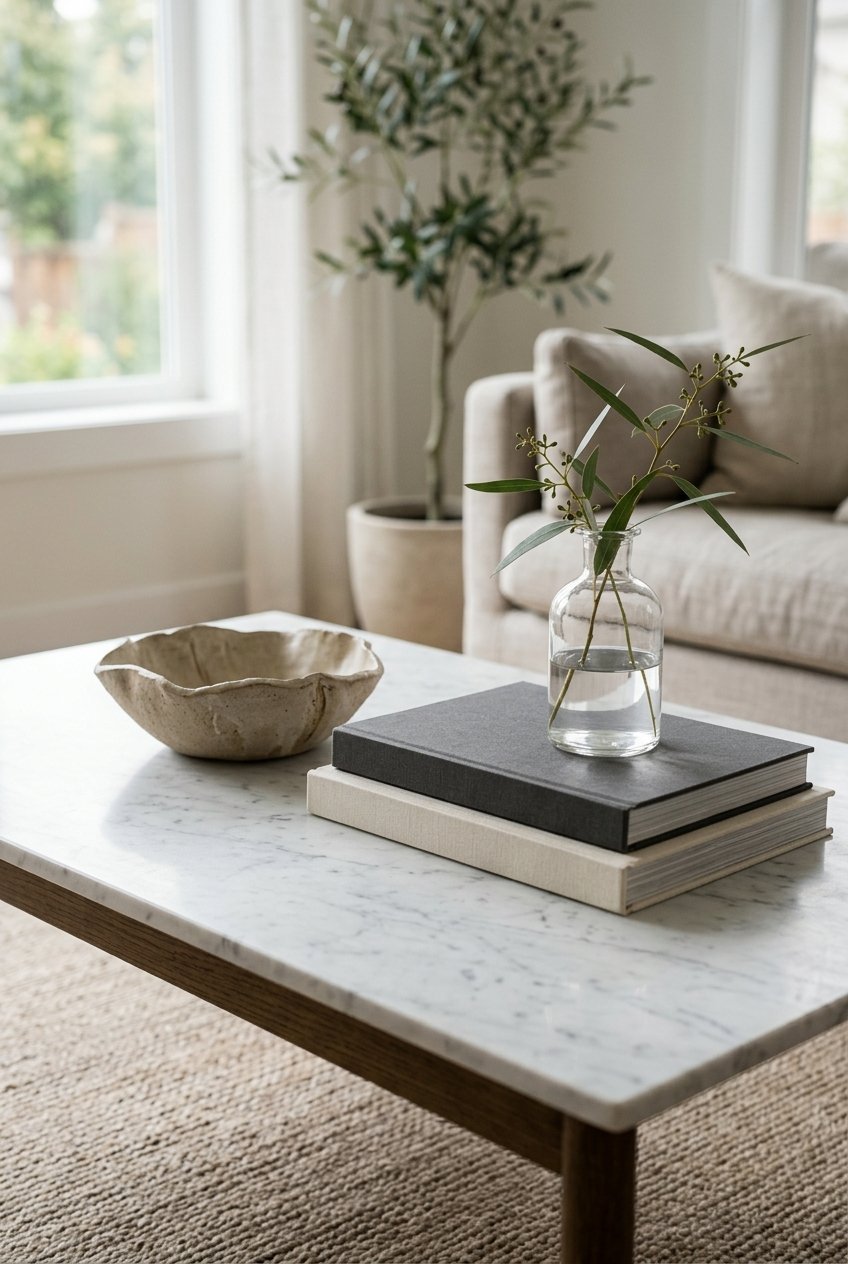
The last luxury interior design idea is the easiest and the hardest: leave space. A coffee table with two large books, one sculptural bowl, and a single stem looks richer than one crowded with ten small objects. Empty surface signals that nothing in the room is there to fill space.
Pick fewer, larger, better pieces and rotate them with the seasons. If a surface still feels busy, take one thing off before adding anything new.
Putting the Look Together
You do not need all nine at once. Start with lighting and curtains, which change a room fastest for the least money, then work toward materials and upholstery as the budget allows. If you want more room-by-room guidance, our guide to home decor ideas that make a home look expensive covers more budget-friendly upgrades, and our piece on luxury bathroom ideas brings the same approach into the bathroom.
For more high-end styling inspiration, follow along on Pinterest.
Frequently Asked Questions
What makes an interior look luxurious?
Good materials, layered lighting, a controlled color palette, and restraint with accessories do most of the work. Luxury is more about how carefully things are chosen than how much they cost.
Can I get a luxury look on a budget?
Yes. Lighting, curtains hung high, wall paneling made from MDF, and a clean, edited surface all add a high-end feel for relatively little money. Save the larger spend for the sofa and one or two quality materials.
What colors feel the most luxurious?
Deep, muted tones such as taupe, mushroom, charcoal, and cream layered together usually read as rich. Deep green, navy, and warm black also work well when used in a controlled way.
What is quiet luxury in home decor?
It is a style built on quality, texture, and subtle neutral tones rather than logos or loud decoration. Rooms look expensive because of the materials and proportions, not because of obvious statement pieces.
Is wall paneling worth it?
For most homes, yes. It adds architecture to flat walls and holds its value as a design feature. Painted in a single soft color, it looks current and works in nearly any room.
How many statement pieces should a room have?
Usually one or two. A single standout fixture, mirror, or piece of art has more impact when the rest of the room is calm, and too many statements start to compete with each other.