Styles, sizes, and layering ideas for the one piece that ties the whole room together.
Living room rugs do more work than almost any other item in the room. They define the seating area, soften the sound, warm up a hard floor, and tie the sofa, chairs, and tables into one group instead of a handful of separate pieces. A room with a good rug often looks finished even when the rest of the decor is simple.
The tricky part is choosing one. These nine living room rugs cover the styles that work in real homes, with notes on who each one suits and how to get the size right.
Table of Contents
1. Jute and Natural Fiber Rugs
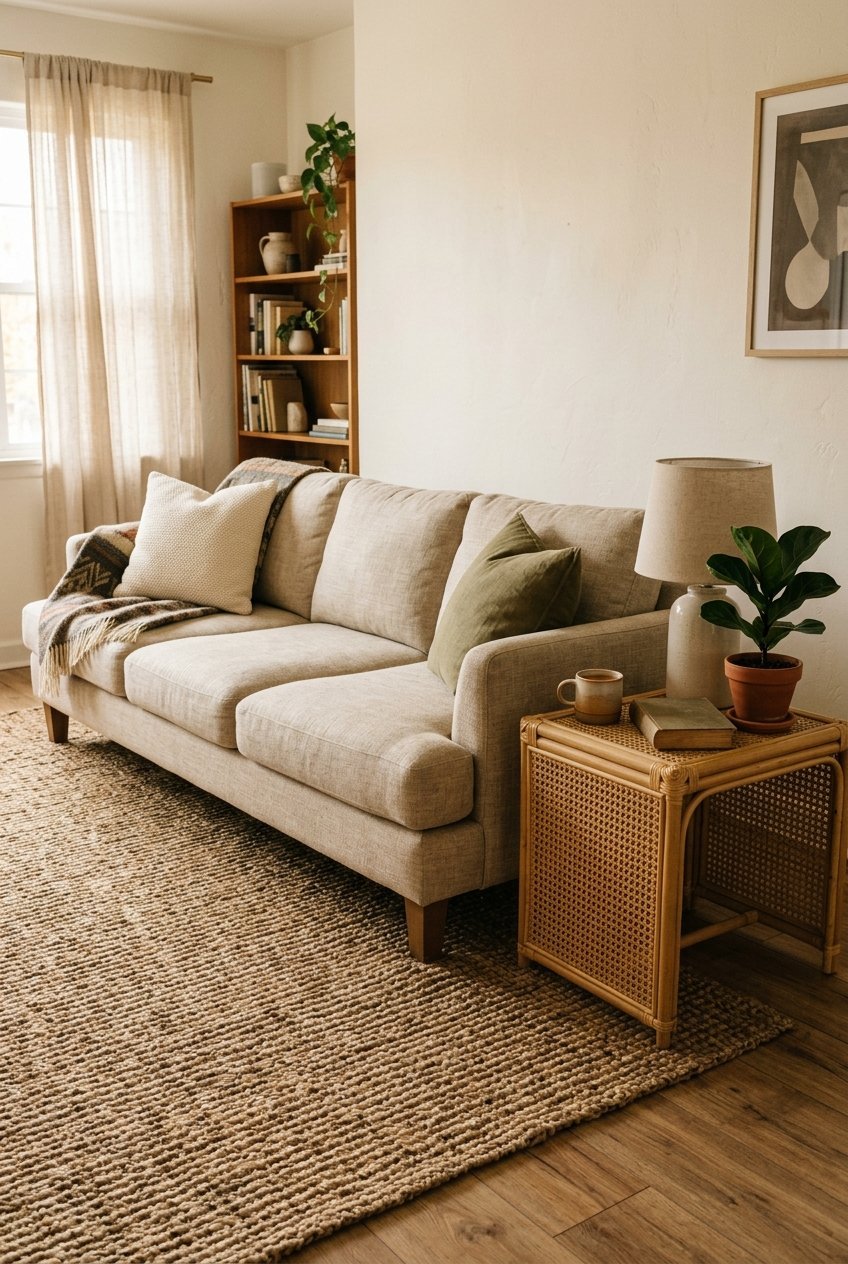
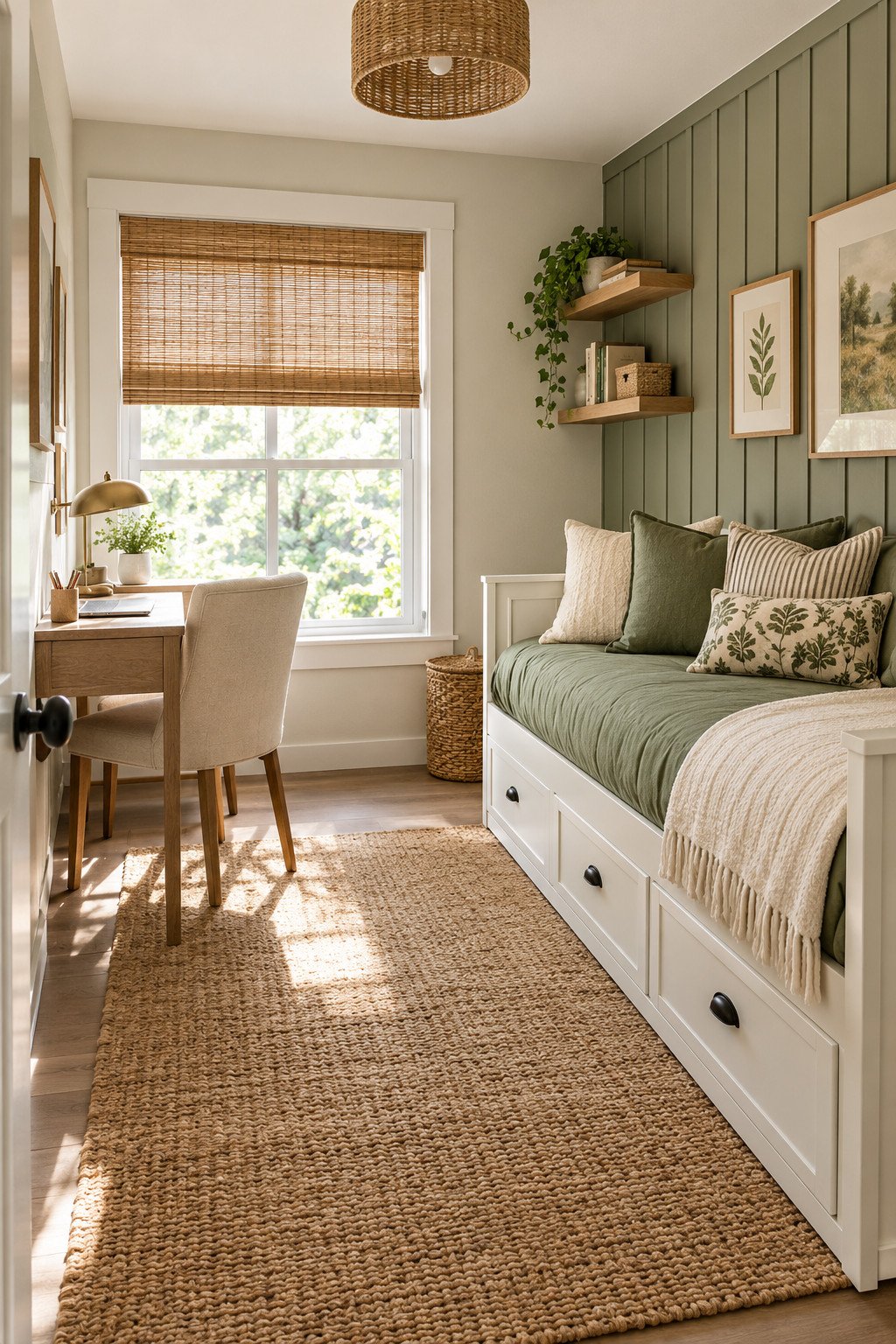
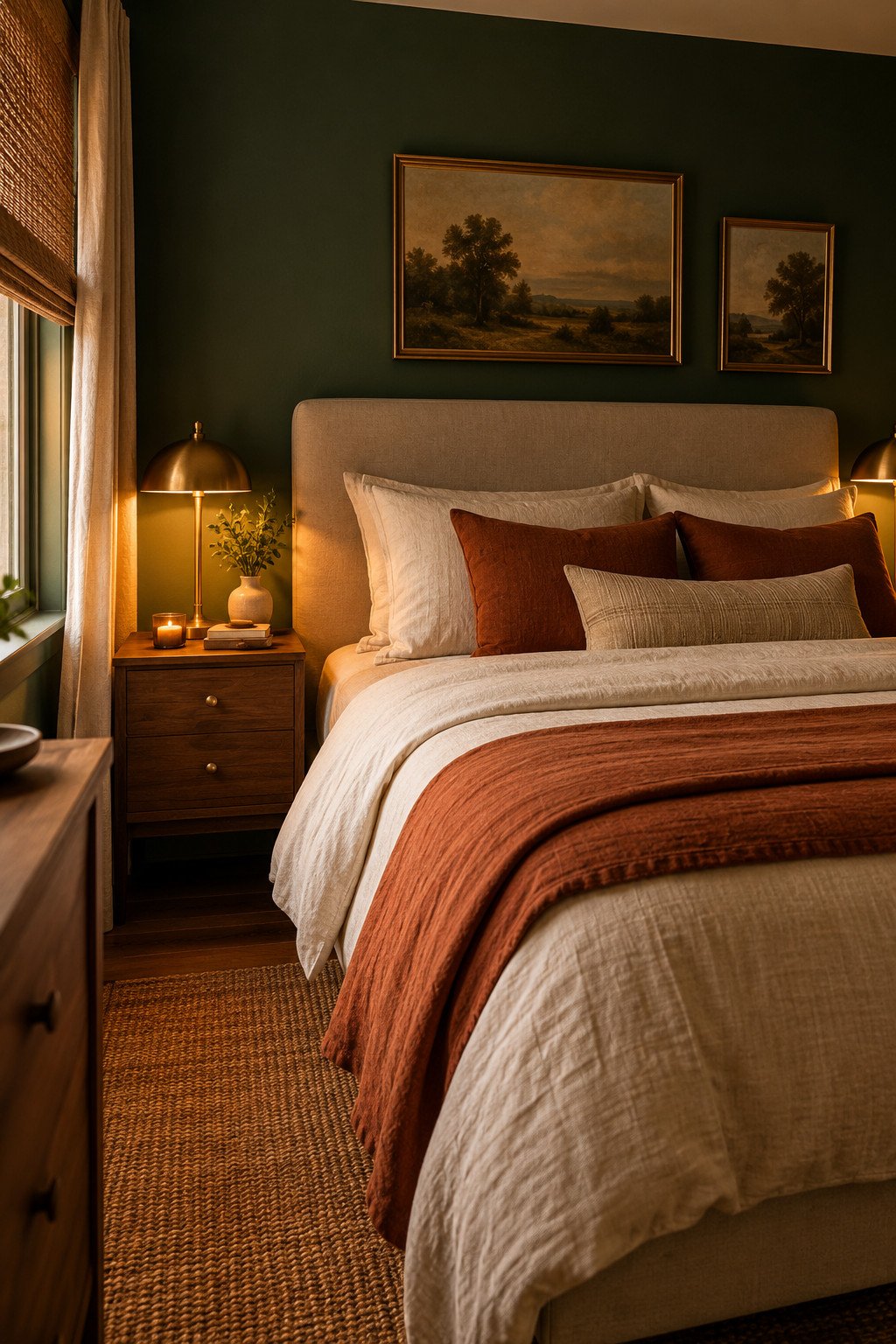
Jute is one of the most popular choices among living room rugs because it goes with almost everything. The woven texture adds warmth to a neutral room, and the earthy tone works with wood furniture, linen upholstery, and plants alike.
It is on the rougher side underfoot and shows wear faster in a spot where people sit on the floor, so it suits adult living rooms better than a play area. A rug pad underneath keeps it from sliding and adds a little cushioning.
2. Vintage and Persian-Style Rugs
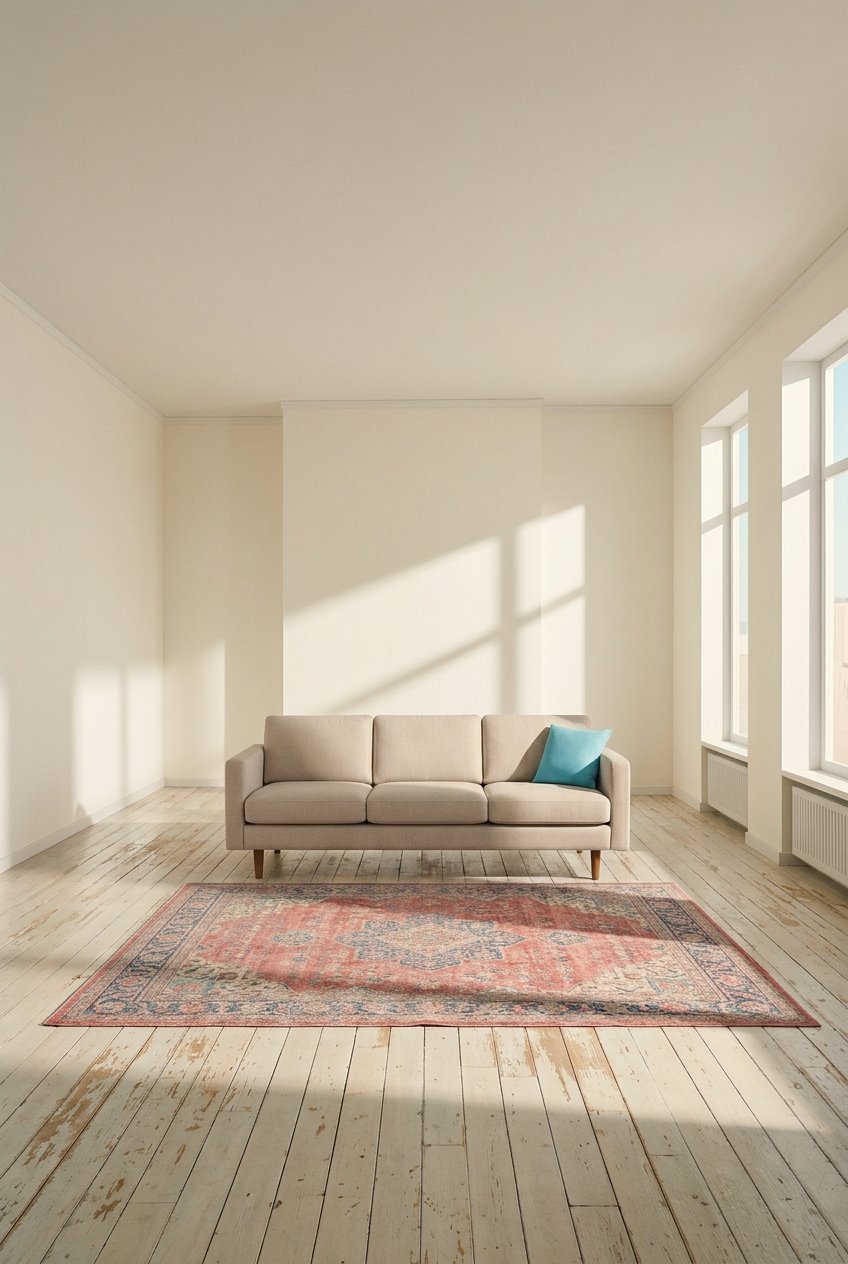
A vintage or Persian-style rug brings pattern, color, and a sense of history into a room that might otherwise feel new and flat. The faded tones that come with age tend to look relaxed rather than busy, so they pair well with simple modern furniture.
Authentic antique rugs can cost a lot, but many newer rugs copy the same patterns at a lower price. The pattern also hides everyday dirt well, which is a quiet advantage in a high-traffic room.
3. Neutral Wool Rugs
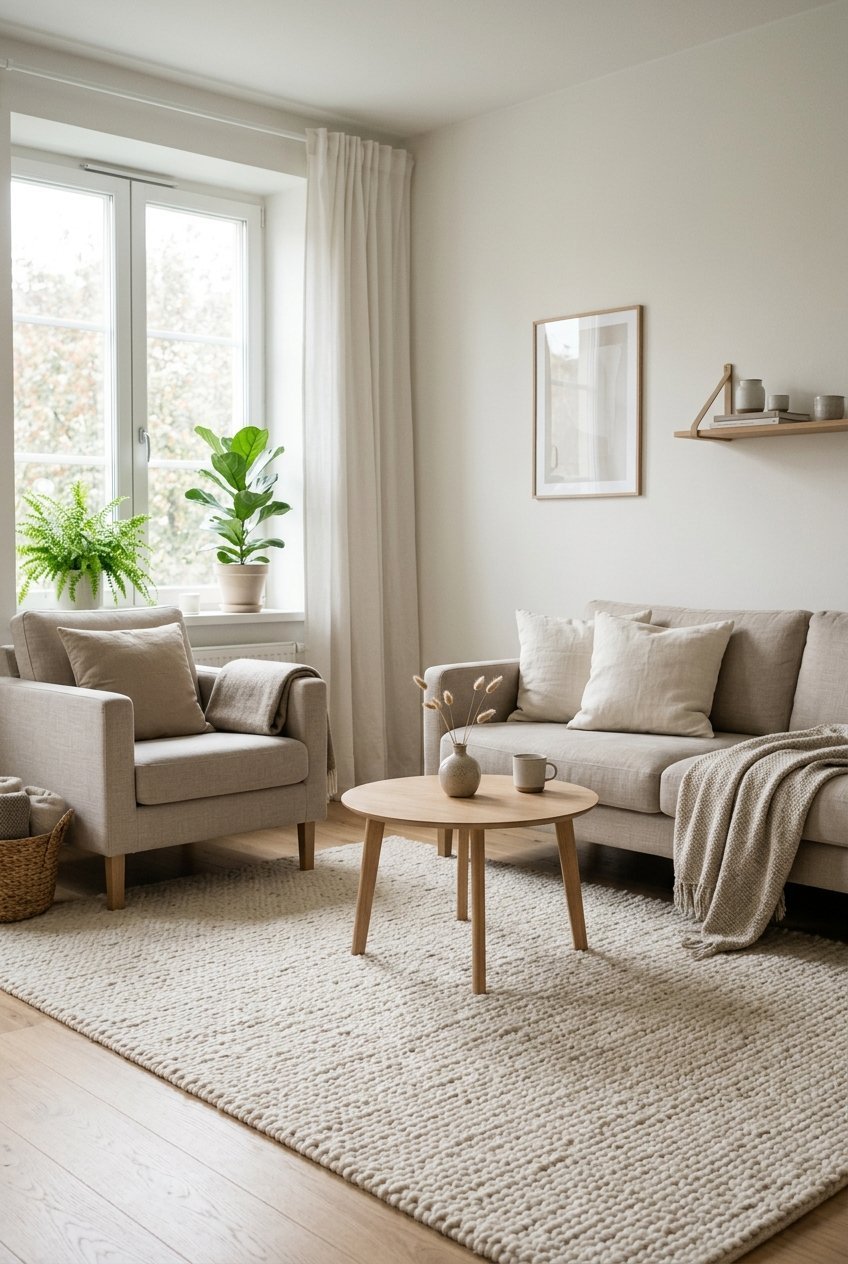
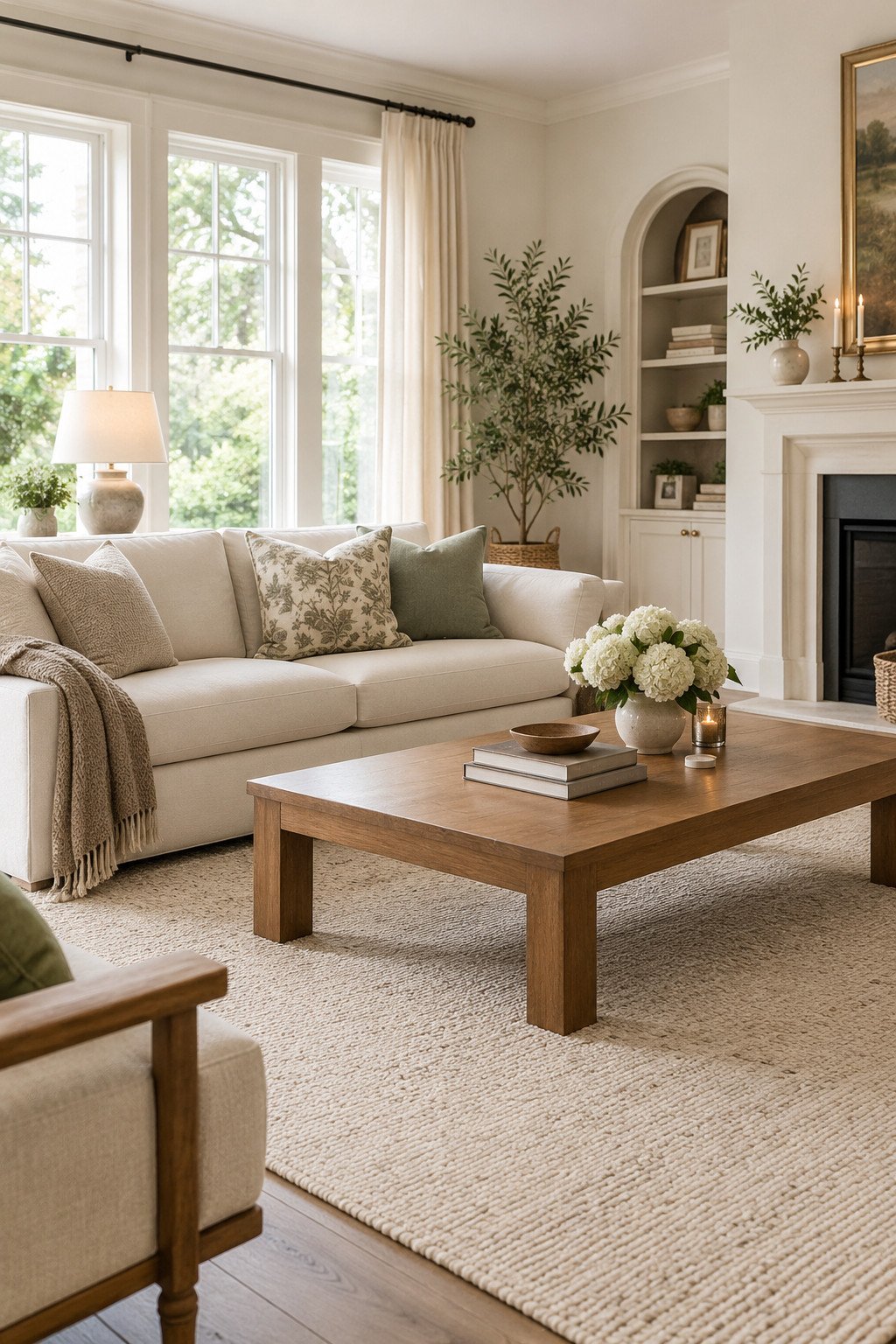
For a calm, quiet room, a wool rug in cream, oatmeal, or soft beige is a safe and long-lasting pick. Wool is naturally durable and resists stains better than many synthetic fibers, which is why it has stayed a staple for so long.
Look for a rug with a subtle texture or tonal pattern rather than a completely flat color. That small amount of detail keeps a neutral rug from looking plain.
4. An Oversized Rug With the Right Proportions
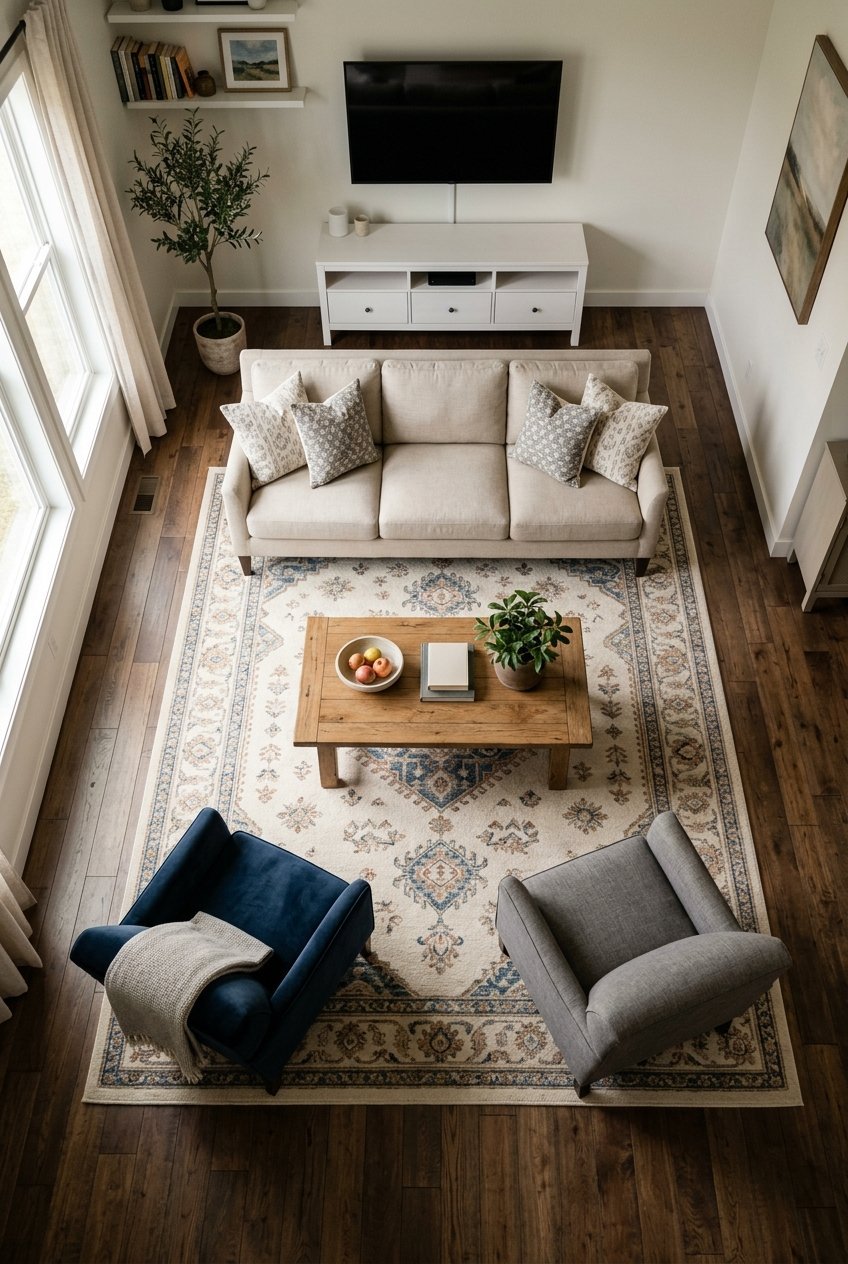
Size is the most common mistake with living room rugs. A rug that is too small looks like a doormat floating in the middle of the room. As a general rule, the front legs of the sofa and chairs should sit on the rug, which usually means an 8 by 10 or 9 by 12 in an average living room.
Leave roughly 12 to 18 inches of bare floor around the edges so the rug looks framed instead of crowded against the walls. If you are between two sizes, go larger. A bigger rug also makes a smaller room feel more open.
5. Layered Rugs
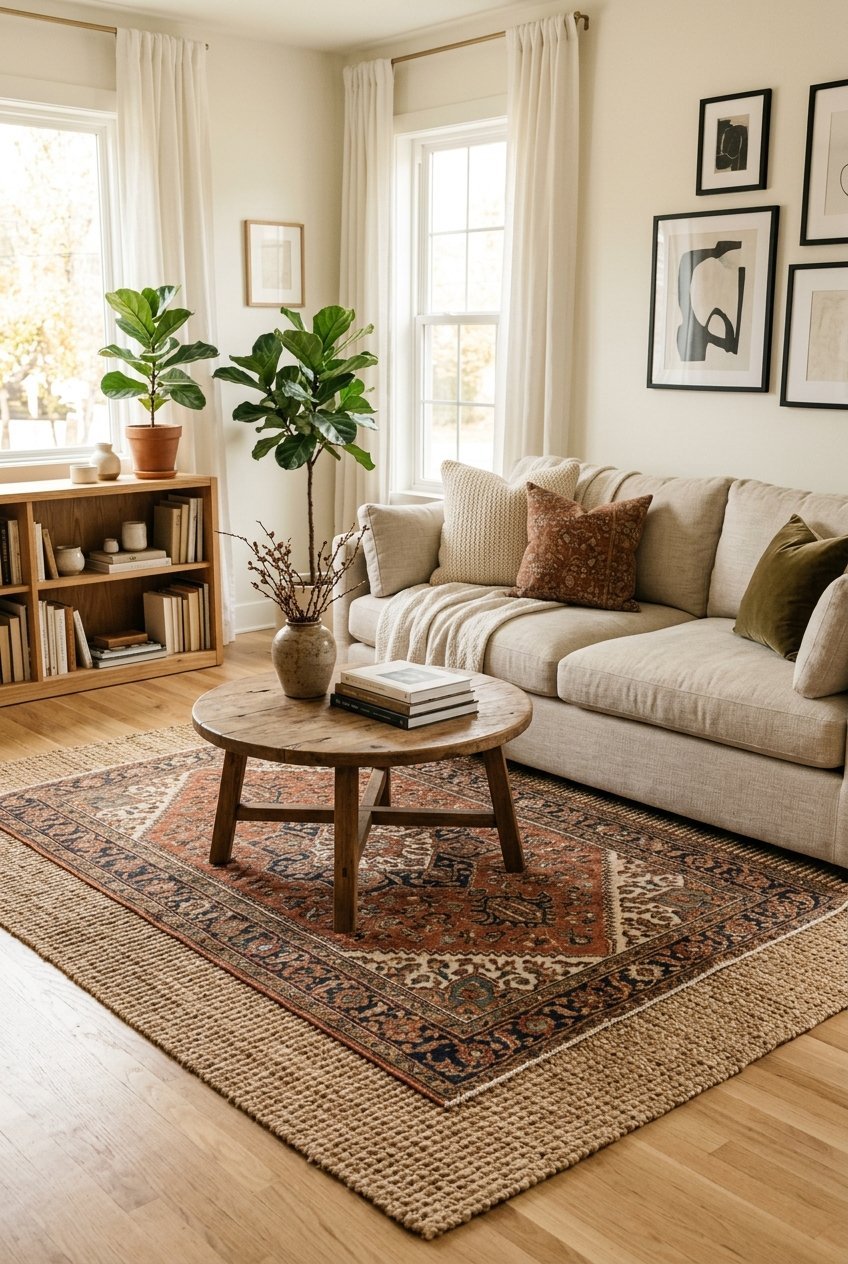
Layering a smaller patterned rug on top of a larger neutral one adds depth and lets you try a bold pattern without committing to a full-size version. A large jute or flatweave base with a vintage rug on top is a combination that shows up often in designer rooms.
Keep the bottom rug simple and let the top one carry the pattern. Use a thin rug pad between them so the top layer does not slide or bunch up.
6. Geometric and Patterned Rugs
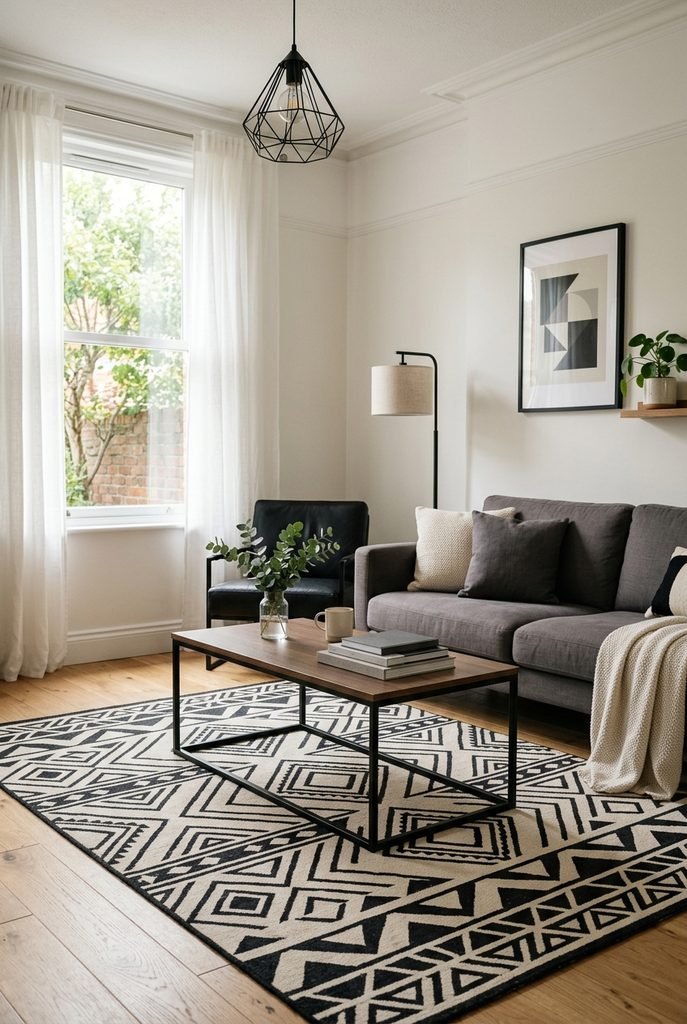
A geometric rug in black and cream, or a similar high-contrast palette, gives a modern living room a graphic focal point. It works best when the rest of the room stays fairly plain, so the rug is the one thing with energy.
Smaller, busier patterns hide spills and crumbs better than a large solid color, which makes them a practical choice as well as a stylish one.
7. Soft, High-Pile Rugs
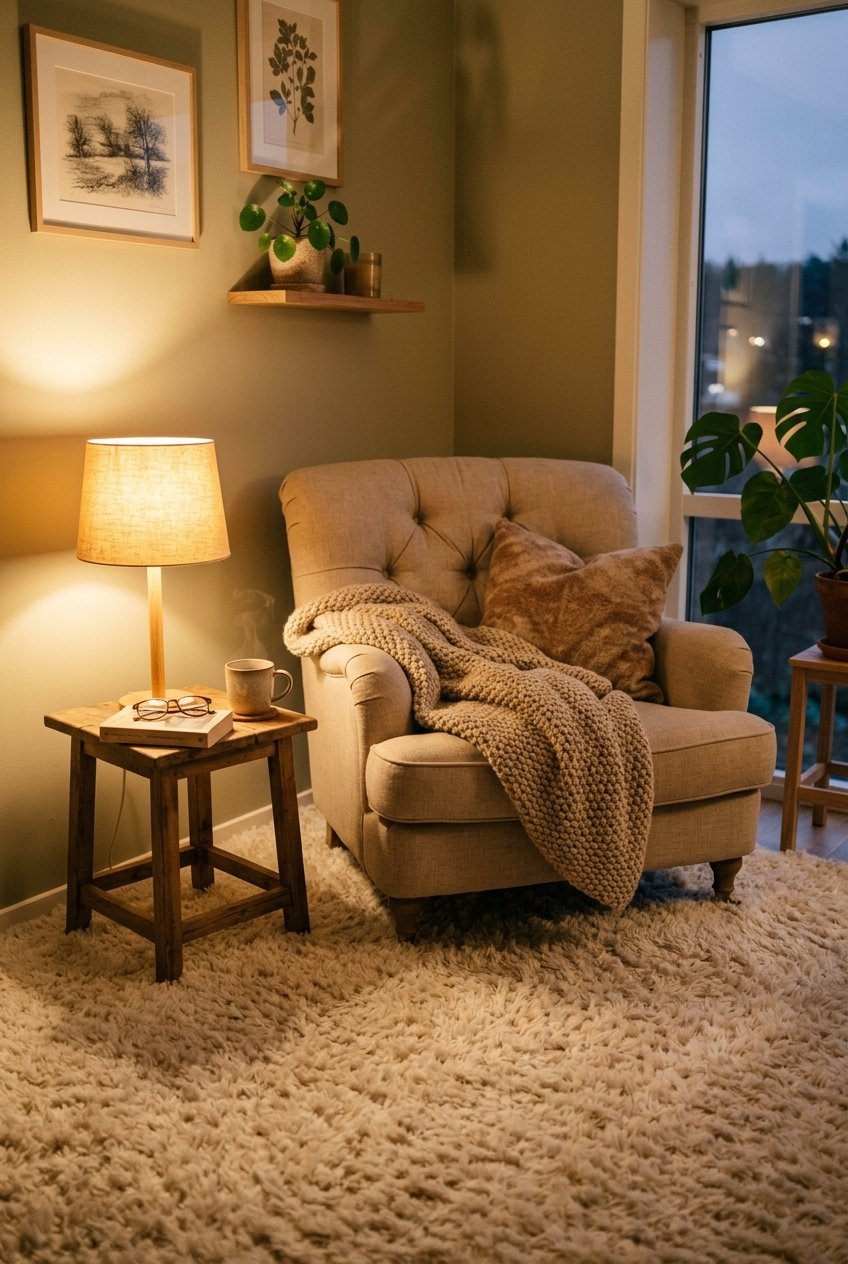
If comfort is the main goal, a thick high-pile rug is hard to beat. It feels good underfoot and makes a reading corner or a spot in front of the sofa feel inviting, especially in rooms with cold hard floors.
The trade-off is upkeep. High-pile rugs collect crumbs and pet hair and need regular vacuuming with the beater bar turned off. They also make it harder to roll a cart or slide a chair. Many people use one in a smaller zone rather than under the whole seating area.
8. Washable Rugs for Busy Households
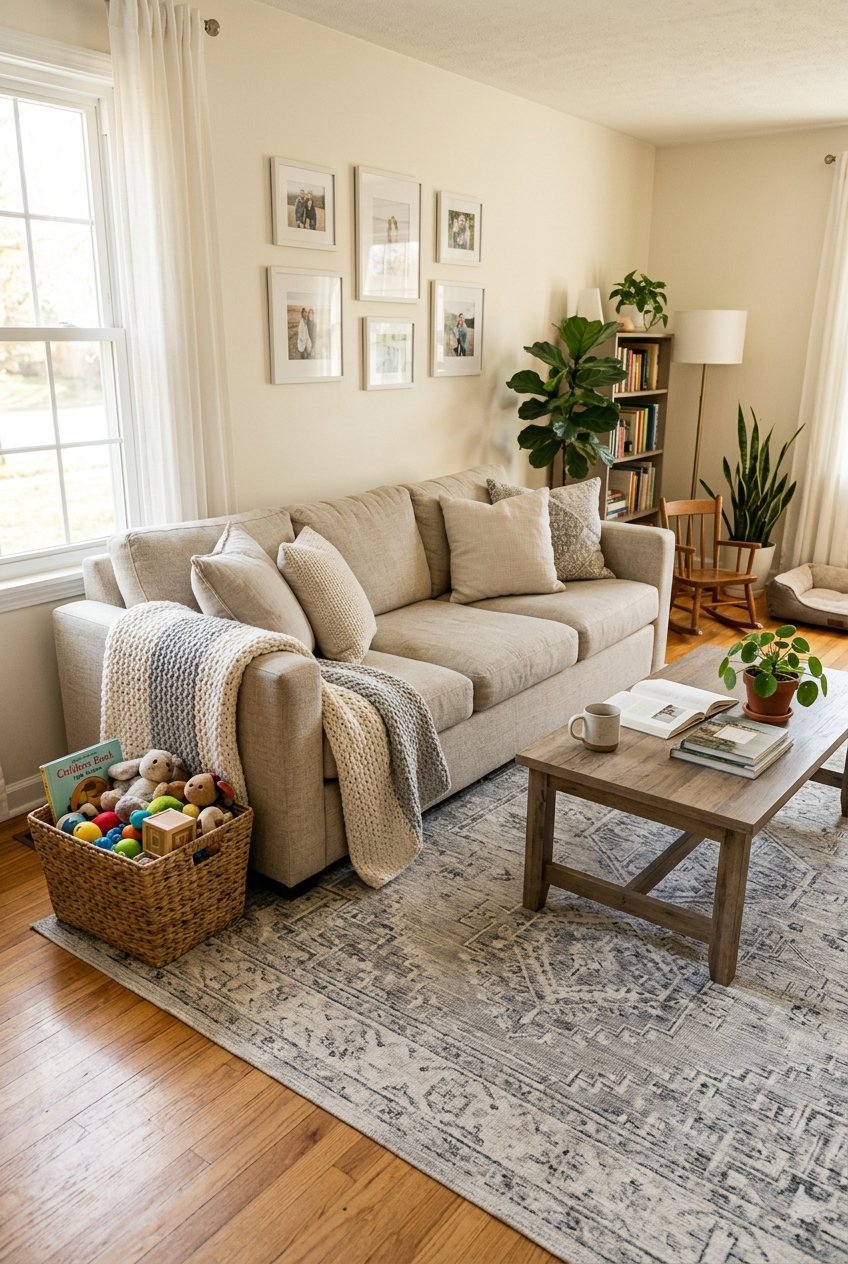
Machine-washable rugs have become a go-to for homes with kids, pets, or anyone who eats in the living room. Most are flat-woven or low-pile, so they sit neatly under furniture and clean up with a spin in the washing machine instead of a professional service.
They tend to be a little thinner than wool or jute, so a good rug pad is worth adding for grip and comfort. Check the washing instructions for size limits before buying a larger rug.
9. Bold Color or Abstract Rugs
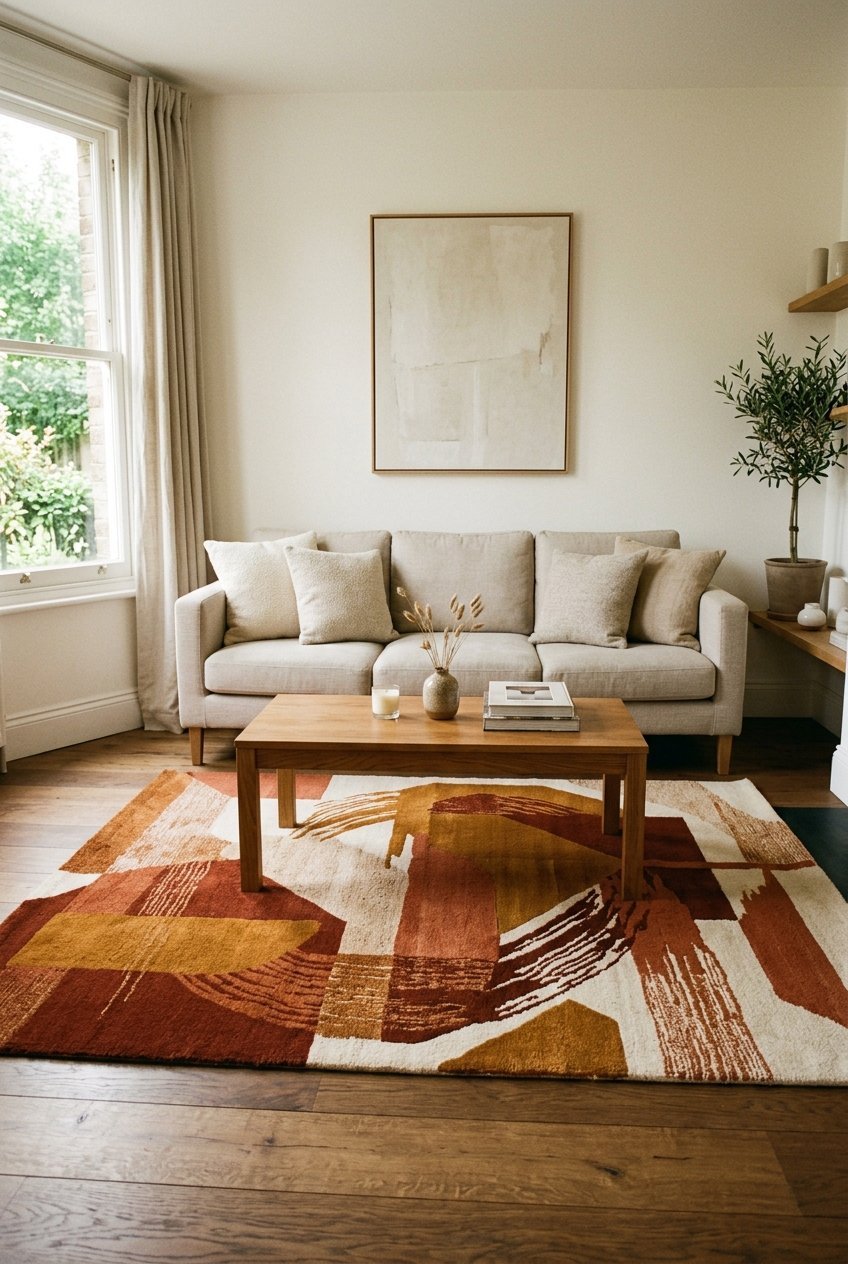
A rug with strong color is the easiest way to add personality to a room that is otherwise neutral. Rust, ochre, deep blue, and olive all work as a single bold element in a cream or gray room, and abstract designs feel current without being tied to one trend.
Pull one or two shades from the rug into small details like cushions or a vase so the color feels planned instead of random.
How to Pick the Right Rug for Your Room
Start with size and the way the room is used, then move on to material and style. A family room needs something durable and easy to clean, while a quiet adult space can handle softer or more delicate fibers. If you are still working out the rest of the room, our guide to living room decor mistakes that make a space feel smaller covers other common slip-ups, and our piece on modern minimalist living room ideas shows how a simple rug fits into a calm layout.
For more living room inspiration, follow along on Pinterest.
Frequently Asked Questions
What size rug should I get for my living room?
For most living rooms, an 8 by 10 or 9 by 12 works best. The front legs of the sofa and chairs should rest on the rug, with about 12 to 18 inches of bare floor visible around the edges.
Should a rug go under the sofa?
Yes, at least the front legs. Having all the furniture legs on the rug is the most polished look, but front legs only is a good option when the room is a bit smaller.
What is the most durable rug material for a living room?
Wool is one of the most durable natural options and resists stains well. Polypropylene and other synthetic blends are also tough and often cheaper, which makes them a good fit for busy rooms.
Do I need a rug pad?
In most cases, yes. A rug pad keeps the rug from slipping, protects the floor, and adds cushioning. It also helps the rug last longer by reducing wear from foot traffic.
Can I layer rugs in a living room?
You can, and it often looks great. Put a larger, simple rug on the bottom and a smaller patterned one on top. A thin pad between the layers keeps everything flat and in place.
How do I keep a light-colored rug clean?
Vacuum it regularly, treat spills right away with a blotting motion, and pick a washable or stain-resistant material if the room sees heavy use. A patterned light rug hides marks better than a solid one.