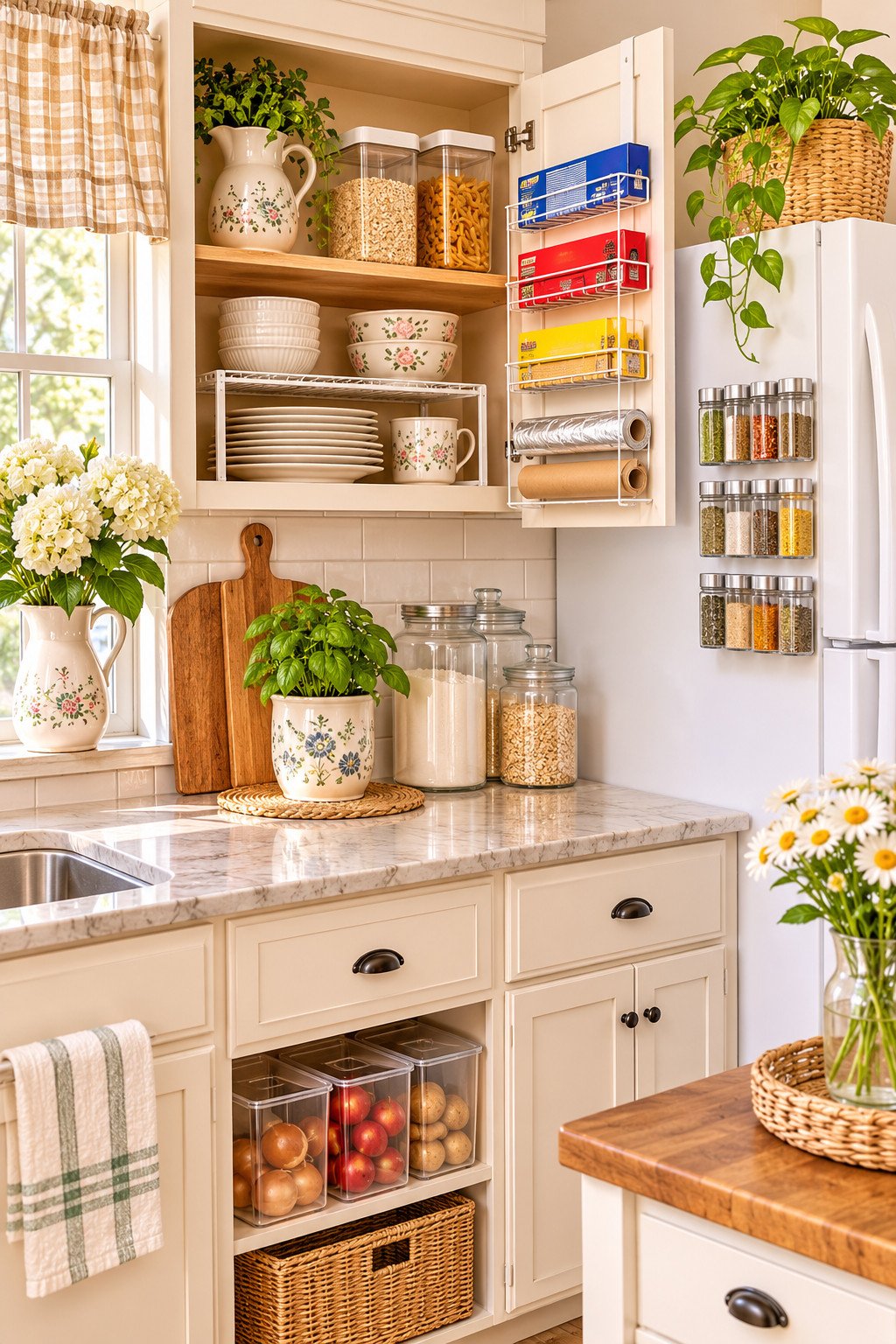
Woven, plastered, ribbed, and embossed finishes that give a flat wall real depth, with no brush or roller in sight.
Textured wallpaper ideas are the quickest way to make a room look finished without picking up a paint can. Paint changes the color of a wall. Texture changes how the wall feels, and how light moves across it. A plain wall with a woven or plastered surface reads as expensive, even when the paper itself was a smart, modest buy.
These nine textured wallpaper ideas cover a range of looks, from natural fiber to faux plaster to a ribbed wood effect. Each one comes with notes on where it works best and how to style it. Most are also kind to renters, since many now come in peel-and-stick versions.
Table of Contents
1. Grasscloth, the Classic of Textured Wallpaper Ideas
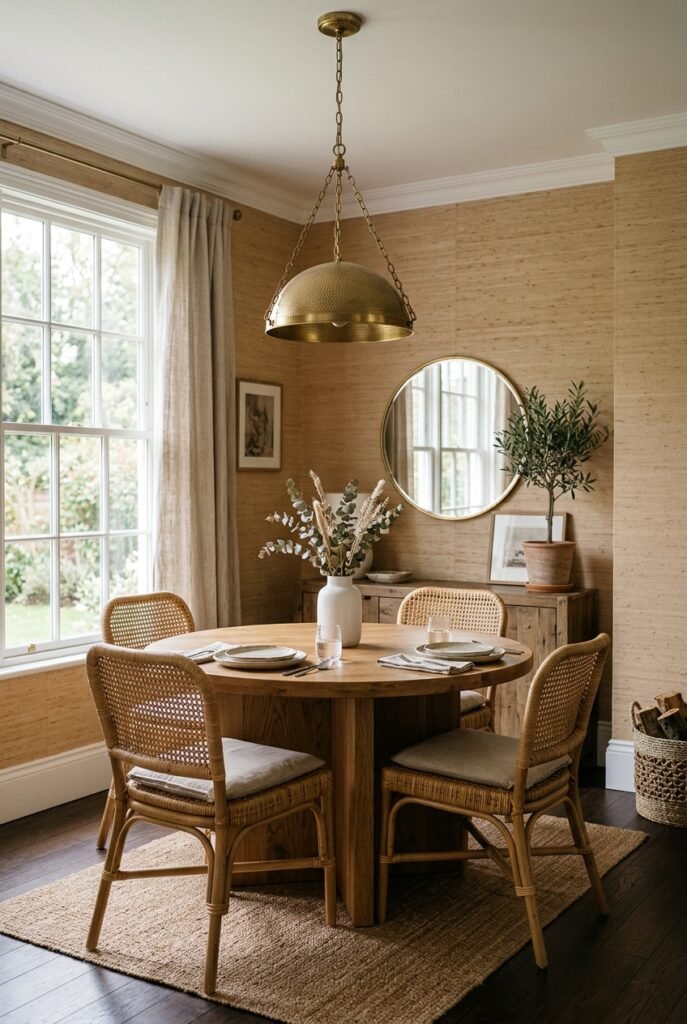
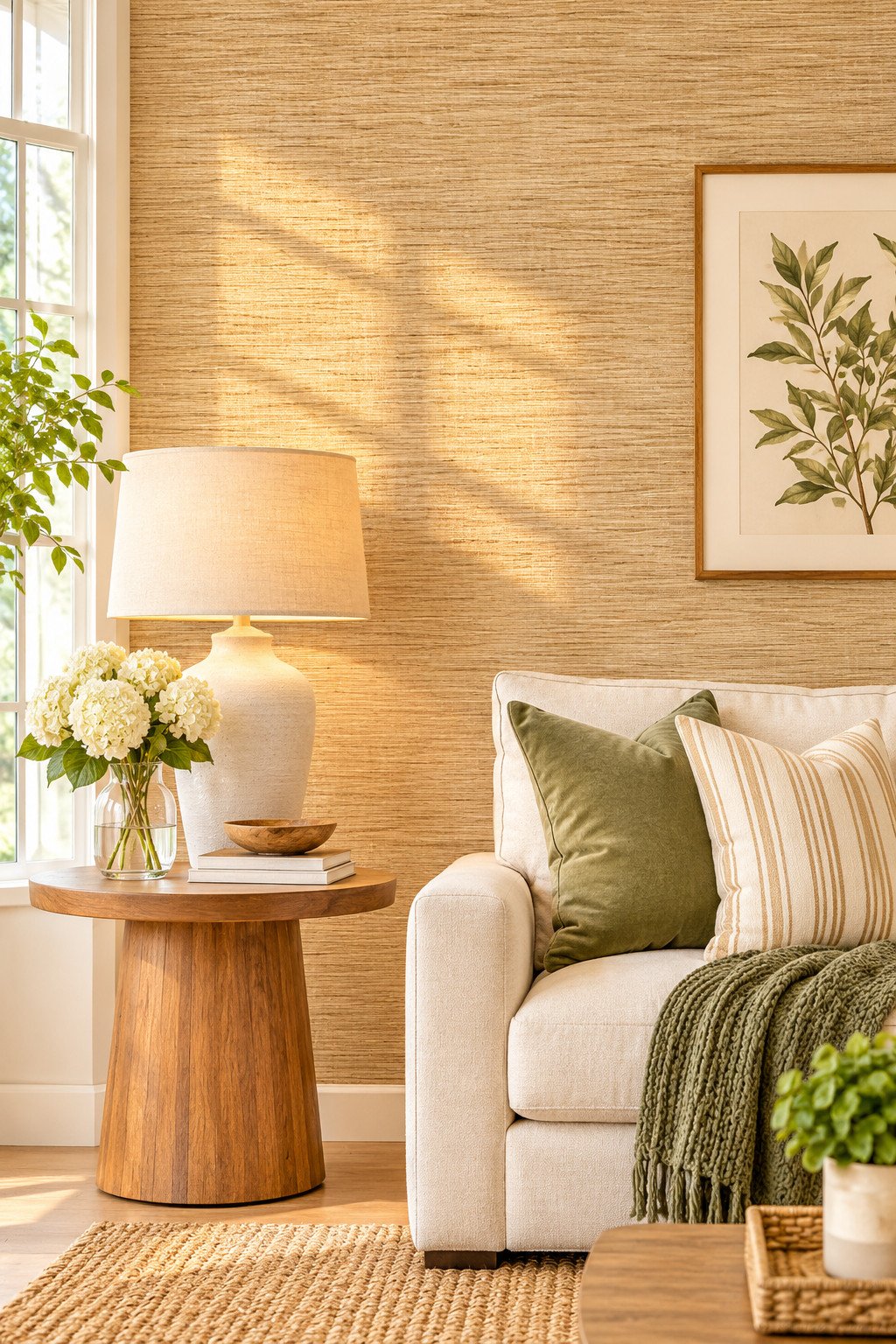
Grasscloth is woven from natural fibers such as jute, sisal, or arrowroot, so every roll has small variations in tone and thickness. That slight irregularity is what makes the wall look rich. It reads as warm and organic, and it works in almost any style from modern to traditional.
It suits dining rooms, studies, and living rooms, where the walls are not splashed or touched much. Keep it out of bathrooms and kitchens, because natural fiber does not like moisture and is hard to clean. Seams are visible by design, and it needs careful hanging, so many people hire a professional.
Style it with wood, rattan, and linen. A brass fixture or a plain white ceiling keeps the room from feeling heavy. If you want the look in a wet space, choose a vinyl grasscloth-look paper instead.
2. Linen-Look Woven Vinyl

A linen-look wallpaper has a fine woven surface that feels like fabric on the wall. It is quiet and tailored, and the subtle weave hides small flaws better than a flat painted finish. Gray, oatmeal, and soft blue are the easiest colors to live with.
It suits bedrooms, hallways, and offices, and it handles wiping better than real fabric. Choose a vinyl or non-woven version for easy care. A wall behind the bed in linen texture works like a calm headboard backdrop.
Layer it with white or ivory bedding and a few wood pieces. Since the pattern is soft, it pairs well with stronger colors in art and textiles.
3. Faux Plaster for a Limewash Effect
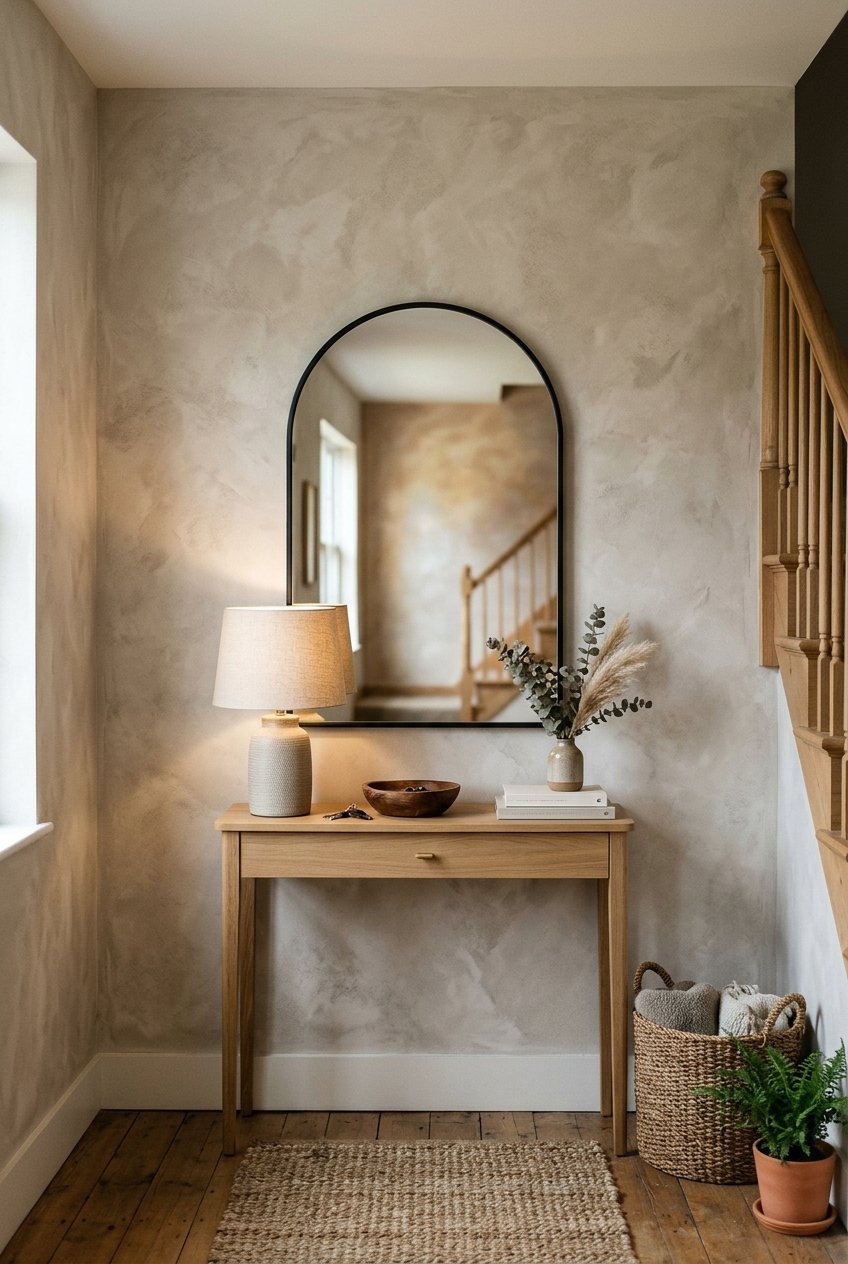
Faux plaster wallpaper copies the soft, cloudy look of limewash or Venetian plaster without the cost or the mess. The surface has gentle variation in tone, so walls look aged and handmade. Warm greige, clay, and sand are the most popular shades.
It suits entryways, living rooms, and dining rooms where you want a quiet, upscale feel. It also looks great in a bedroom. The look is forgiving because there is no repeat to match, which makes it one of the easier textured wallpaper ideas to hang yourself.
Keep the furniture simple and natural, with wood, stone, and linen. Place a lamp or sconce nearby so the light grazes the wall, since that makes the plaster effect stand out.
4. Bouclé or Nubby Fabric Look
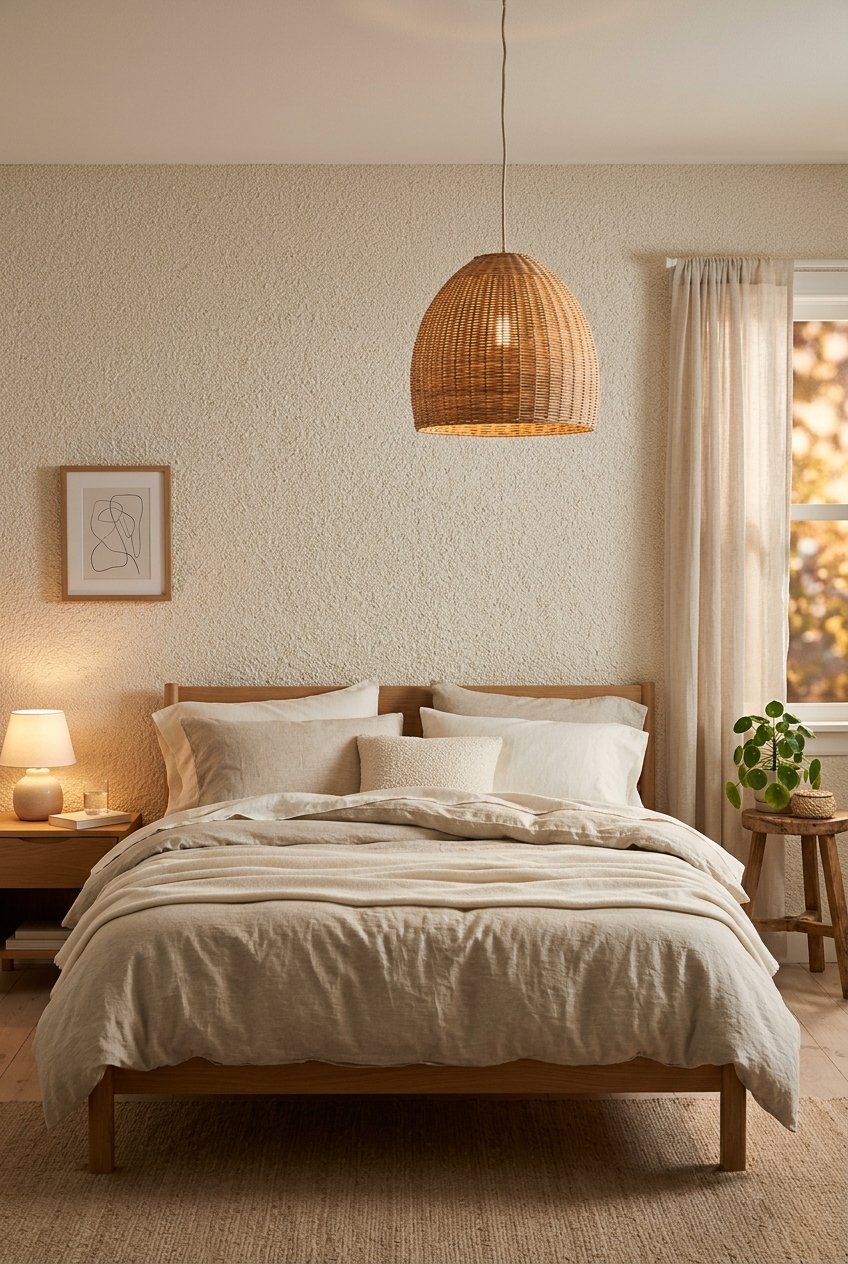
A bouclé-look wallpaper has small raised loops that mimic nubby fabric. It feels soft and cozy even though it is paper, and it suits the creamy, textured trend seen in many modern bedrooms.
It works best as a feature wall behind a bed, around a reading nook, or inside an alcove. A full room in a strong nubby texture can feel busy, so use it on a single wall. Ivory and warm cream give the calmest result.
Pair it with layered bedding in similar tones, a woven pendant, and a wool rug. For more ideas on deeper bedroom palettes, our guide to moody bedroom colors shows how to build a restful room around rich shades.
5. Fluted or Ribbed 3D Texture
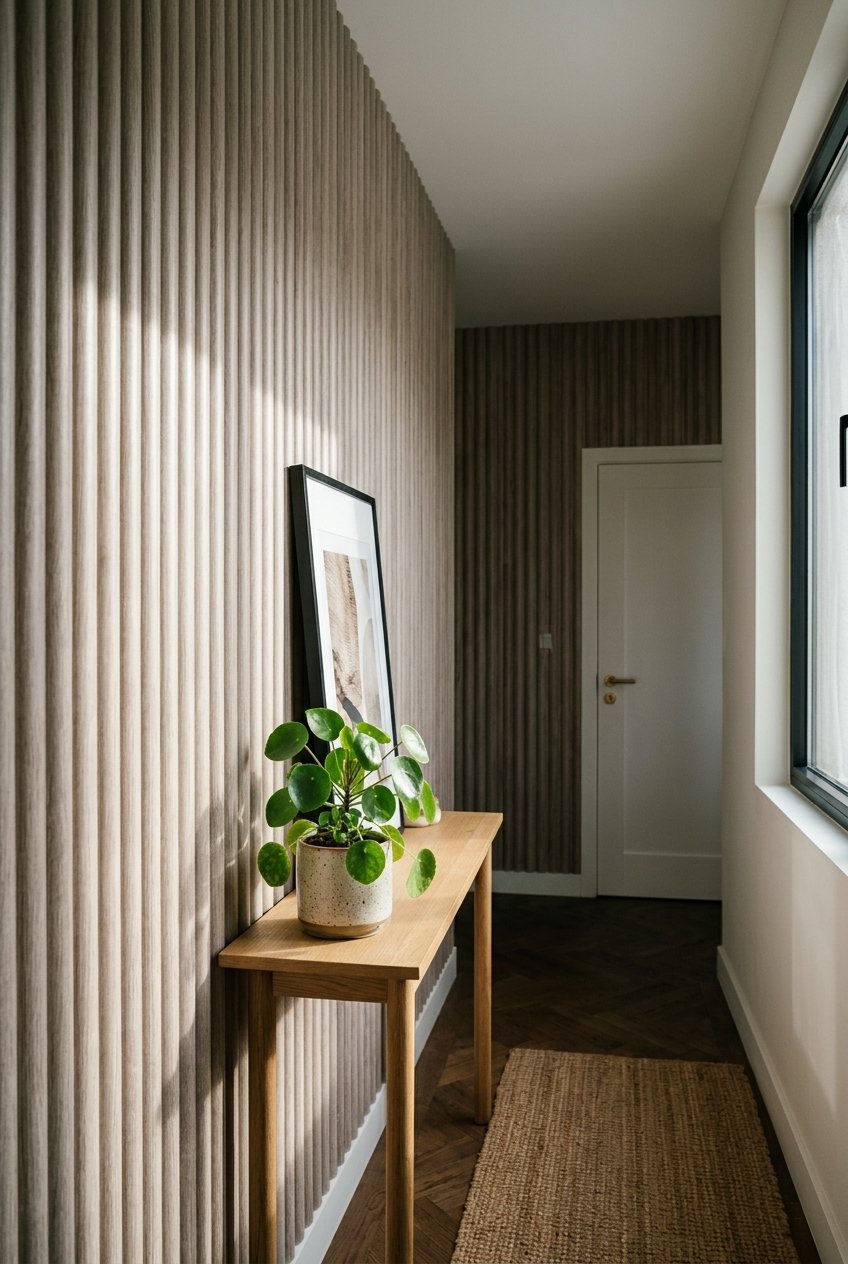
Fluted wallpaper has vertical ribs that look like wood paneling at a fraction of the price and weight. The lines add height and rhythm to a wall, and the shadows shift through the day as the light changes.
It suits hallways, media walls, dining rooms, and the wall behind a sofa. It works well in narrow spaces, since the vertical lines draw the eye up. Taupe, soft green, and warm walnut tones all look good.
Keep decor minimal so the ribs can do the talking. A slim console, a mirror, and one plant are enough. For more ways to make a living space feel high-end, take a look at our guide to modern living room decor ideas.
6. Faux Brick or Stone
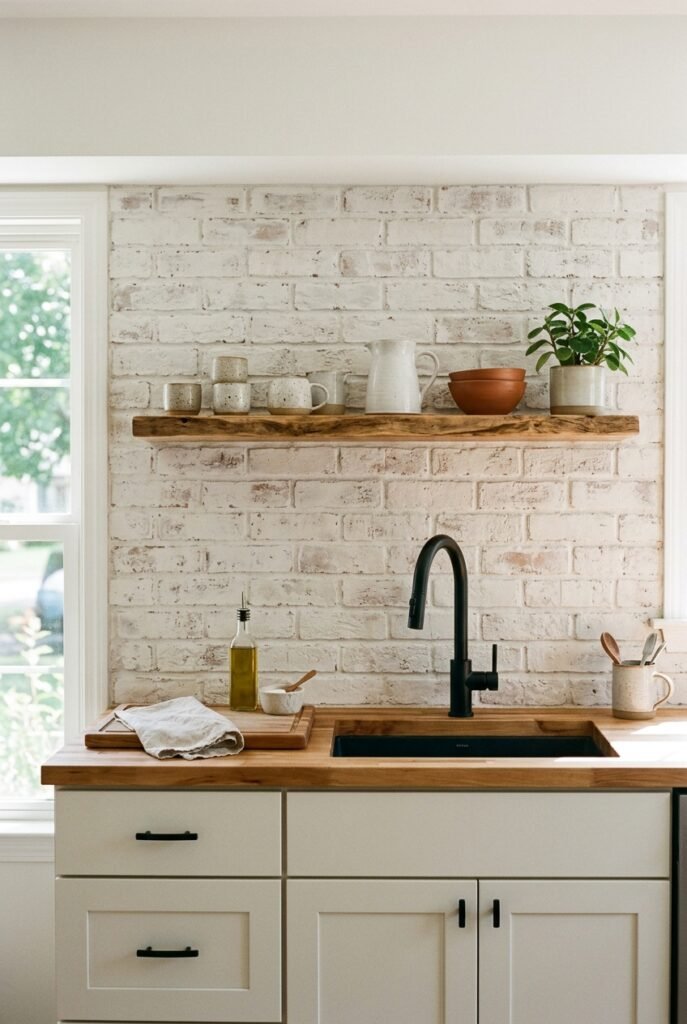
Faux brick and stone wallpaper gives you the character of a masonry wall without any construction. Whitewashed brick feels relaxed and bright, while stacked stone feels more rugged. The embossed surface has real shadows and depth.
It suits kitchens, breakfast nooks, basements, and entryways. In a kitchen, keep it away from the stove and any direct splash, and choose a vinyl type that wipes clean. Peel-and-stick versions are popular with renters.
Style it with butcher block, black hardware, and open shelves. White or cream brick keeps a small space light, while a darker brick suits a den or media room.
7. Wood-Grain or Plank Look
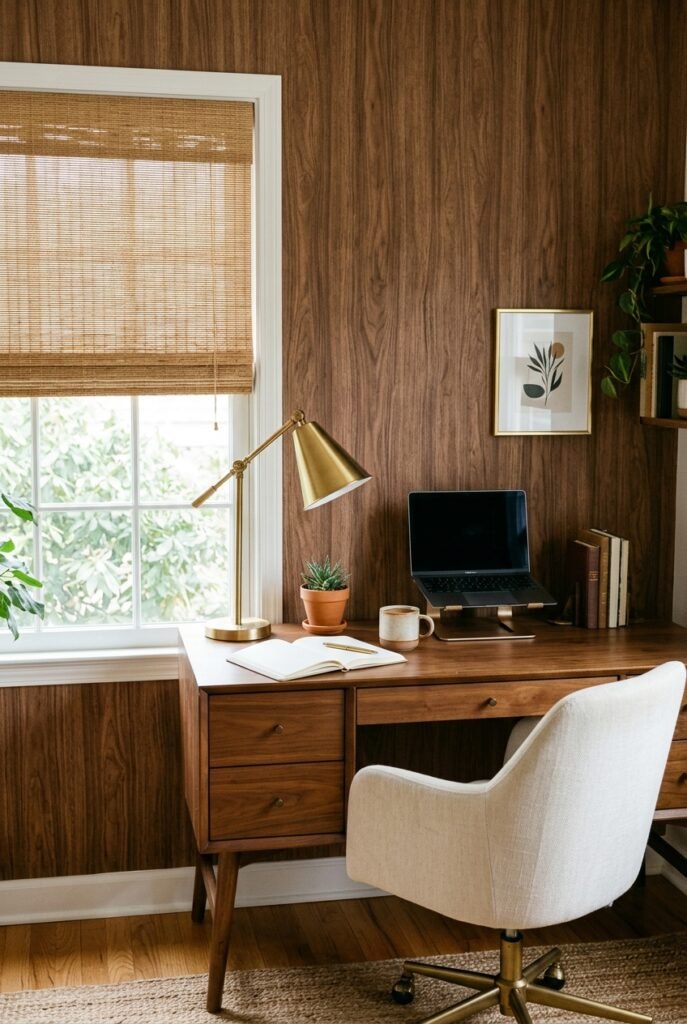
A wood-grain textured wallpaper adds warmth and a library feel to a room, with none of the installation cost of real paneling. The best versions have embossed grain that you can see and feel, in tones from pale oak to deep walnut.
It suits home offices, dens, and bedrooms, and it looks great behind a desk, where it gives video calls a polished backdrop. Match the wood tone to your furniture, or choose a slightly different shade so the two do not clash.
Add brass or black accents and a woven shade at the window. If you are working with a small study, keep the other walls light so the wood tone has room to stand out.
8. Embossed Tone-on-Tone Patterns
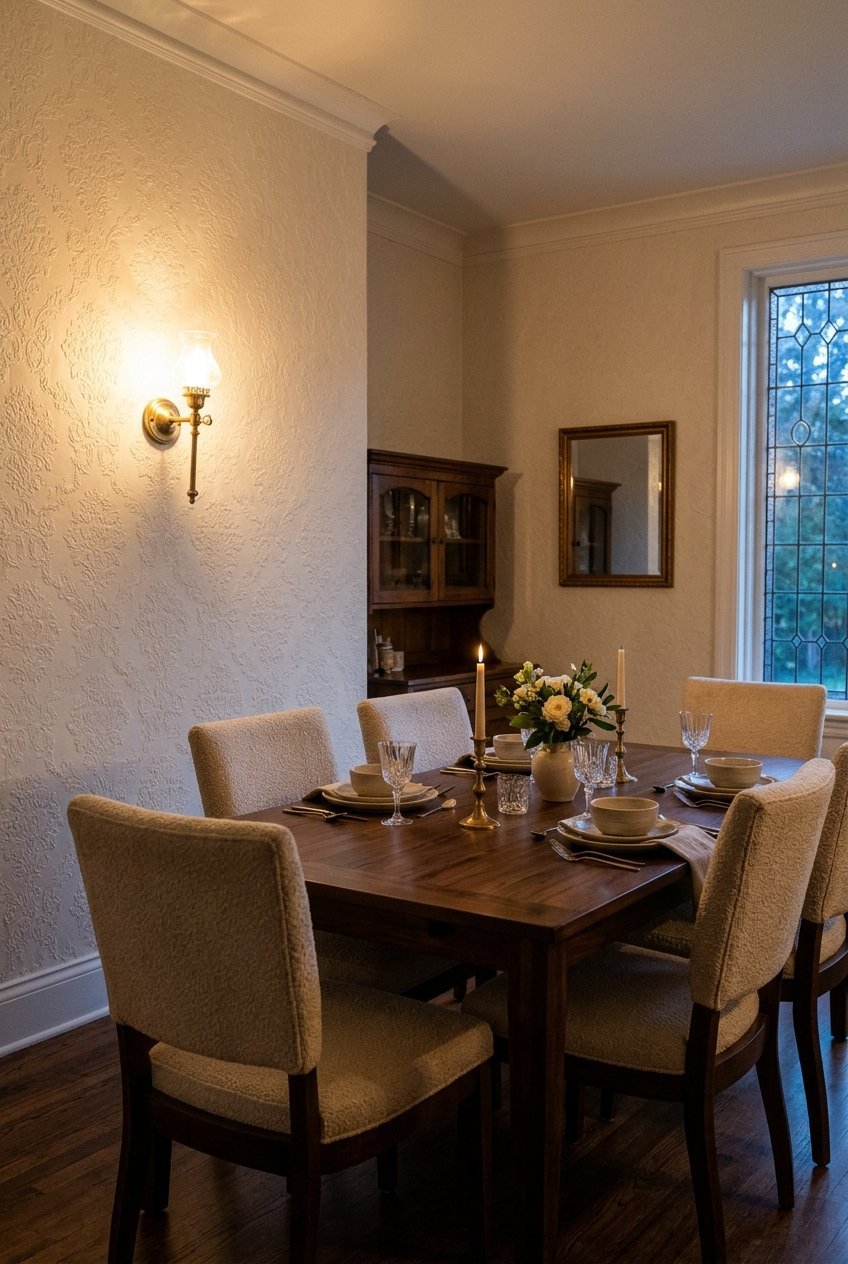
An embossed pattern in the same color as the background, such as ivory damask on ivory, gives a wall quiet detail. From across the room it looks plain. Up close, the raised pattern catches the light and adds depth.
It suits dining rooms, formal living rooms, and powder rooms. It is a smart choice for anyone who loves pattern but wants a calm room. Sconces and candles bring out the raised design in the evening.
Choose a classic color like ivory, soft gray, or pale gold, and pair it with dark wood or upholstered chairs for contrast. For a smaller room, our guide to small bathroom wallpaper ideas shows how patterned papers work in compact spaces.
9. Texture in a Niche or on the Ceiling
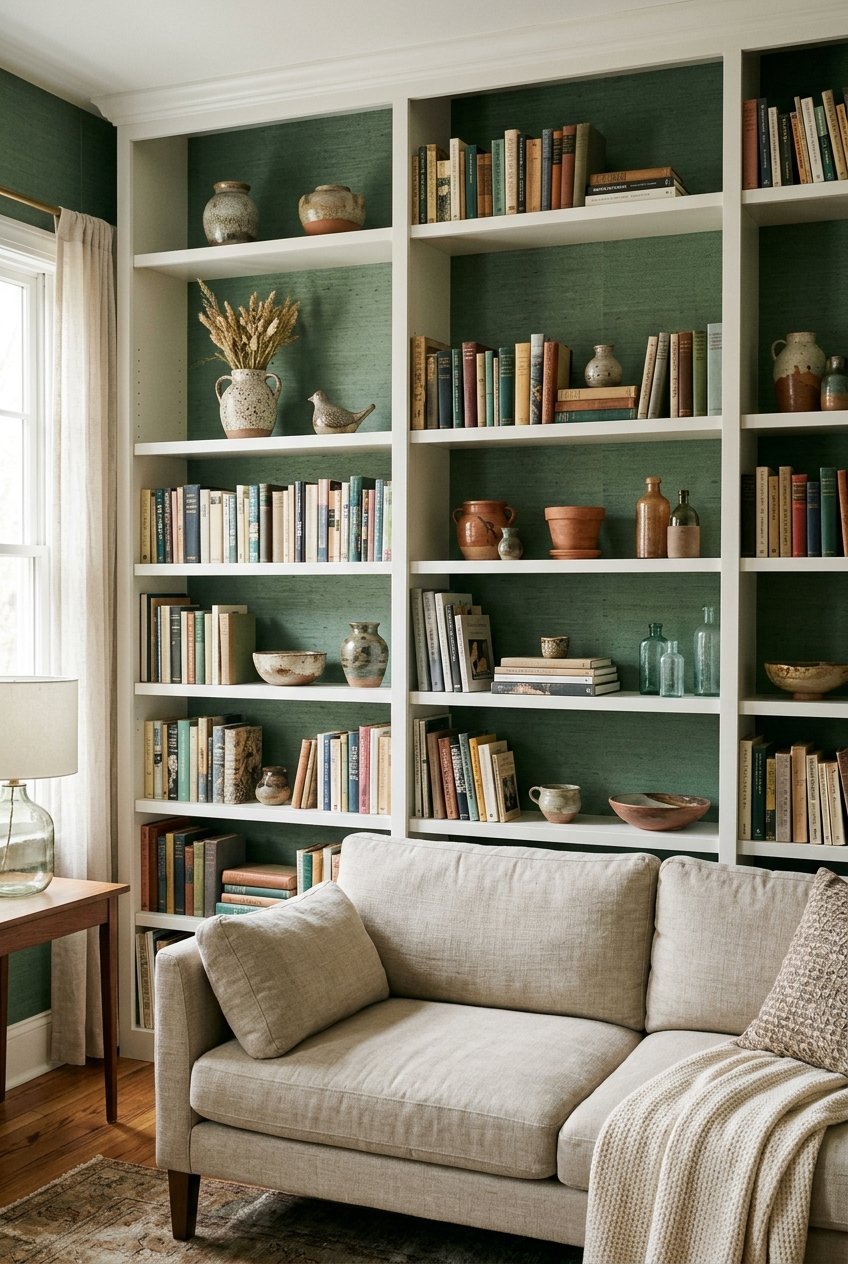
You do not need to cover a whole wall. Lining the back of a bookcase, a built-in shelf, or an alcove with textured wallpaper gives a room instant depth for the price of one roll. It makes the objects on the shelves stand out and adds a custom look.
A textured ceiling is another smart option. A soft woven or plaster-look paper overhead adds a surprise without crowding the walls. Ceiling work is harder to hang, so plan on help, and use a paper made for the job.
This idea suits anyone who is nervous about a full wall, or who has only a small amount of budget. Choose a color a shade deeper than the room, such as dusty green or warm clay, so the niche reads as a deliberate detail.
Before You Hang: Walls, Light, and Seams
Texture looks best on a smooth, clean wall. Fill holes, sand rough spots, and wipe away dust and grease. Prime the wall with a wallpaper primer if the manufacturer recommends it, since it helps the paper stick and makes it easier to remove later. A heavily textured wall may need skim coating before you hang the paper.
Think about light. Textured wallpaper looks best when light skims across it, from a window or a sconce on the same wall. A flat overhead light hides the surface. Order a sample, tape it up, and check it in the morning and evening.
Order extra, since dye lots can vary between batches, and keep a spare roll for repairs. For renters, peel-and-stick textured wallpaper is the easiest option. It works best on smooth painted walls, and you should check your lease before you start. In humid rooms, choose a vinyl or moisture-resistant paper and run the exhaust fan.
If you want to keep building the look, our guide to luxury interior design ideas shows how materials and lighting work together, and our post on house interior design ideas for every room helps you carry the style through the whole home. For more affordable upgrades, see home decor ideas that make a home look expensive.
For more wallpaper and home inspiration, follow along on Pinterest.
Frequently Asked Questions
What is textured wallpaper?
Textured wallpaper has a raised or woven surface that you can see and feel. Examples include grasscloth, linen-look weaves, faux plaster, embossed vinyl, and fluted panels. The texture adds depth and catches the light.
Does textured wallpaper hide wall imperfections?
It helps hide small flaws like minor bumps and uneven paint, because the surface breaks up the light. Large cracks and holes still need to be filled first, and a very rough wall may need skim coating before you hang the paper.
Can you use textured wallpaper in a rental?
Yes. Peel-and-stick textured wallpaper is made for renters and comes off without paste on smooth painted walls. Check your lease, test a small piece first, and avoid rough or freshly painted walls.
Is grasscloth wallpaper hard to maintain?
It needs gentle care. Dust it lightly with a soft brush or vacuum attachment, and avoid water, since natural fibers stain and warp. It is best in dry rooms like dining rooms, offices, and bedrooms.
What rooms suit textured wallpaper best?
Living rooms, bedrooms, dining rooms, hallways, and offices all work well. In kitchens and bathrooms, choose a vinyl or moisture-resistant paper, and keep it out of direct splash zones.
Can textured wallpaper be painted over?
Some can. Paintable textured wallpapers are made for that, but most decorative papers are not. Check the label, since painting over the wrong kind can ruin the finish and make removal harder.