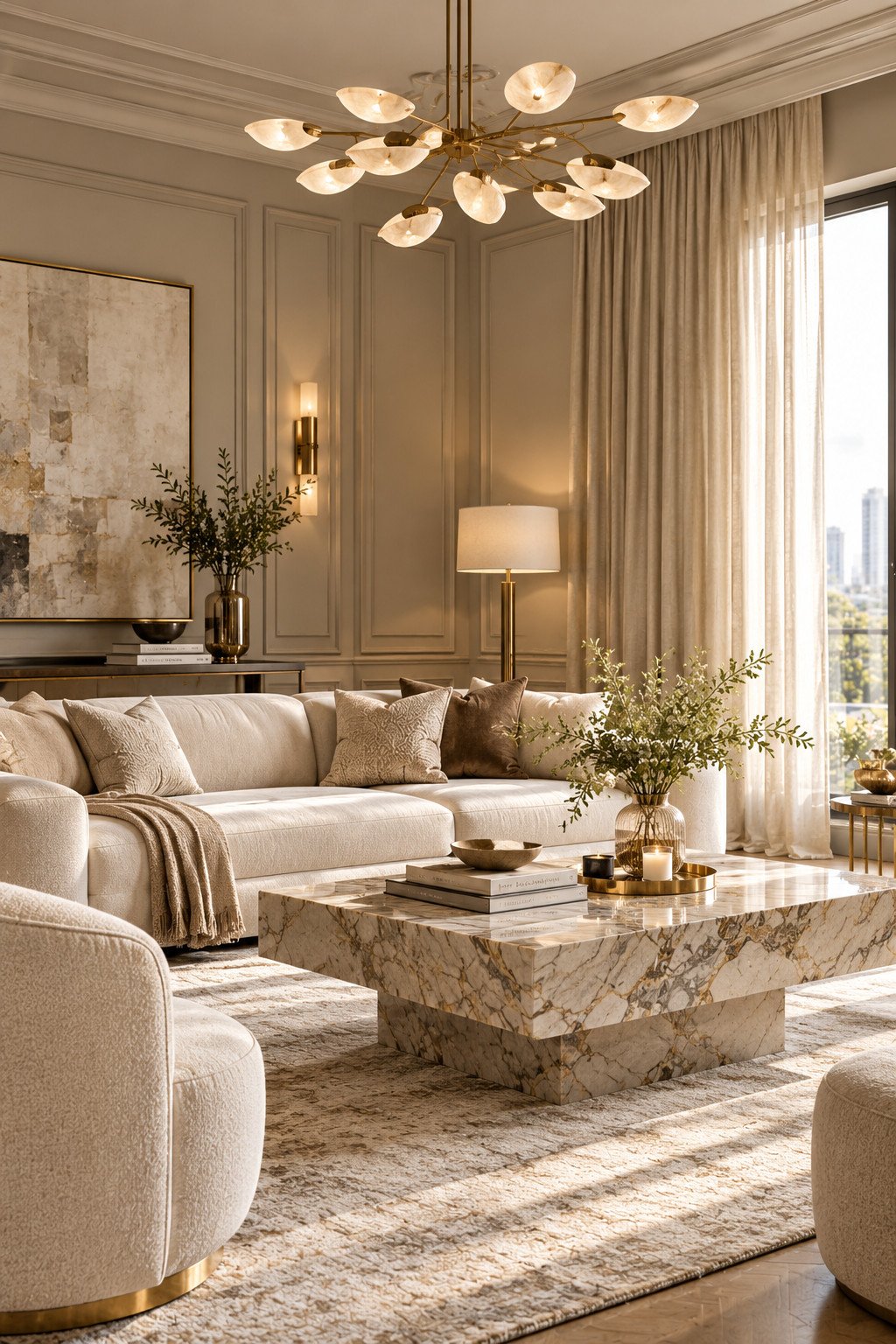
Smart furniture and layout choices that give you a real workspace and a real guest bed in the same room.
A home office guest room combo is one of the most practical answers to a spare room that has to do too much. Most homes do not have space for a separate office and a separate guest bedroom, so one room ends up carrying both jobs. When it is planned well, you get a calm place to work during the week and a comfortable bed for visitors on weekends.
The trouble is that a rushed setup usually fails at one side or the other. You end up with a desk jammed beside a sofa bed, or a guest room that looks like a storage closet. These nine home office guest room combo ideas show how to make both halves work without either one getting in the way.
Table of Contents
1. A Murphy Bed for a Home Office Guest Room Combo
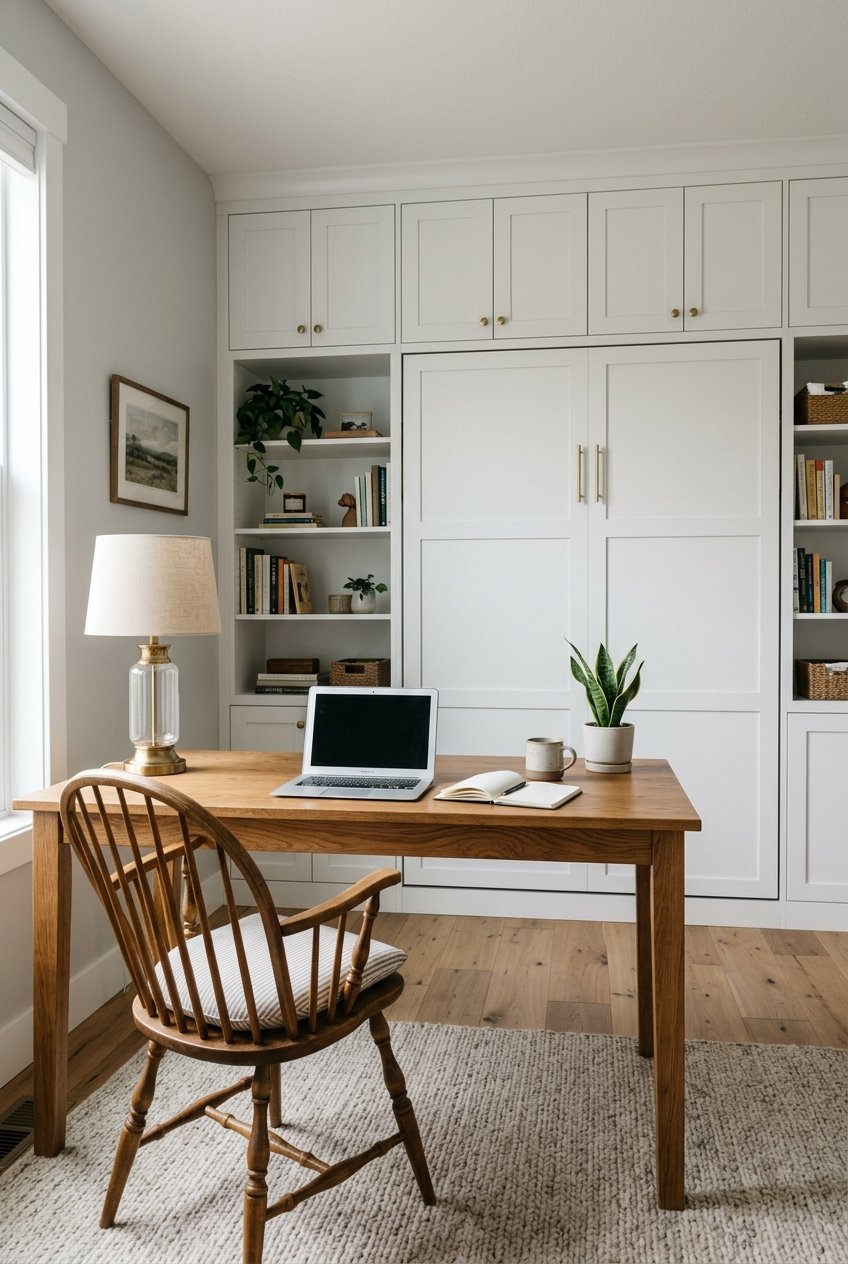
A murphy bed is the strongest choice if you want the room to feel like a full office most of the time. When it is folded up, the bed disappears into a cabinet and you keep the entire floor free for your desk, chair, and a bit of movement. When guests arrive, it lowers and the room becomes a bedroom.
Check the depth and the clearance before you buy. A murphy bed cabinet is usually somewhere around 16 to 20 inches deep, and the bed needs open floor space when it comes down. Many designs come with side shelves or a built-in desk, so you can fit everything on one wall.
2. A Daybed With Storage Drawers
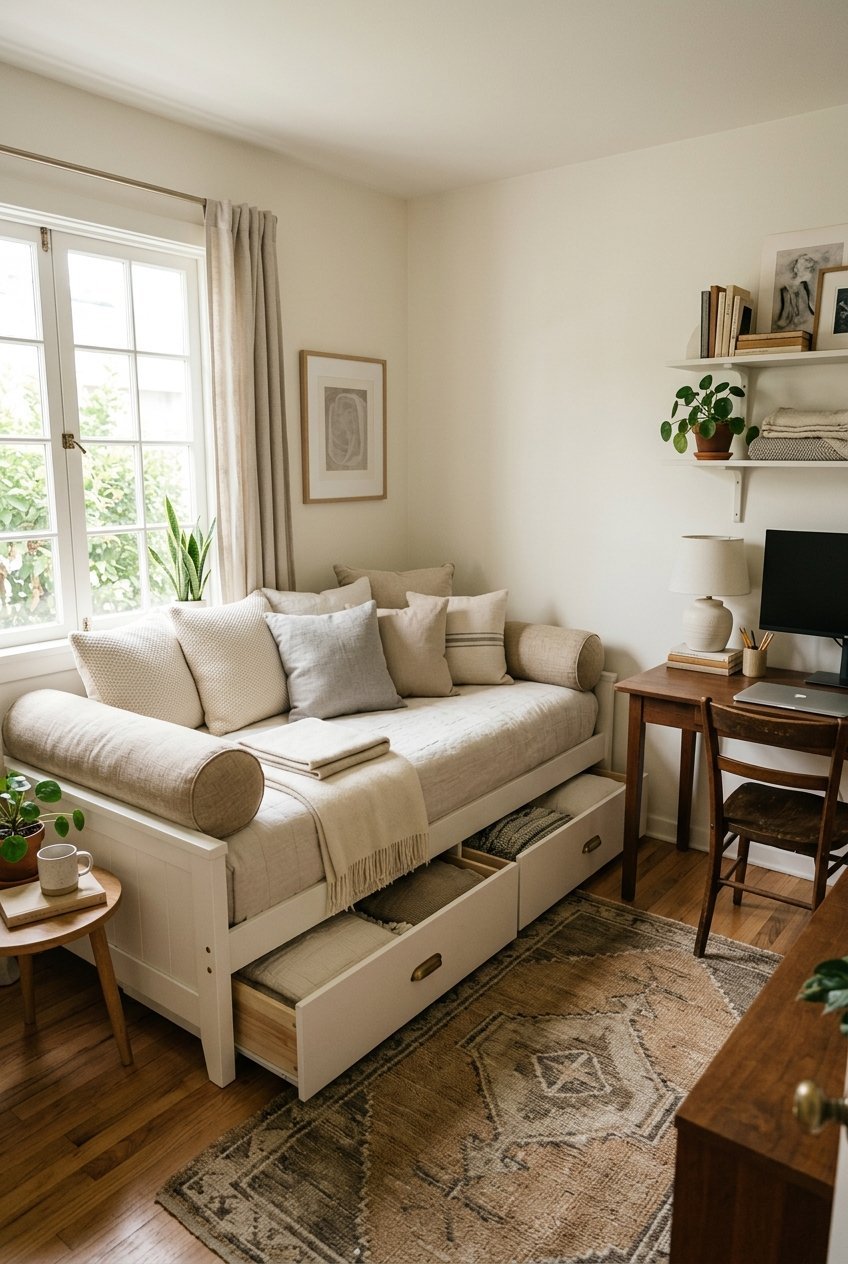
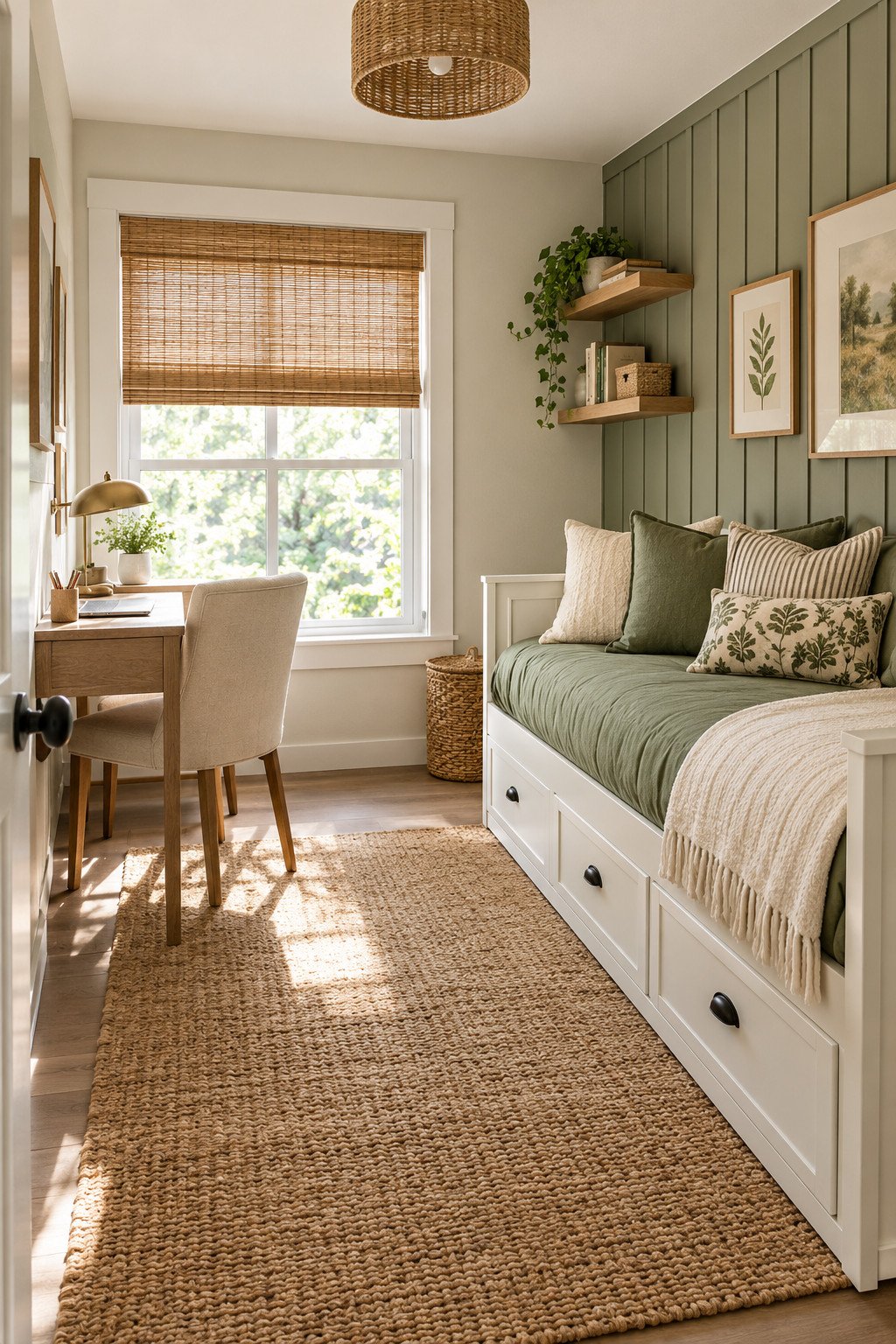
A daybed works as a sofa by day and a bed at night, so it gives the room a place to sit during calls, reading, or breaks. A standard twin daybed is about 39 inches wide and 75 inches long, which fits comfortably along one wall in a small room.
Choose one with storage drawers underneath. They hold spare bedding, towels, and the extra pillows guests need, which saves you from hunting for space elsewhere. A few bolsters along the back make it look like a deliberate seating area instead of a bed in the corner.
3. A Good Sleeper Sofa
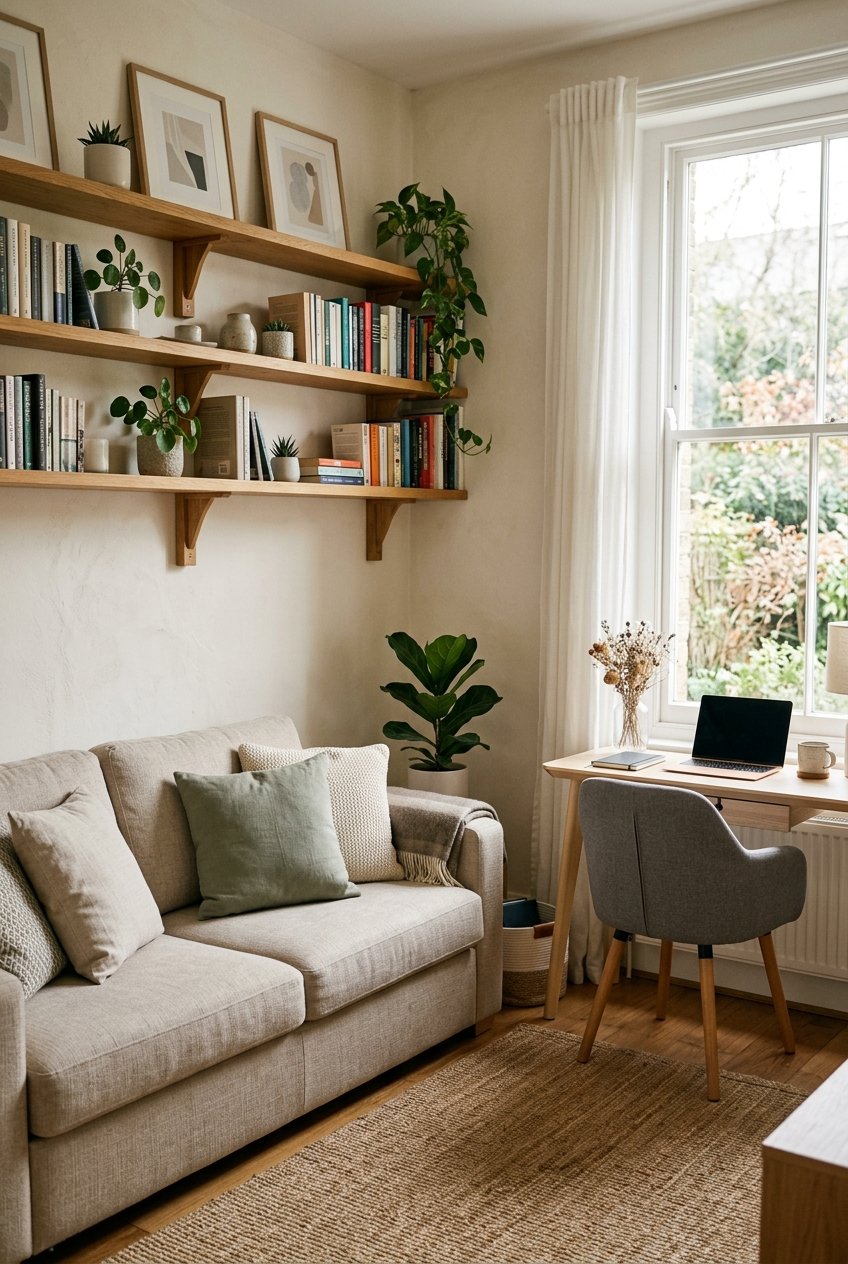
A sleeper sofa is the easiest swap if you already want a proper sofa in the room. Modern versions are far better than the ones that earned the reputation for thin mattresses and metal bars. Look for a memory foam or hybrid mattress and test the mechanism in person if you can.
A sleeper sofa takes up more floor space than a daybed when it is open, so measure the pull-out length against the room before you commit. Keep the desk a few feet away, or on the opposite wall, so you can open the bed without moving the chair.
4. A Fold-Away or Wall-Mounted Desk
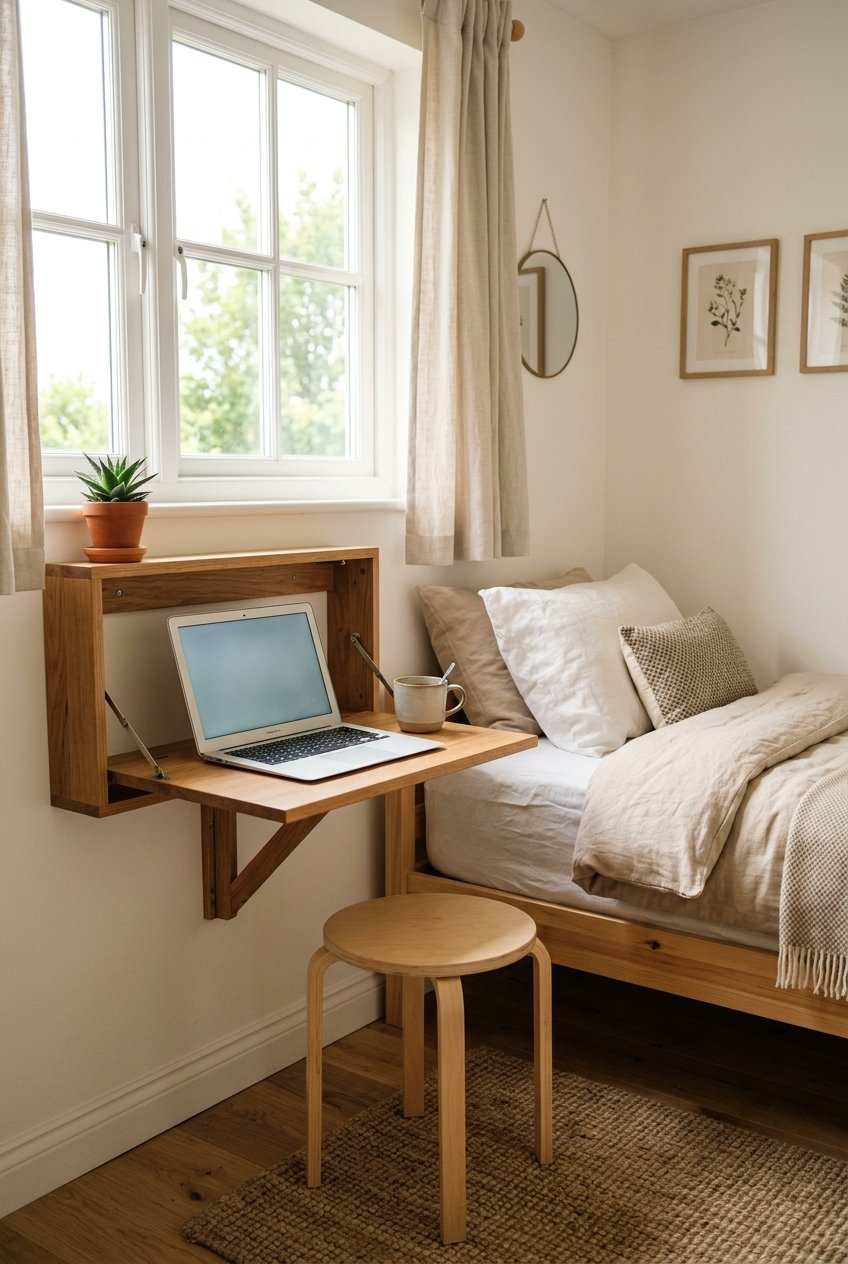
If the room is truly small, the desk is the piece to shrink. A wall-mounted fold-down desk gives you a proper work surface when you need it and folds flat against the wall when you do not. The room reads as a guest room instead of an office the moment it closes.
A desk around 20 to 24 inches deep is enough for a laptop and a notebook. Add a slim stool or a chair that tucks under, and mount a shelf above it for supplies. This setup suits people who work from home a few days a week rather than all day.
5. Zone the Room With a Rug and Layout
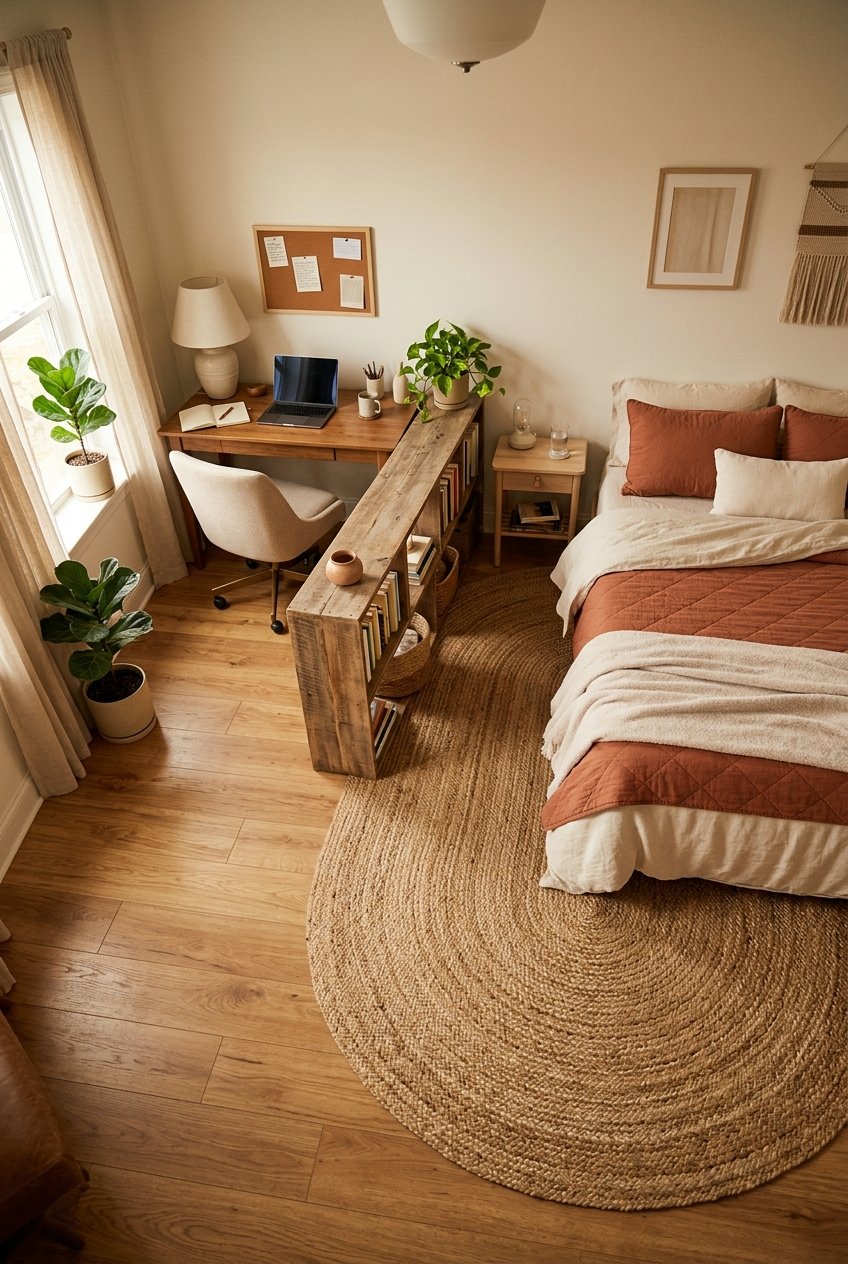
Even a small room feels calmer when each half has its own zone. A rug under the bed or daybed marks the rest area, while the desk sits on bare floor or its own small rug. A low bookshelf can act as a soft divider without blocking light.
Aim to leave roughly 30 inches of clear walking space around the bed so guests are not squeezing past a desk chair. If the room is narrow, put the bed and desk on opposite walls rather than side by side.
6. Built-In Shelves and Closed Storage
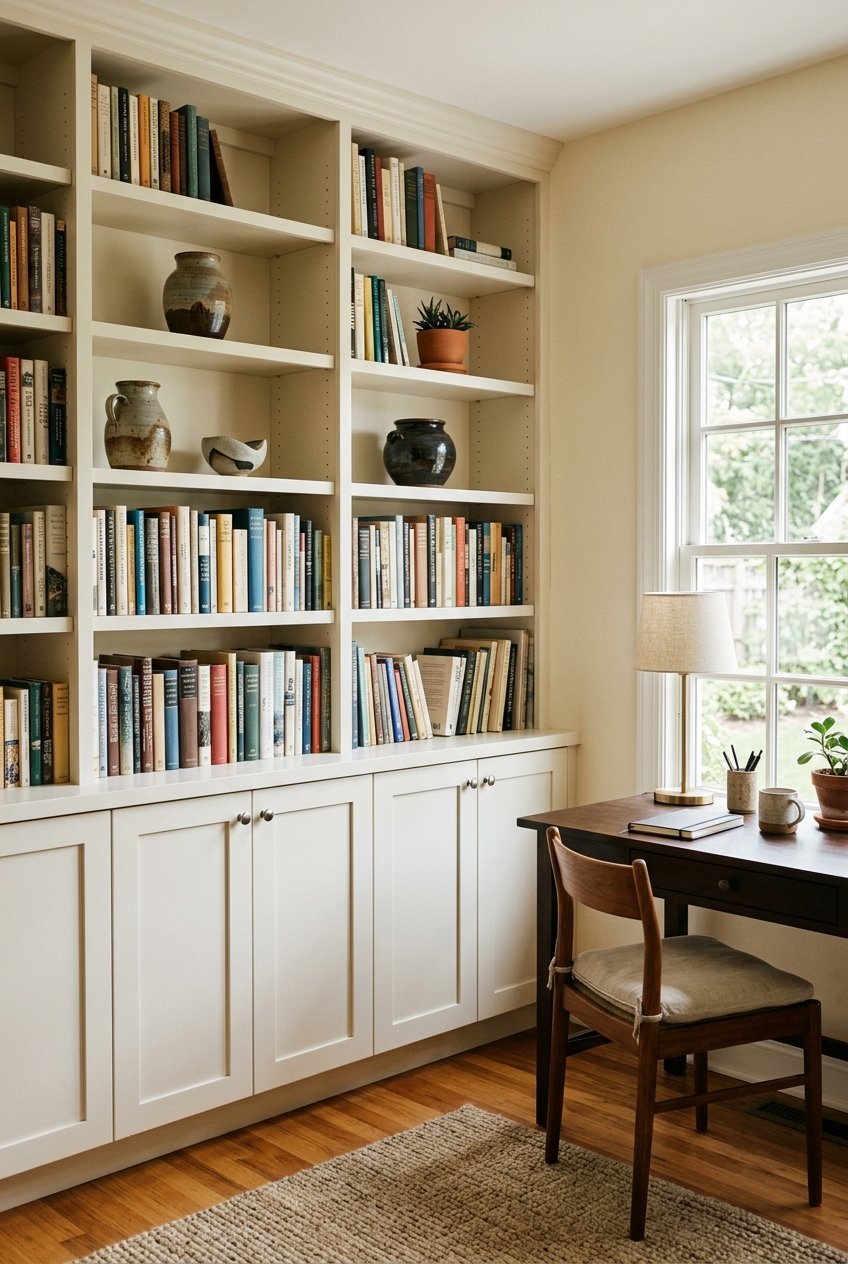
A home office guest room combo needs more storage than most rooms, because it holds work supplies and guest items at once. Built-in shelves with closed cabinet doors below give you both. The open shelves stay neat with books and a few decor pieces, and the closed cabinets hide printers, files, and spare linens.
Going vertical makes the most of a small footprint. Tall shelves free up floor space, and a closed lower section keeps the room from looking cluttered when guests are there.
7. A Calm Color Palette
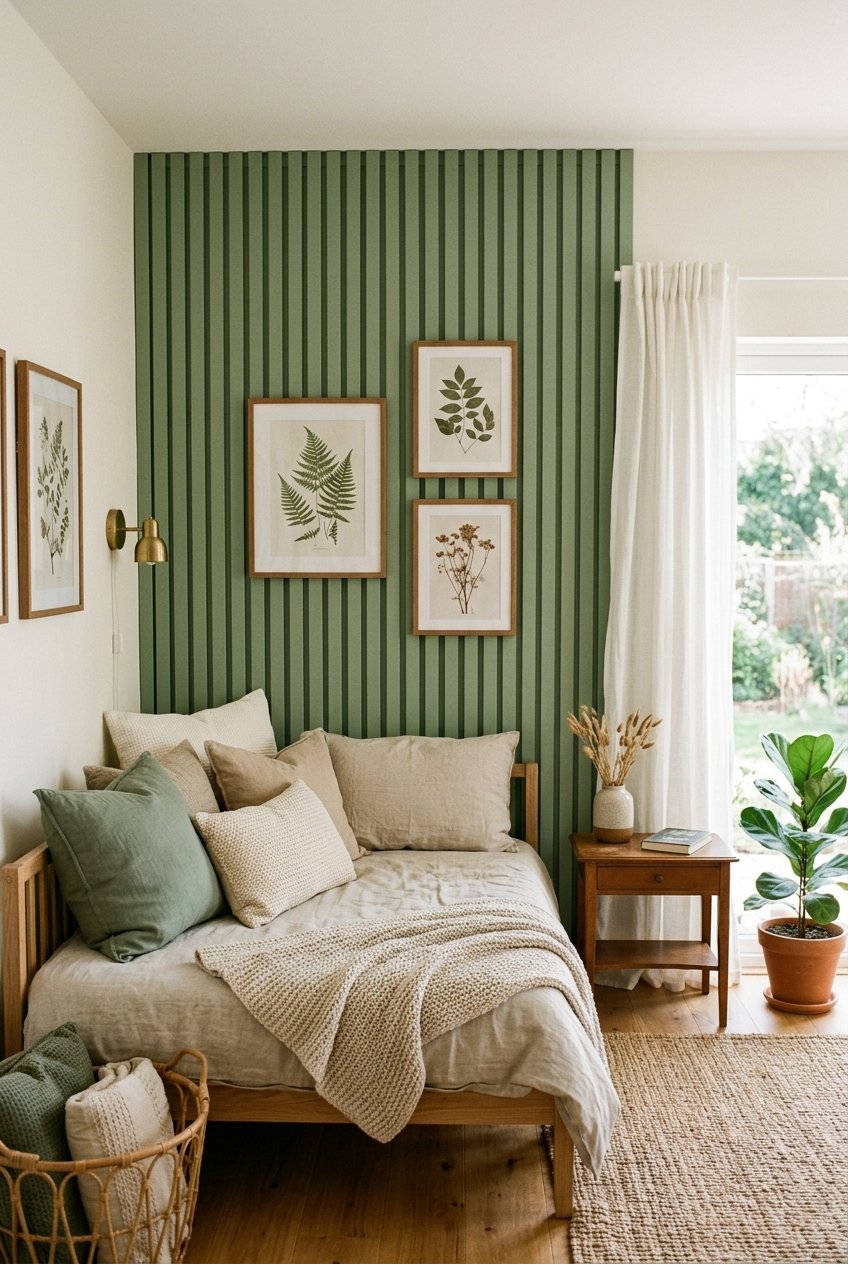
A room that does two jobs looks best with a calm, connected palette. Soft greens, warm whites, and natural wood tones feel restful for guests and easy on the eyes for work. A sage slat accent wall behind the bed adds interest without making the room feel busy.
If you want to try a deeper shade, our guide to moody bedroom colors shows how to use rich tones without making a room feel heavy. Keep the desk area in the same palette so the two halves look like one design.
8. Layered Lighting for Work and Rest
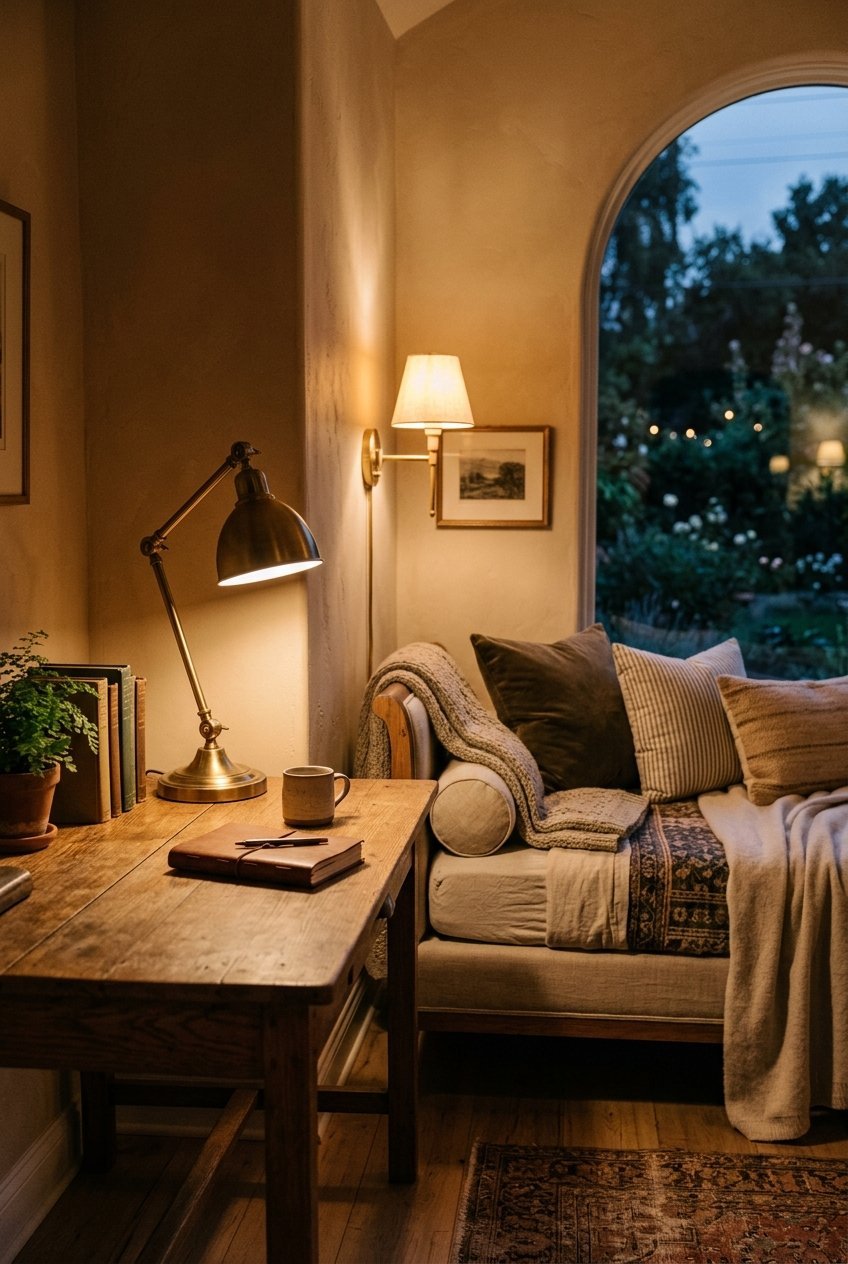
The lighting has to switch between task and comfort. An adjustable desk lamp gives you focused light for work, and a wall sconce or table lamp near the bed creates a soft, warm glow for guests. Put them on separate switches or plugs so you can change the mood in seconds.
Use warm bulbs around 2700K for the bed area and a slightly cooler white for the desk if you need to stay alert. Window light does a lot of the work in the daytime, so place the desk where it gets daylight without glare on the screen.
9. Hide the Work Gear and Make It Guest-Ready
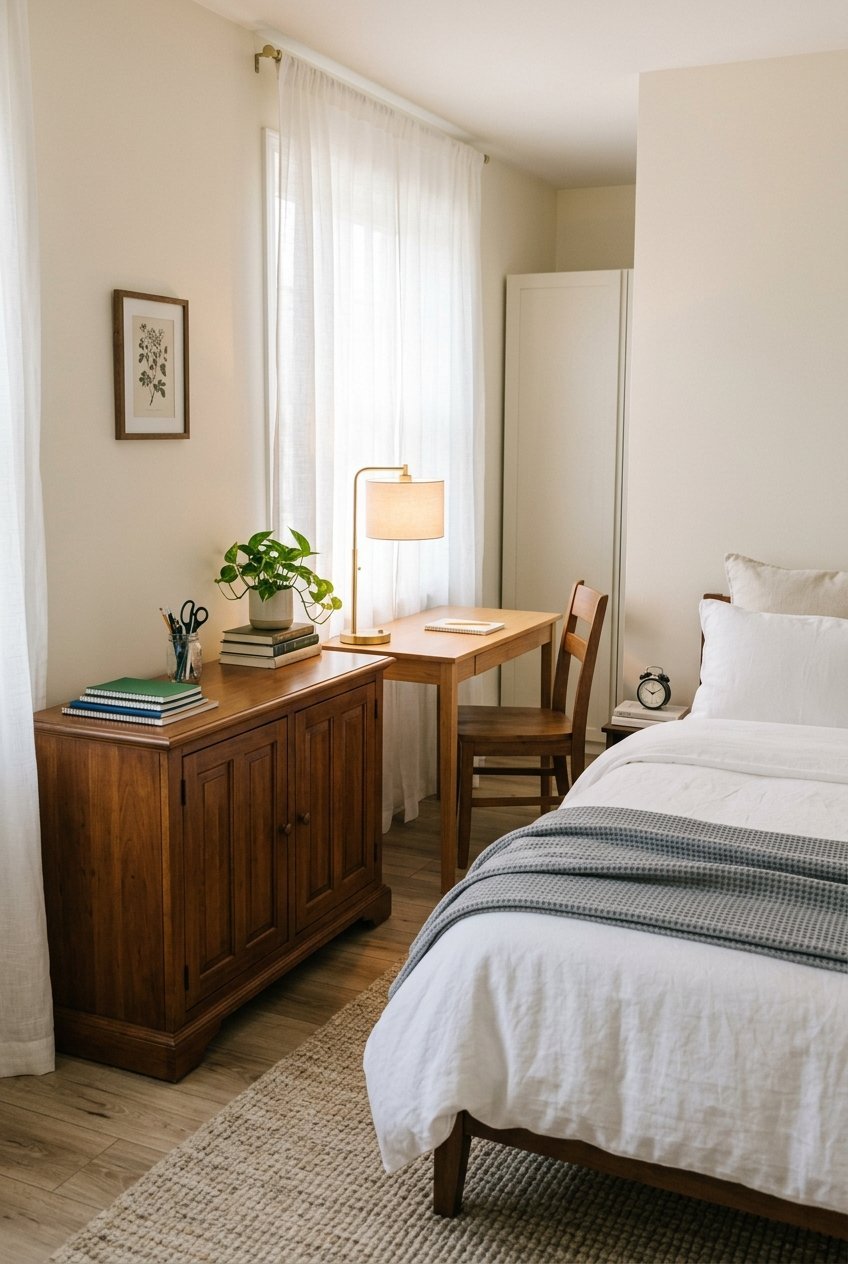
The final touch is what makes the room welcoming. Keep a closed credenza or a lidded storage box for chargers, papers, and supplies, so you can clear the desk in a couple of minutes. Cord management matters too, since tangled cables are the first thing guests notice.
Stock the room with a few guest basics: fresh linens, a spare blanket, an empty drawer or a few hangers, and a small lamp and water carafe by the bed. If you want more ideas for compact living, our post on modern apartment decor ideas for a stylish small space has more space-saving tricks.
Choosing the Right Setup for Your Room
The best home office guest room combo depends on how often you work in the room and how often guests stay. If you work there every day and host only a few times a year, a murphy bed or a fold-away desk keeps the office feeling like a real office. If guests visit often, a daybed or sleeper sofa gives them a more comfortable bed with less setup.
Whichever you choose, keep the layout simple and the storage generous. For more ideas on making every room feel connected, take a look at our guide to house interior design ideas for every room, and for budget-friendly styling tricks, see our post on home decor ideas that make a home look expensive.
For more small-space inspiration, follow along on Pinterest.
Frequently Asked Questions
What is the best bed for a home office guest room combo?
A murphy bed is best if you want the most open floor space, while a daybed with storage drawers is a good middle ground. A sleeper sofa works well if you want a proper sofa in the room and do not mind a bit less floor space when it is open.
How do I fit a desk and a bed in a small room?
Use a fold-away or wall-mounted desk, put the bed and desk on opposite walls, and leave about 30 inches of clear walking space around the bed. A daybed or murphy bed saves even more room.
Is a sleeper sofa comfortable enough for guests?
Modern sleeper sofas with memory foam or hybrid mattresses are much better than older models. Test the mattress and the pull-out mechanism in person if possible, and add a topper for longer stays.
How can I make the room feel like a bedroom and not an office?
Hide supplies in closed storage, keep the desk surface clear, and use soft lighting and layered bedding. A rug under the bed and a calm color palette also help the room feel like a guest space.
What color should a home office guest room be?
Soft greens, warm whites, and natural wood tones feel calm for guests and easy for working. A single accent wall behind the bed adds depth without overwhelming a small room.
How do I keep the office from feeling cluttered when guests visit?
Use a closed credenza or lidded boxes for papers and chargers, tidy the cords, and clear the desk surface before guests arrive. A fold-away desk makes this even faster, since it closes flat against the wall.