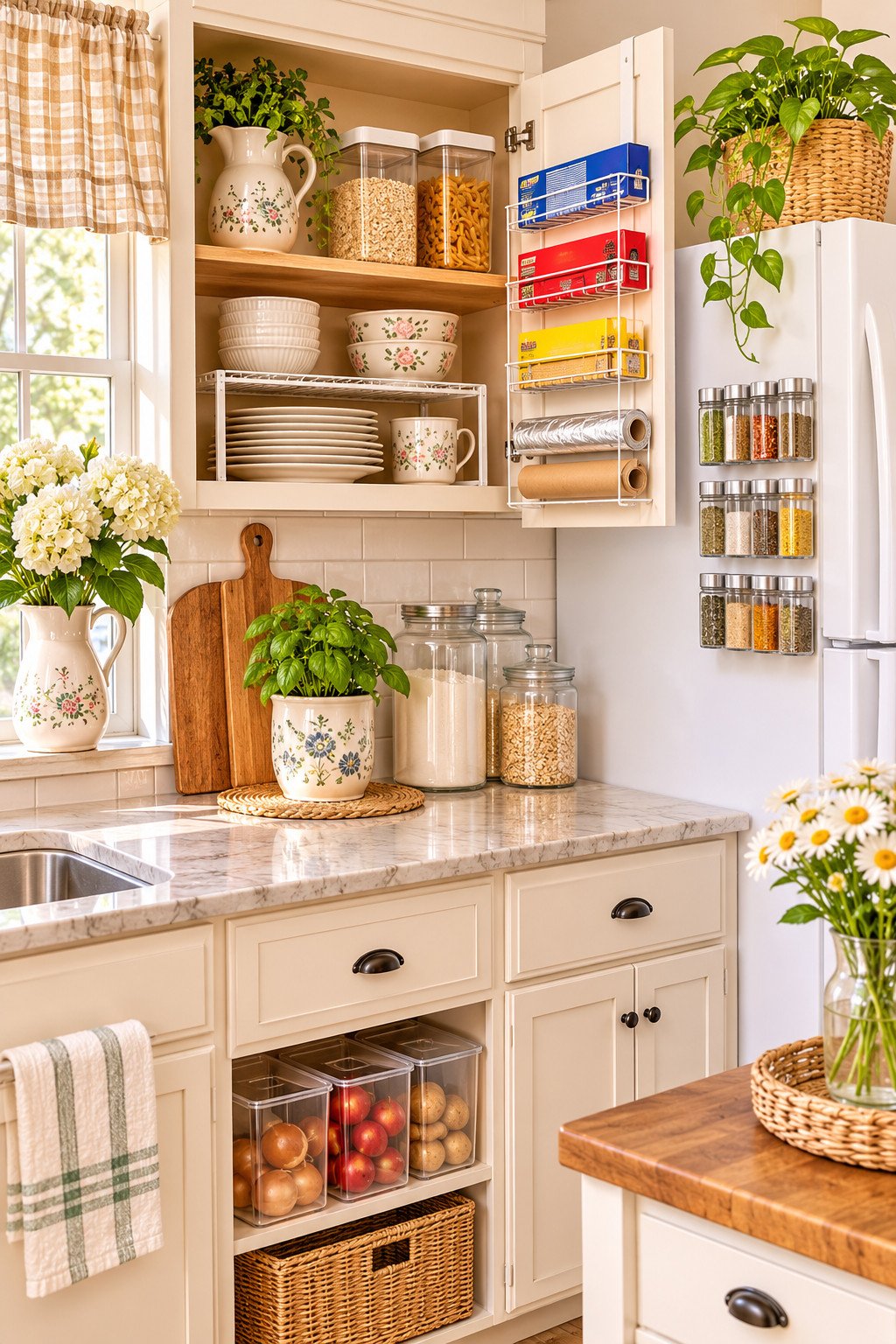
Smart places to use removable wallpaper, from a bedroom accent wall to stair risers, plus what to know before you hang a single roll.
Peel and stick wallpaper ideas are a gift to anyone who cannot paint, does not want to commit, or simply gets bored easily. There is no paste, no mess, and no steamer. You peel the backing, press the sheet to the wall, and smooth it out. When you move or change your mind, it comes off.
The trick is knowing where it works. These thirteen peel and stick wallpaper ideas go beyond the usual accent wall, with notes on what suits each spot and the small mistakes to avoid. You will also find a short guide to prep, hanging, and removal near the end.
Table of Contents
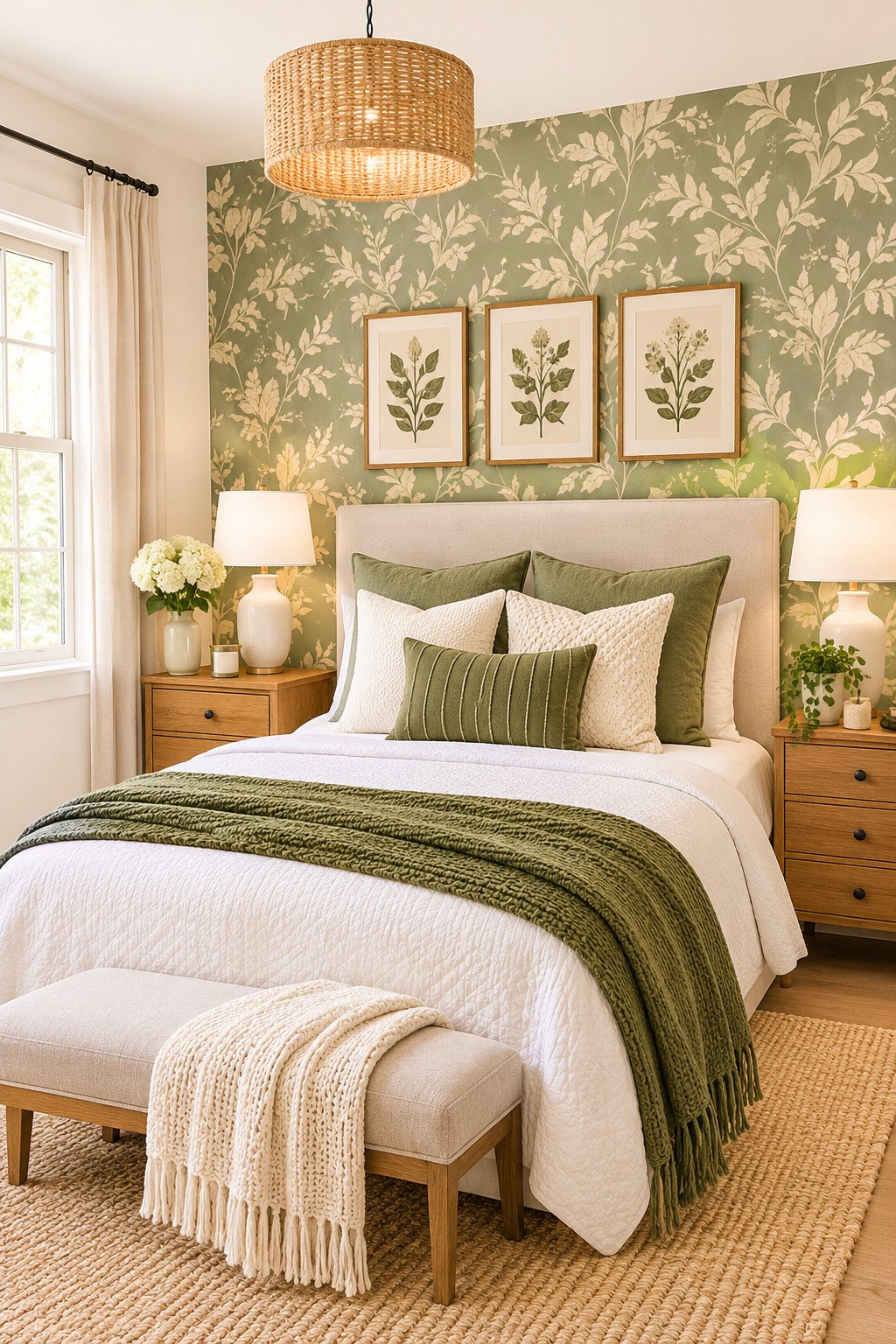
1. A Bedroom Accent Wall, the Easiest of Peel and Stick Wallpaper Ideas

The wall behind the bed is the classic first project. It is a flat, uninterrupted surface with no windows or outlets to cut around, and it works like a headboard that never needs to be bought.
It suits almost any bedroom, especially a rental. Choose a pattern with a soft background, like a small floral or a gentle botanical, so the room stays restful. Leave the other three walls plain, and let the bedding pick up one color from the paper.
2. The Back of a Bookcase

Lining the back panel of a bookcase or built-in shelf is a small job with a big payoff. A plain white bookcase suddenly looks custom, and the books and objects on the shelves stand out against the color.
It suits living rooms, offices, and nurseries. Measure each opening, cut the paper slightly larger, and trim in place with a sharp blade. A deeper shade than the room, like navy or dusty green, gives the most depth.
3. An Entryway Wall
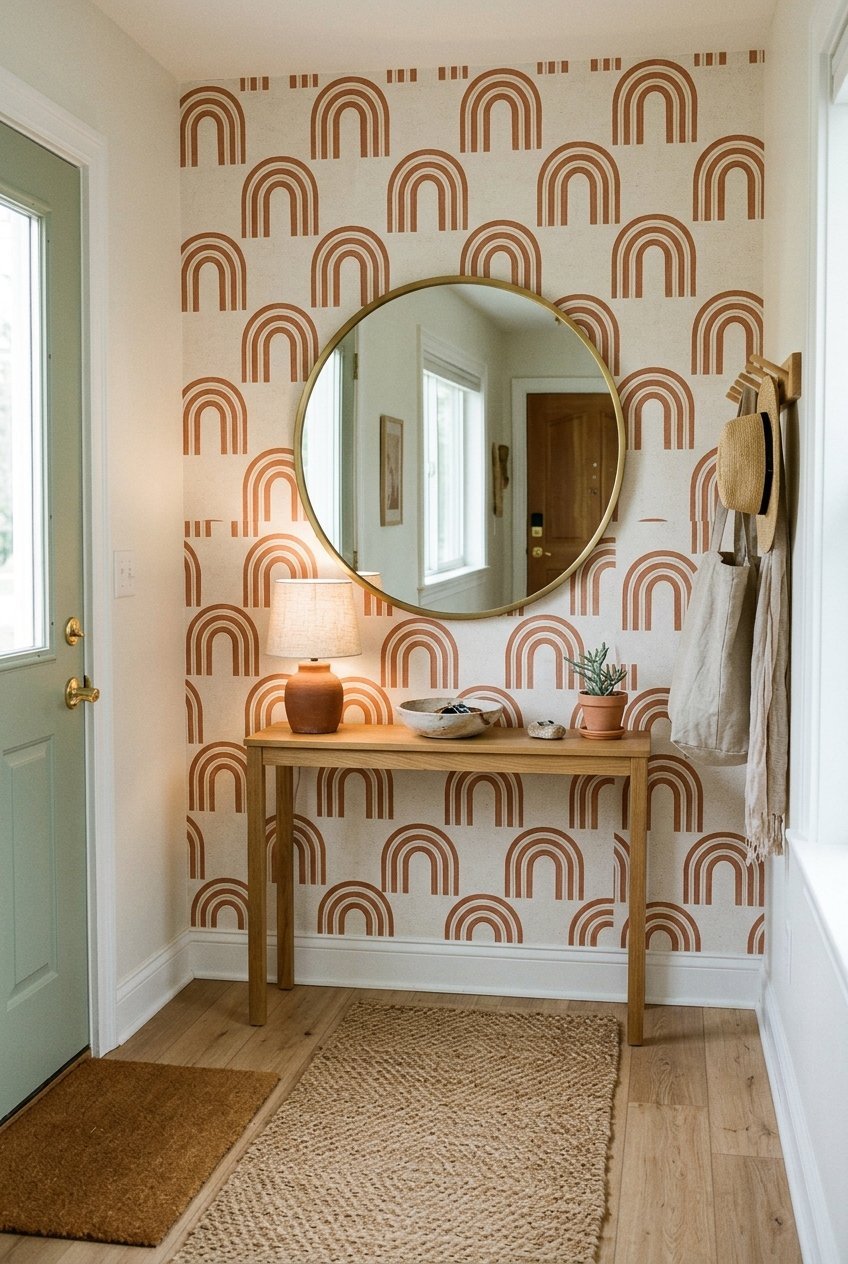
A small entryway is the first thing guests see and the easiest place to be bold. A strong pattern in warm terracotta or deep green sets the tone for the whole home.
It suits narrow halls and foyers, where there is little furniture to compete. Add a slim console, a mirror, and a lamp, and the space looks planned. Since the area is small, one or two rolls often cover it.
4. A Home Office Backdrop

If you work from home, the wall behind your desk is on camera every day. A textured or patterned paper there gives video calls a polished look with no reason to buy a screen backdrop.
It suits a desk in a bedroom, a spare room, or a corner of the living room. Grasscloth-look and linen-look papers read as calm and professional. For more on woven and plaster finishes, see our guide to textured wallpaper ideas.
5. A Dining Room Above a Chair Rail

Putting wallpaper only on the upper half of the wall, above a chair rail or wainscoting, gives a dining room a classic, finished look. The lower painted section takes the scuffs from chairs, and the paper stays clear of the bumps.
It suits traditional and transitional dining rooms. Chinoiserie, stripes, and soft florals look especially good here. If there is no chair rail, you can add a thin wood strip as a clean edge for the paper.
6. A Powder Room Away From Splashes
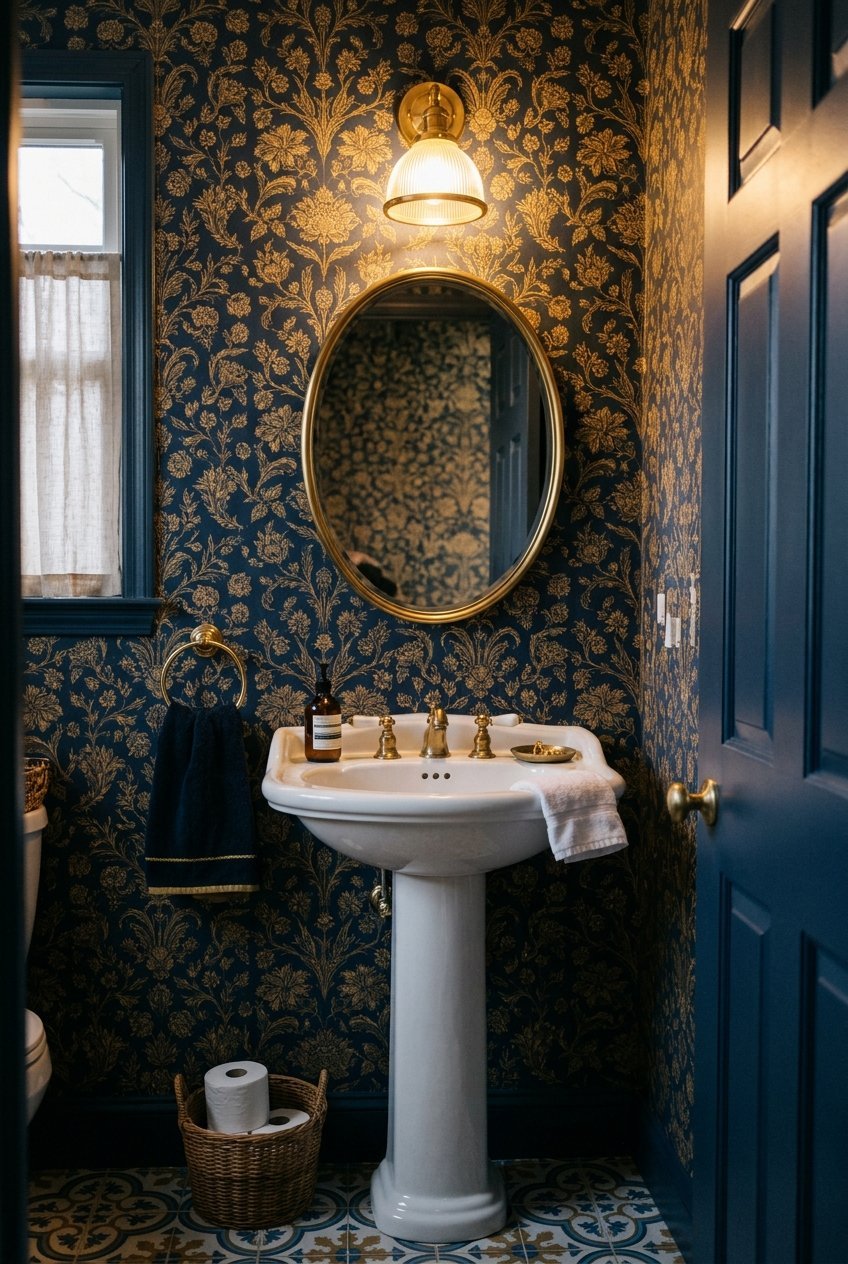
A powder room is small and rarely used for long, which makes it the perfect place for a dramatic pattern. A dark floral or a bold print turns a plain half bath into a jewel box, especially under warm light.
Keep the paper off any wall that gets direct splashes, and seal the edges near the sink with a thin line of clear silicone. Make sure the room has an exhaust fan. For more ideas, read our guide to small bathroom wallpaper ideas.
7. Inside a Closet or Pantry

Nobody sees the inside of a closet except you, which makes it a fun place to experiment. A soft pattern on the back wall makes getting dressed feel nicer, and a bright color can make a dark closet feel lighter.
It suits walk-in closets, reach-in closets, and pantries. Use the paper only on the back wall or one side, and keep the shelves simple. It is also a low-risk way to try a bold pattern before using it somewhere visible.
8. Stair Risers
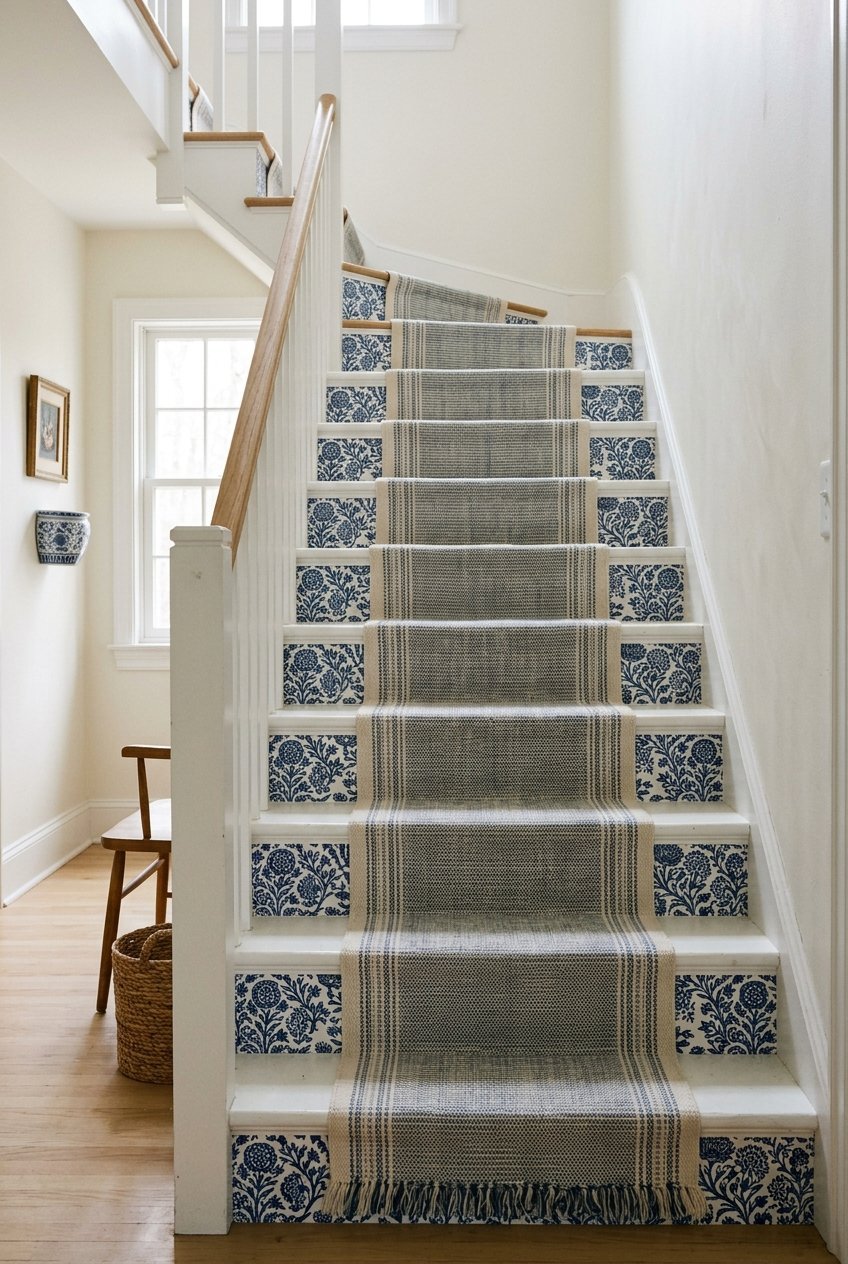
The vertical part of each step, called the riser, is a narrow strip that looks great with a pattern. Wallpapered risers make a staircase feel like a feature instead of a way to get upstairs.
Apply it to risers only, never to the treads, since feet would wear it out and it could become slippery. Cut each strip to fit and smooth it firmly. Painted treads in white or a soft neutral keep the look crisp.
9. A Dresser or Furniture Makeover
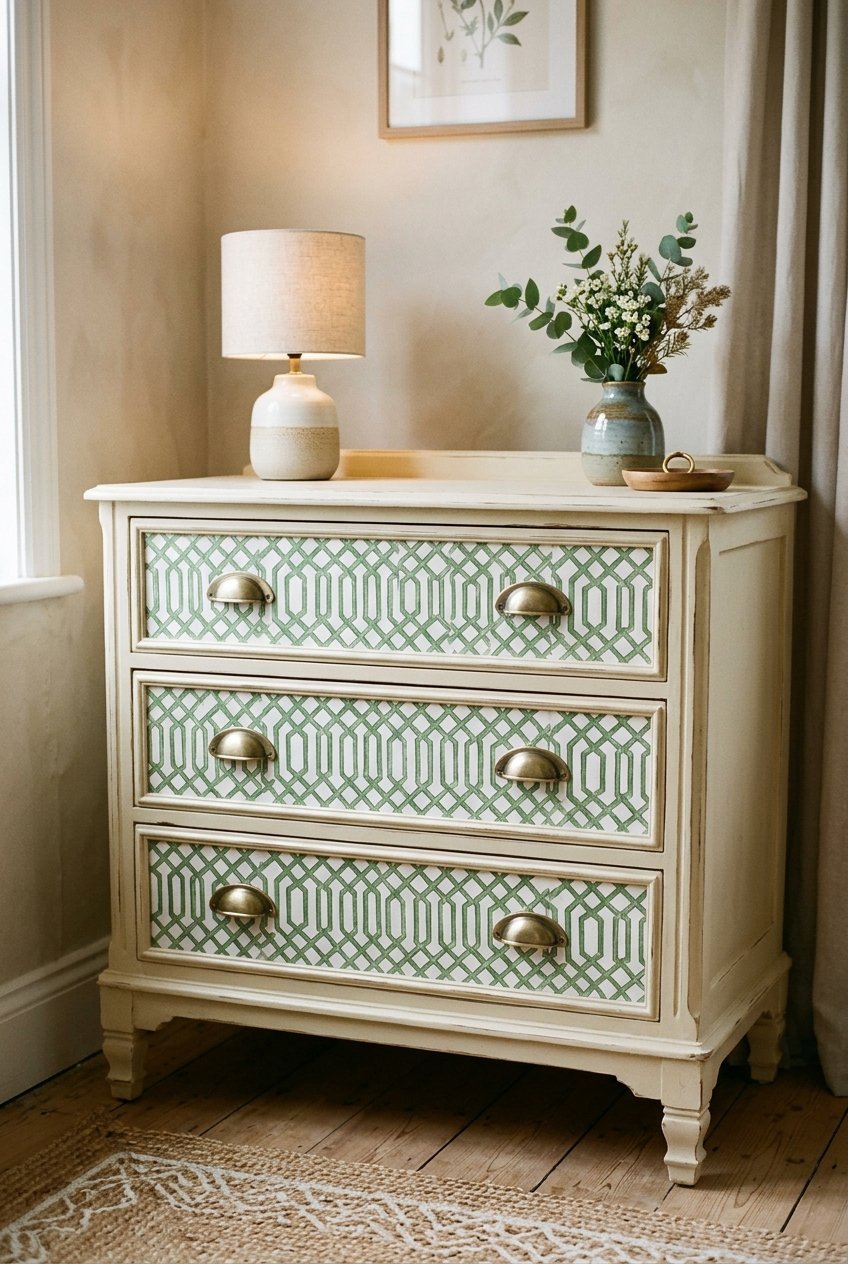
Peel and stick wallpaper is not only for walls. Covering the drawer fronts of a plain dresser, the back of a cabinet, or the top of a side table gives old furniture a second life for the price of one roll.
Clean and lightly sand the surface first, and use a smooth, flat piece of furniture. Round off the corners and wrap the edges when you can. New brass pulls finish the makeover. This is one of the most fun peel and stick wallpaper ideas for a budget project.
10. An Interior Door Makeover

A plain hollow-core door can look boring. Covering the recessed panels with a bold pattern, and painting the frame a crisp color, gives it a custom look. Or cover the whole door for a graphic effect.
It suits closet doors, bedroom doors, and a pantry door. Measure each panel carefully and take off the hardware before you start. Smooth out any air bubbles with a squeegee as you go.
11. A Nursery or Kid’s Room

Kids outgrow themes quickly, so removable paper is ideal. A soft cloud, star, or animal print behind a crib makes a nursery feel finished, and it can come down when your child wants something new.
Choose a low-odor paper with a calm pattern, and let it air out as the maker suggests before the room is used. Keep the colors soft and the furniture simple, so it can grow with the room.
12. A Laundry Room or Mudroom

A laundry room is a workhorse space that rarely gets decorated. A cheerful small print on the walls makes folding laundry feel less like a chore, and a mudroom gets a lift from a hardy pattern.
Look for a vinyl paper that wipes clean, and keep it away from direct water spray and heat from the dryer vent. A pattern also hides small scuffs, which helps in a busy room. If you want other ways to freshen a small space, take a look at our guide to modern apartment decor ideas.
13. A Ceiling Accent
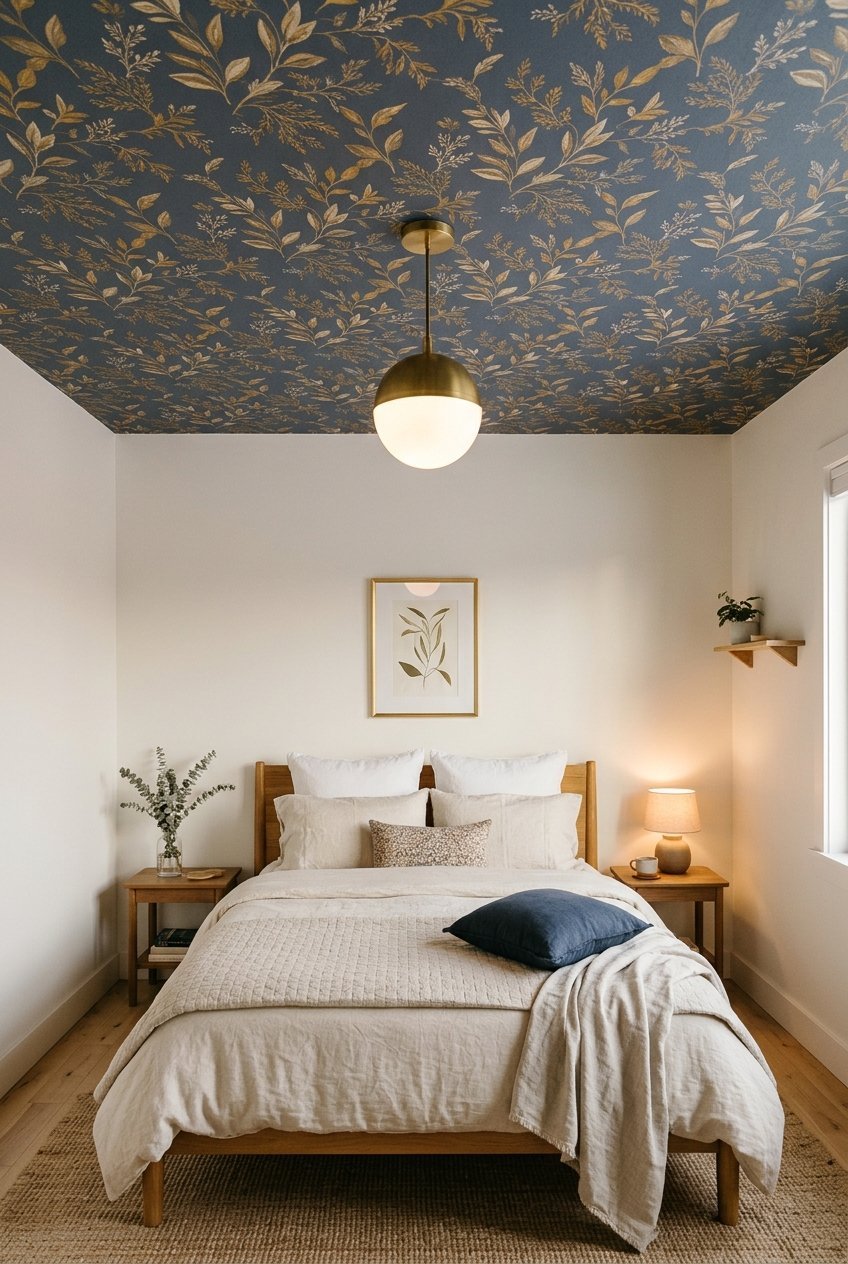
The ceiling is the fifth wall, and it is almost always plain. A soft leafy, celestial, or geometric pattern overhead adds a surprise without crowding the walls, and it draws the eye up.
It is the hardest project on this list, since you are working overhead. Ask a friend to help, work in short strips, and use a product made for ceilings. Gravity is not on your side, so a very lightweight, high-quality paper and a smooth surface make a real difference.
Before You Hang: Prep, Fit, and Removal
Peel and stick wallpaper works best on smooth, clean, painted walls. Wipe off dust and grease, and fill holes. If the wall was painted recently, wait about four weeks for the paint to cure fully, or follow the maker’s advice. Textured, rough, or flat matte walls hold the paper poorly, so test a small piece in a hidden spot first.
Measure the wall height and width and add a few inches for trimming. Order about 10 to 15 percent extra if the pattern needs to match, and keep a spare panel for repairs. Start at the top with a level line, and smooth the paper downward with a squeegee, working out bubbles as you go. A utility knife with a fresh blade makes clean cuts around outlets and trim.
To remove it, peel slowly at a low angle, and warm the paper with a hair dryer if it resists. Low-quality or very flat paint can lift with the paper, so a test patch is smart if you rent. Always check your lease and the manufacturer’s instructions.
If you want to apply the same idea to your kitchen, our guide to kitchen backsplash ideas covers peel-and-stick tile and other easy upgrades, and our post on camper renovation ideas shows how removable finishes work in a small vehicle. For more budget-friendly styling tricks around the house, see home decor ideas that make a home look expensive.
For more wallpaper and home inspiration, follow along on Pinterest.
Frequently Asked Questions
Does peel and stick wallpaper damage walls?
On smooth, well-painted walls it usually comes off cleanly. Cheap or flat paint can lift when you peel it, so test a small hidden area first and remove the paper slowly at a low angle.
Can you use peel and stick wallpaper on textured walls?
It tends to stick poorly on rough or heavily textured walls, because it only touches the high points. Light texture may work, but a smooth surface gives the best result. Test a sample before you buy a whole roll.
How long does peel and stick wallpaper last?
It depends on the brand, the wall, and the humidity. Many last for a few years when applied to clean, smooth paint. Heat, moisture, and rough surfaces can shorten that, so choose a good-quality product.
Can I use peel and stick wallpaper in a bathroom or kitchen?
You can, as long as you keep it away from direct water and heat, such as inside a shower or behind a stove. Choose a vinyl paper rated for humid rooms and seal the edges near a sink with silicone.
How do I remove peel and stick wallpaper?
Start at a corner and pull slowly, keeping the paper close to the wall at a low angle. A hair dryer on low heat helps loosen stubborn spots. Wipe off any leftover residue with a soft cloth and mild soap.
How much extra wallpaper should I order?
Order roughly 10 to 15 percent more than your measurements, and more if the pattern is large and needs to line up. The extra covers mistakes, tricky cuts, and future repairs.